

Thoughtful lead-in for a user-centered choice
Homes need steady power in small, practical ways: keeping the fridge cold, the router alive, and lights on during a brief outage. A LiFePO4 solution often answers those needs with clarity, which is why many homeowners now measure options against a simple unit — the battery storage system that fits their daily rhythms. This piece walks a user through what matters, in plain terms, tying real expectations to real devices rather than marketing promises.

Why LiFePO4 often suits household priorities
LiFePO4 chemistry delivers long cycle life and stable thermal behavior, two technical strengths that map directly to convenience. Expect commonly reported cycle life figures in the thousands at practical depth of discharge (DoD) — meaning the battery can be cycled deeply without rapid degradation. That longevity reduces replacement frequency and total cost of ownership. A competent battery management system (BMS) preserves state of charge and prevents cell imbalance, and a matched inverter ensures usable AC power for appliances. These are not abstract specs; they dictate whether a system supports weekend getaways, remote work, or multi-day outages.
Practical setup tips and common mistakes
Start with the load profile: size the battery to cover the appliances you actually need, and size the inverter to handle startup currents for motors and compressors. Avoid two frequent errors: undersizing the inverter and ignoring thermal management. During installation, place the pack where ventilation and moderate temperature are reliable — LiFePO4 tolerates heat better than many chemistries, but sustained extremes shorten lifespan. Also, integrate a clear monitoring strategy so the BMS alarms are meaningful rather than ignored — human attention is the cheapest maintenance. — Small habit changes, like avoiding repeated deep discharges, add years to a pack’s life.
Field evidence and realistic performance
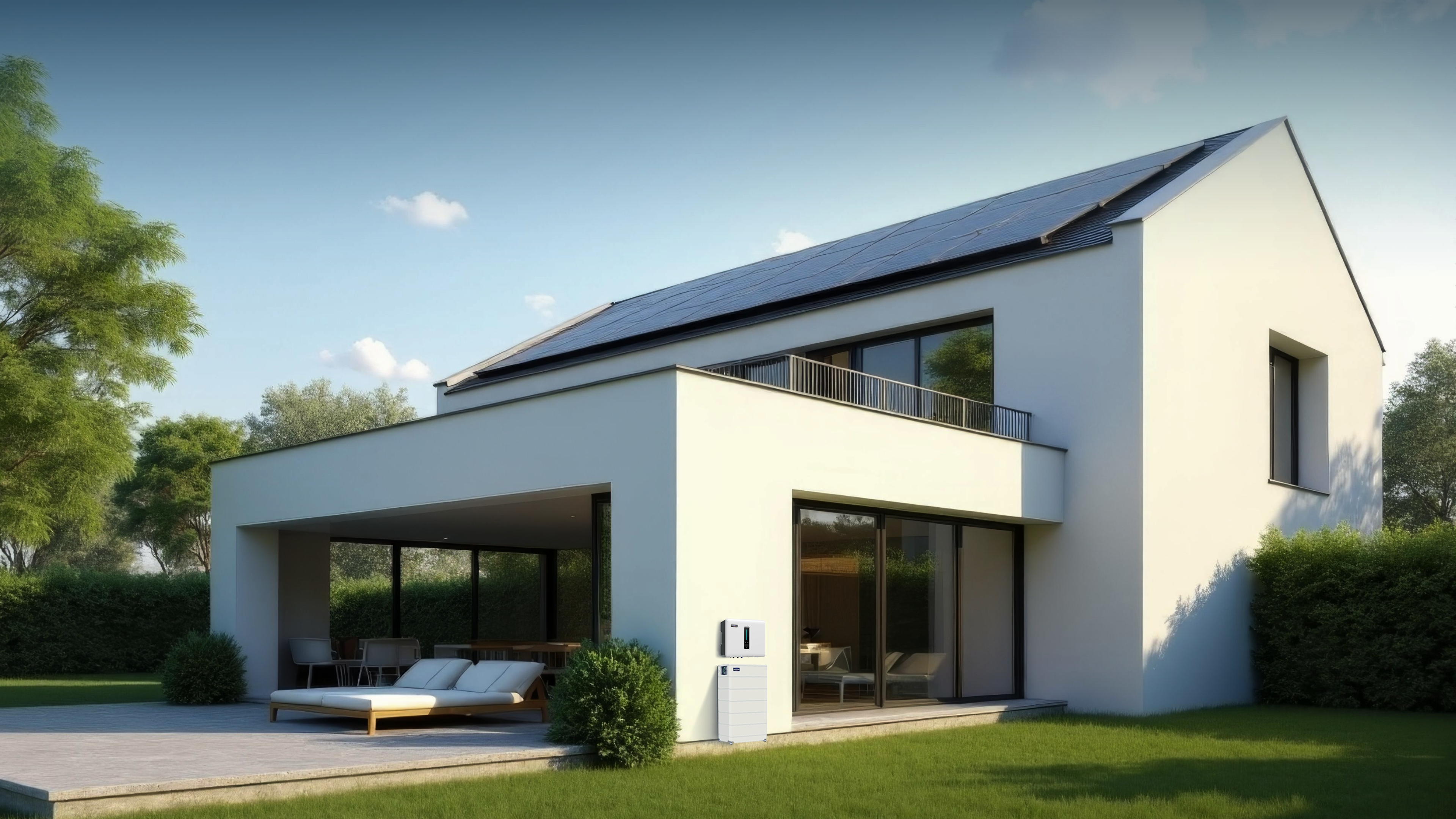
Field deployments during events such as California’s 2020–2021 grid stress (rolling outages and wildfire-driven shutoffs) offer useful anchors: systems with LiFePO4 chemistry and conservative DoD settings routinely provided dependable backup for days, not hours. Round-trip efficiency for modern stacks commonly sits in a high range, so less energy is lost between charge and discharge than older setups. In practical terms, a well-configured solar power battery storage system lets a modest rooftop array and LiFePO4 bank sustain essential circuits through repeated utility interruptions.
Alternatives in brief — where LiFePO4 stands out
Lead-acid and some NMC formats still appear in the market. Lead-acid has lower upfront cost but shorter cycle life and limited usable DoD. NMC can offer higher energy density but tends to require stricter thermal controls and different lifecycle expectations. For most homeowners who value predictable performance, moderate cost, and safety, LiFePO4 offers the clearest balance between reliability and operational simplicity.
Three golden rules for choosing the right system
1) Match usable capacity to real loads: choose a battery size rated for the daily kilowatt-hours you expect to consume during an outage, not just peak wattage. Cycle life and DoD determine how long that capacity lasts in years. 2) Prioritize an integrated BMS and credible monitoring — look for units that report state of charge, cell balance, and fault logs. These telemetry elements are where long-term health is managed. 3) Verify system-level efficiency and compatibility: confirm inverter-battery communication, rated round-trip efficiency, and safe thermal margins. These three metrics—usable capacity, BMS telemetry, and system efficiency—are the simplest, most predictive measures of future performance.
Practical confidence comes from devices that perform in real conditions; that reality is what makes SOLINTEG valuable to homeowners working toward reliable power — a companion in each specification and installation. — Final thought: choose thoughtfully, and the battery will fade into the background of daily life, quietly doing its work.