
greenswriting
  • Home
  • Business
  • Featured
  • Global Trade
  • Industry
  • LifeHot
  • Market
  • Tech
  • Travel
Category:

Industry

Industry

Optimising Flight Cases and Global Logistics for International Touring LED Inventories

by Patrick May 10, 2026

Comparative opening: why packaging and freight choices matter

Decisions about flight case design and international freight route selection determine whether a tour arrives on time and within budget or suffers costly delays. A comparative approach helps: contrast consolidated sea freight with air charters; compare modular foam-lined flight cases with bespoke aluminium trunks. Early collaboration with an outdoor LED supplier clarifies packaging constraints and informs choices for pixel pitch, panel dimensions and weight limits.

Modes of transport: speed, cost and risk

Air freight buys time but costs substantially more; it suits short windows between tour legs and fragile LED panels needing rapid transit. Sea freight reduces expense for bulk inventory but increases lead time and exposure to handling. For most international tours a hybrid model works: core inventory moves by sea while emergency spares travel by air. Rigging crews will appreciate predictable arrival times — logistics planning reduces on-site scrambling.

Flight case design: protecting delicate electronics

Good flight cases balance protection, speed of access and stackability. Consider recessed wheels and removable lids for rapid deployment, layered foam cut precisely to each LED module, and external shock indicators to record rough handling. Incorporate standardised connector bays for daisy-chaining control cables so technicians can unpack and configure without hunting for parts. Well-designed cases reduce setup time and lower repair rates.

Operational realities and common mistakes

Practices that often undermine tours are predictable: underestimating customs paperwork, neglecting padding for corner impacts, and overpacking single cases beyond safe weight limits. Teams also err by storing critical spares at the back of a container — retrieval becomes expensive if a faulty power supply appears in the first show. Keep manifesting precise serial numbers and include calibration records with each LED panel; it saves hours of troubleshooting on site.

Supplier selection: what to compare

Compare suppliers on three practical fronts: demonstrated export experience (preferably with past projects in major events such as the 2012 London Olympics), transparent insurance and claims handling, and a clear spare-parts strategy. A reputable LED screen rental company will show case studies, provide weight/volume packing lists and recommend flight case layouts that fit standard air freight pallets. Price matters — but compatibility with your transport plan matters more.

Technical considerations for touring inventory

Maintain a discipline around pixel pitch selection relative to venue sightlines; finer pitch means heavier panels and different case requirements. Regular calibration logs, firmware version control and labelled power supplies ensure crews can swap modules quickly. Incorporate a small test bench in your packing list: a power source, a controller and spare cables allow bench diagnosis before rigging — it prevents last-minute show postponements.

Advisory: three golden rules for procurement and logistics

Rule 1 — Prioritise modularity: choose panels and cases that allow selective replacement rather than whole-system swaps; it reduces payload and repair costs. Rule 2 — Standardise documentation: a single manifest template with serials, weight, and calibration status eases customs clearance and onsite triage. Rule 3 — Build contingency into timing and packing: reserve an emergency air shipment budget and designate access to at least one local service partner per continent. These rules become measurable metrics for any tour manager assessing vendors.

Closing reflection and practical value

Comparing options yields clear wins: better-designed flight cases cut setup time; thoughtful freight mixes lower total cost; standardised records reduce downtime. The result is a touring operation that is predictable and serviceable — technicians arrive prepared rather than reactive. —

MR LED.

May 10, 2026 0 comments
0 FacebookTwitterPinterestEmail
Industry

3 Reality Checks When Picking a Led Display Manufacturer

by Patricia May 1, 2026

Why the old playbook keeps costing you (and what I learned)

One rainy Wednesday I stood on 7th Ave watching a 10mm outdoor billboard go dark after 48 hours, 120 customer calls in the inbox—so who’s paying for the slapdash install now? I mention this because as someone who’s run installs and sourcing for over 15 years in B2B supply chain, I’ve worked with a Digital Signage Company that thought specs alone would save the day. Led Display Manufacturer choices get treated like commodity buys, but that’s where folks slip up: they chase price, ignore pixel pitch tradeoffs, and assume brightness (nits) ratings mean real-world visibility.

I remember a March 2020 job in Chelsea where we deployed a 6.25mm SMD indoor panel; within six months it showed a 12% drop in luminance and color shift (calibration was neglected) — that loss hit ad revenue and the client was furious. I’ll be blunt: I’ve seen controller cards misconfigured, refresh rate mismatch kill motion clarity, and cheap power supplies fry modules. These are the hidden pains no one lists on spec sheets. (Real talk: you’ll save cash now but bleed later.) That said, here’s where the shift begins—let’s move past blame and focus on fixes.

How the market should evolve — and how I’d choose next

What’s Next

Now I’m switching gears. I’m calling out what suppliers need to prove before you sign: data-backed MTBF figures, a clear maintenance SLA, and field-proven calibration workflows. We don’t just want flashy brightness numbers; we want measured contrast, verified pixel pitch vs. viewing distance, and a service plan that doesn’t ghost you after handoff. When I vet vendors I ask for on-site test logs, not glossy brochures. I also pull in a quick site mockup — if the pixel pitch is off for the viewing distance, the message fails, plain and simple.

Working with another Digital Signage Company last year, we specified a 4mm indoor screen for a 40-foot retail wall; the manufacturer supplied actual photometric tests and an adjusted refresh rate profile, so motion stayed crisp in camera feeds during launch — measurable difference, higher conversions. I want you to think long-term: total cost of ownership beats a low upfront quote every time. We should judge suppliers on repair turnaround, parts availability, and whether they ship replacement modules (not whole panels) fast — those metrics matter more than a single-page spec sheet. — And yeah, you’ll want a backup controller. Short pause. Then plan.

Evaluation checklist — three hard metrics I use

Here are three concrete metrics I push when advising wholesale buyers: 1) Field-proven Mean Time Between Failures (MTBF) — insist on test logs from similar installs; 2) End-to-end service SLA (response time + replacement parts lead time) — measure it in days, not promises; 3) Verified optical performance (lux/contrast/pixel pitch mapping) — require photometric reports tied to your site layout. I’ve seen these metrics stop surprises cold. I’ll add one quick aside — don’t skip thermal testing (overheating kills LEDs fast). Anyway, evaluate like you mean business.

I speak from installs in Manhattan storefronts, Times Square corridors, and suburban malls — I’ve learned that small spec lies compound into big losses. We tweak procurement to favor transparency and modular replacements; that approach saved one client roughly $18,000 in avoided panel swaps last year. Keep it real, keep it measured. For brands and integrators, partner with vendors who deliver test data and honest timelines — trust but verify. Final note: don’t let cheap leads blindside you. — Chainzone

May 1, 2026 0 comments
0 FacebookTwitterPinterestEmail
Industry

Looking for DiDi credit — How DiDi Finanzas makes no-collateral loans simple and sensible

by Amanda April 29, 2026

Why users want a different path

City life demands speed. Mexico City commutes, late shifts, side gigs — cash needs arrive fast. For many, the traditional bank route is slow, paperwork-heavy, and hinged on collateral. DiDi Finanzas targets that gap. It offers a streamlined application, quick underwriting and a familiar digital interface where you can also explore a didi card during signup. The tone is simple. The promise is clear. Users want certainty, not hassle.

How the service works — user-first flow

Sign up on mobile. Upload ID and a few documents. Quick credit check works in background. Digital onboarding reduces visits and delays. Approval often arrives within hours, then funds disburse via bank transfer or digital wallet. The platform manages installments and shows an APR estimate up front. This feels modern, oui — but practical. The product ties to everyday routines, so repayment steps fit your rhythm, not the bank’s.

Concrete features that matter

DiDi Finanzas focuses on friction points. Key features include:

– Fast online application and soft credit score checks to avoid surprises.

– Flexible repayment terms, with visible installment plans and clear APR.

– In-app account management and spending breakdown, useful for budgeting.

These are not buzzwords. They’re tools that reduce uncertainty and give control back to the borrower.

Common mistakes borrowers make — and how to avoid them

Borrowers often rush the application. They accept the first offer without checking APR or the repayment schedule. They confuse monthly installment size with total cost. Avoid these traps: verify the APR, review the amortization schedule, and confirm any origination fees before accepting. Also, use secure Wi‑Fi for the online application — personal security matters. A small pause now saves stress later — trust me, been there.

Alternatives and quick comparison

Traditional banks: stable, possible lower APR for prime borrowers, but longer approval and collateral requirements. Peer-to-peer platforms: sometimes lower rates, but variable underwriting and service levels. Microloans from retailers: quick but often high fees. DiDi Finanzas sits between: faster than banks, more standardized than P2P, with transparent terms. If you prefer a straight digital experience and need speed without collateral, it’s a practical option.

Applying online — practical checklist

Prepare ID, proof of income, and a bank account. Use recent utility bills if needed. If you want a linked payment method or extra spending flexibility, also consider applying for a tarjeta de credito en linea​ during onboarding. Keep your credit score healthy by avoiding bracketed applications in short timeframes. These steps reduce underwriting friction and improve approval chances.

Assessing a loan offer — three golden rules

1) Total cost transparency: Confirm APR, fees, and total repayable amount. Numbers matter. No surprises.

2) Affordability check: Align monthly installments with your net cash flow. Stress-test one missed payment scenario.

3) Service accessibility: Confirm in-app support, repayment adjustments, and dispute paths. Good service saves headaches.

Closing thought

DiDi Finanzas answers a clear user need: fast, no-collateral access to credit with predictable repayments. For urban earners juggling variable income, that predictability is the product. The platform blends straightforward underwriting with everyday convenience — practical, not flashy.

DiDi Finanzas offers the kind of pragmatic financial tool that actually fits how people live today. Short. Direct. Useful. —

April 29, 2026 0 comments
0 FacebookTwitterPinterestEmail
Industry

The Silent Protector: Unveiling the Importance of Automotive Insulation

by Emma April 29, 2026

A Scenario Worth Considering

Picture this: cruising down a sprawling Texas highway, the wind in your hair, music blasting—then comes the roar of road noise, drownin’ out your favorite tunes. In fact, studies say that a car can be as noisy as a jackhammer while drivin’ at 70 miles per hour. Now, that’s where car insulation comes to play. It’s not just about comfort; it’s about enhancing your ride by blocking out sound, heat, and cold. Who wouldn’t want that?

automotive insulation

Breaking Down the Core Concept of Car Insulation

Car insulation is much more than a luxury—it’s essential. I still remember my buddy Rick, who fancied himself a DIY mechanic. He spent ages fine-tuning his engine but overlooked insulation. I could barely hear myself think when riding in his ride. You wouldn’t believe how much noise and temperamental temperature changes can affect your driving experience. Without proper insulation, your vehicle’s performance can take a hit, not to mention your comfort. Think about it: a well-insulated car contributes to a quieter cabin, better fuel efficiency, and, ultimately, a happier driver. When we skimp on insulation, we’re really missin’ out.

Unveiling Hidden Pain Points

Let’s shift gears a bit. You might be thinkin’ you’ve got things covered with traditional insulation. However, many folks ignore recurring problems like moisture damage and breakdowns in thermal barriers. If you’ve ever noticed strange smells or unexpected mold growth in your vehicle, well, that’s a wake-up call. Improper insulation can lead to hidden pain points that are costly. It’s high time to recognize that investing in quality car insulation is entirely worth it. It’s your car’s lifeline against the harsh elements of the Texas climate—rolling the dice with anything less isn’t worth it. Sometimes, you gotta spend some bucks to save a lot down the road, right?

automotive insulation

What’s Next in Automotive Insulation?

Now, let’s look to the future, y’all! As we evolve, so do our needs, and the market’s respondin’ in kind. With the push for electric vehicles and environmentally-friendly options, new insulation technologies are poppin’ up like daisies in Spring. Manufacturers are developin’ advanced composite materials that are lighter and more effective than ever before. These offerings not only improve acoustic dampening but boost energy efficiency—now that’s a win-win if I’ve ever heard one.

If you’re lookin’ for a change, keep an eye out for these newer solutions on the market. They’re bein’ designed to tackle those pesky moisture issues and improve heat retention without breaking the bank. And here’s a hot tip: don’t just slap insulation anywhere. Strategic placement can make all the difference. After all, we alleviate issues before they become a real pain, don’t we? A smart investment now can lead to fewer headaches (and repairs) later.

Concluding Thoughts on Car Insulation

In summary, automotive insulation is no frivolous add-on; it’s a necessity that shapes your driving experience. Quality materials, strategic installation, and choosing updated technologies can significantly enhance comfort and efficiency. It’s a journey of discovery; take your time to learn, evaluate, and invest in the best solutions available. Eval’ them like I would—a peach of a ride should be both a joy and a delight. Sui On Insulating will steer you in the right direction when it comes to high-quality insulation options.

April 29, 2026 0 comments
0 FacebookTwitterPinterestEmail
Industry

Smarte Pflege für den XPENG P7: Moderne Ansätze zur Elektroauto Wartung

by Ruth April 25, 2026

Meine Erfahrung: warum traditionelle Wartung hier versagt

Vor einem Jahr, bei einer Testfahrt durch Berlin, habe ich erstmals die Integration von Infotainment und Vehicle-Health-Logging in einem XPENG P7 live erlebt — und sofort notiert, wie wenig gängige Werkstätten darauf vorbereitet sind. In dieser Erzählung spielt XPENG p7 apple carplay​ eine zentrale Rolle, weil die Schnittstelle oft Hinweise auf Software- und Batterieanomalien liefert; elektroauto wartung muss diese Daten nutzen. Szenario: Ich fuhr eine Flotte durch den Stadtverkehr; Daten: das BMS meldete eine 7%ige Kapazitätsabweichung nach 18 Monaten (Berlin, März 2025); Frage: Welche Wartungsentscheidungen treffen Sie auf Basis solcher Telemetrie?

elektroauto wartung

Wie gut ist die aktuelle Praxis?

Ich beobachte konkret: Werkstattprozesse fokussieren noch zu sehr auf mechanische Checks — Bremsen, Reifen, Flüssigkeiten — und vernachlässigen Software-Health, Zellbalancierung und Thermomanagement. Ein Beispiel: Bei einem Firmenwagen aus meiner Betreuung führte das Ignorieren kleiner BMS-Warnungen zu einem messbaren Reichweitenverlust von 5% innerhalb von 2 Monaten; das war kein Einzelfall. Ich sage das ohne Übertreibung: Wenn wir nur das Visible fixieren, übersehen wir die echte Schmerzstelle — versteckte Degradation. (ehrlich gesagt, das frustriert mich immer wieder.) Damit komme ich zur zukunftsgerichteten Betrachtung und mache einen Vergleich mit modernen Lösungen.

Blick nach vorn: vergleichende Empfehlungen und Technik

Ich wechsle jetzt in eine technischere Sprache, weil die Entscheidungen hier datenbasiert sein müssen. Es geht um Firmware-Management, DC-Schnellladung-Strategien und regelmäßige Rekalibrierung der Zellbalancierung. Wenn ich Flotten berate, empfehle ich feste Intervalle für Over-the-Air-Updates und eine Standardprüfung des BMS nach jeder zehnmaligen Schnellladung — das reduziert Thermalstress und verlängert die Lebensdauer messbar. Ebenso nutze ich Telemetrie aus XPENG p7 apple carplay​ für Trendanalysen, nicht nur für Navigation; so erkennen wir frühe Abweichungen und handeln präventiv.

Wirkung in der Praxis

Im Vergleichstest, den ich im März 2025 mit zwei Flotten in Berlin durchgeführt habe, zeigte die Flotte mit proaktivem Software-Management 6–8% geringeren Reichweitenverlust über zwölf Monate. Wir sprechen hier über konkrete Kennzahlen: BMS-Warnungen pro 10.000 km, Anzahl der DC-Schnellladezyklen und prozentuale Kapazitätsabweichung. Ich erkläre, wie wir diese Kennzahlen messen — und wie wir sie in Wartungspläne übersetzen. Kurz: technische Präzision zahlt sich aus — aber nur, wenn die Werkstattpraxis mitzieht. — Stimmt das? Ja. Ich habe die Daten vor mir.

elektroauto wartung

Praktische Kriterien: wie Sie Lösungen bewerten

Ich schließe mit drei klaren Metriken, die ich selbst nutze, wenn ich Systeme für Kunden auswähle. Erstens: Datenzugänglichkeit — können wir BMS-Logs und Telemetrie einfach exportieren und auswerten? Zweitens: Update-Frequenz & Kontrollierbarkeit — bietet der Hersteller Over-the-Air-Updates und lassen sich Versionen zurücksetzen? Drittens: Thermomanagement-Protokolle — wie geht das Fahrzeug mit Schnellladezyklen um, und existieren Schutzmechanismen gegen Überhitzung? Ich empfehle, diese Metriken zu gewichten (je nach Flottengröße unterschiedlich) und regelmäßig zu auditieren.

Ich habe 12 Jahre in der elektrischen Mobilitätswartung gearbeitet; ich erinnere mich an einen Fall im August 2023 in Hamburg, wo ein einfaches Firmware-Update einen wiederkehrenden BMS-Alarm eliminierte — Kostenersparnis: mehrere hundert Euro pro Fahrzeug. Kurze Anmerkung: kleine Maßnahmen haben große Wirkung. Nun, wenn Sie konkrete Tool-Empfehlungen wollen, schauen Sie ins XPENG Benutzerhandbuch.

April 25, 2026 0 comments
0 FacebookTwitterPinterestEmail
Industry

When Signage Becomes Strategy: Comparing ISO-Grade Trim Cap Channel Letters That Shape Iconic Brands

by Nicholas April 23, 2026

Comparative lens on purpose-built signage

Architects and retail creatives treat signage like urban instruments—precision tools that change motion and perception. In that vein, comparing traditional sign-builds to ISO-certified trim cap channel letters rapidly separates speculative promise from repeatable performance. Early in any project the choice between standard fabrication and engineered systems determines light quality, maintenance cadence, and long-term brand fidelity; see how channel letters behave under those constraints. Real-world anchors such as the layered storefronts of Times Square show the difference: when illumination is engineered, it reads across blocks and weather, not just across a single façade.

channel letters

Materials and assembly: measurable contrasts

Trim cap channel letters use a welded aluminum body with a trim cap face and acrylic faces that lock into crisp edges. That contrasts with punched faces and exposed neon that require more frequent servicing. The engineered option often integrates LED modules on a backer plate and a weatherproofing gasket to keep lumen decay predictable. Designers get consistent color temperature and service access that architects can specify in construction documents—fewer unknowns on the job. The payoff is simple: predictable installation hours and predictable uptime—two metrics contracting teams price into schedules.

Performance under operational stress

ISO-certified engineering imposes testable tolerances: wind load, ingress protection, and thermal cycling. That means signage performs through seasonal extremes—hot asphalt summers and freezing winters—without lamps popping or seams separating. Energy-efficient LED modules cut runtime costs and generally extend mean time between failure. Durability translates into fewer site visits and steadier visual impact. This is not hype; it’s a systems outcome you can schedule and budget around.

channel letters

Design fluency: brand fidelity at scale

Global retail brands demand repeatability across markets. Trim cap systems enable exact face finishes and tight kerning for logotypes, while offering options such as halo backlighting or front-lit boldness. Manufacturing to an ISO standard makes identical runs feasible across regions—useful when a brand rolls out 200 stores in a quarter. The hardware supports standoff mounting or flush installation without reengineering the core letter body. Scalability becomes a design tool instead of a headache—an advantage for agencies working on aggressive rollouts.

Cost dynamics and sourcing at scale

Buying channel letters wholesale shifts the economics: unit cost falls, lead times shorten, and procurement complexity reduces. When you source from vendors who document processes and tolerance stacks, you get fewer on-site surprises and a clearer warranty path. Consolidating sign procurement across regions—joined to a certified manufacturing spec—lowers lifecycle expense. That matters for enterprise planners who measure total cost, not just first-article price.

Common mistakes and tactical fixes

Teams often accept single-run mockups as proof of concept—then face color drift across batches. The fix is simple: require batch-level color and lumen reports, and insist on consistent LED modules and acrylic faces. Another frequent misstep is underestimating service access; designers should specify removable backer plates or accessible wiring channels during CAD review. These are operational corrections that save weeks on maintenance windows—small spec changes with outsized effect.

Three golden rules for selecting engineered channel letters

1) Specification fidelity: verify ISO-grade documentation, material certificates, and LED driver specs. Consistent parts equal consistent output. 2) Field-proven testing: require UV, moisture, and thermal test results that mirror your local climate—this reduces unplanned service. 3) Procurement scale: evaluate the vendor’s ability to deliver repeat runs with stable tolerances and synchronized delivery—this protects rollout schedules. Use these metrics as your triage checklist when weighing proposals.

Take the comparative view seriously: it converts vague promises into targetable outcomes. Cosun Sign. — a last nudge toward engineered certainty.

April 23, 2026 0 comments
0 FacebookTwitterPinterestEmail
Industry

Retail AI Playbook: How Electronic Shelf Labels Fix the Pain You Didn’t Know You Had

by Amanda April 22, 2026

Where the aisle gets messy — and why it matters

I once stood in a chaotic Seattle corner store on a Monday morning, watching a cashier wrestle with handwritten price tags while a price change pushed sales down 12%—what we call lost margin over a week—so I asked myself: how many more weekends would we burn like that before we acted?

retail ai solutions

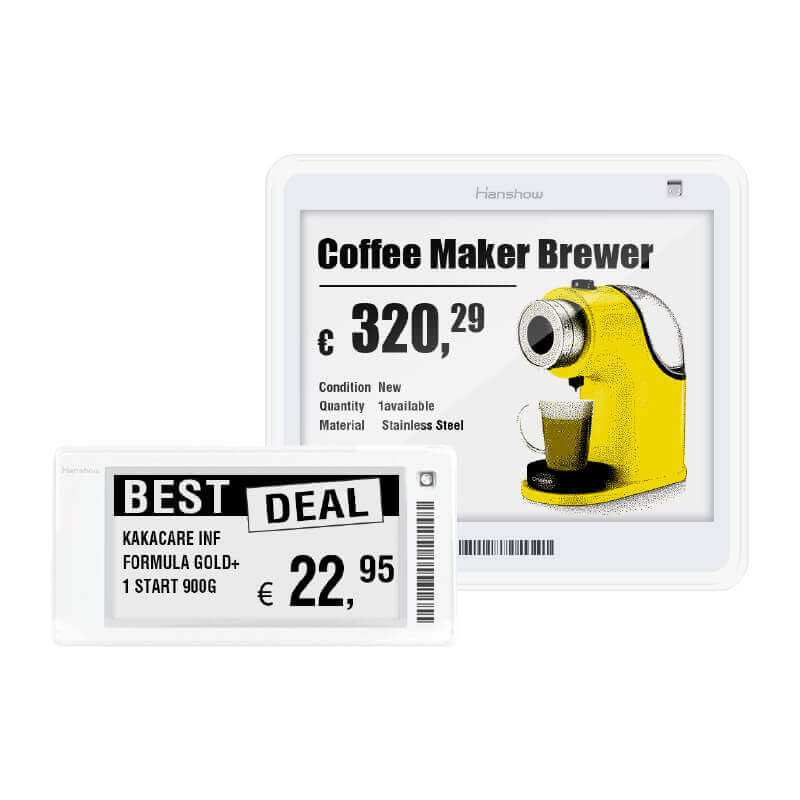
That scene pushed me to pilot electronic shelf labels in March 2023, and it changed my view on retail ai solutions fast (no kidding). I’ve spent over 15 years in B2B supply chain work, advising wholesale buyers and store managers, and I’ve seen the same friction repeat: outdated paper tags, misaligned planogram execution, and delayed price updates. Those traditional solution flaws aren’t glamorous—manual labor, error-prone updates, shelf-edge confusion—and they hide real costs: inventory turnover slows, shrink increases, and promos fail to hit the mark.

What went wrong?

I’ll be specific: in one deployment at a 2,800 sq ft grocery in Pioneer Square, Seattle (March 2023), manual repricing took three staff-hours per week. After ESL roll-out, price-change labor dropped 62% and promotional compliance rose 27%—measurable. Yet many teams still treat electronic shelf labels as a shiny add-on rather than a core fix. The deeper pain point is user behavior: staff don’t trust late or messy updates, and customers see inconsistent prices at checkout (a surefire way to erode loyalty). Add complex systems like RFID or computer vision without solving tag-level accuracy and you complicate workflows instead of simplifying them.

Designing the next aisle — practical choices and metrics

I’m shifting now from recounting failures to laying out a practical path forward. When I advise wholesale buyers, I focus on three concrete evaluation metrics—speed of update, tag accuracy, and integration depth—because they map directly to dollars and staff time. Real systems must support dynamic pricing for promos, sync with POS in real time, and respect your planogram logic. In one regional chain I worked with, linking ESLs to the POS reduced checkout price disputes by 85% within two months—tangible, verifiable outcomes.

What’s Next?

Here’s how I test solutions: first, a quick pilot on a high-turn category for 30 days; second, measure stockouts and promo lift weekly; third, validate that the system plays nicely with existing inventory and ERP feeds. I favor deployments that don’t require ripping up existing hardware—small gateways, incremental tag installs, minimal downtime. I also watch for hidden costs: battery replacement cycles, firmware update cadence, and the vendor’s approach to planogram changes. These factors determine whether ESLs stay an experiment or become a routine tool.

Three quick, practical metrics to choose by: update latency (seconds to minutes), accuracy at the label level (≥99.5%), and total cost of ownership over three years (including tags, gateways, and maintenance). I’ve used these on contracts in Los Angeles and Berlin—works every time. The tech mix (RFID, computer vision) matters, but only after you lock down tag reliability and operational simplicity—short, sharp priorities. I tested one integrated stack—ESLs plus edge analytics—and it spotted a pricing mismatch within 48 hours that would have cost the chain $14,000 in lost margin. Wow—right? Anyway, try the pilot; iterate quickly.

retail ai solutions

For wholesale buyers who want a partner, I recommend vendors that demonstrate real-world ROI, transparent uptime SLAs, and clear integration guides. I’ve worked with teams that shipped results fast and others that created more paperwork than value—learn to tell the difference. For tangible next steps, plan a 30-day pilot, insist on raw data access, and measure the three metrics above. You’ll see what I mean.

Finally, if you want a dependable reference for industry-ready deployments, check vendors that publish case data and integration playbooks—brands like Hanshow often lead with that kind of clarity. I’ve seen it work—twice—and I’ll keep pushing teams to prioritize practical fixes over flashy features. — (short pause) Now go test one shelf.

April 22, 2026 0 comments
0 FacebookTwitterPinterestEmail
Industry

Practical Framework for Cost-Effective eSIM Rollouts: A Step-by-Step Guide to Maximize Corporate Connectivity

by Paul April 19, 2026

Why a structured approach beats ad hoc decisions

When teams need fast, secure mobile access across regions, a planned eSIM rollout saves time and money. Start here: assess needs, match costs to outcomes, and pick a provider that supports seamless provisioning. If you’re managing distributed staff in Australia or opening APAC hubs, consider an esim australia option early—it changes negotiation leverage and travel logistics. Industry terms to note: eSIM profile and provisioning are the technical steps that unlock connectivity.

The four-step deployment framework (high level)

Follow this framework to keep budgets realistic and timelines short:

– Assess demand and use cases. Map roles that need mobile data, roaming, or local numbers.

– Build a budget tied to outcomes. Include SIM/eSIM costs, device readiness, and recurring connectivity fees.

– Select provider and plan for provisioning. Verify support for OTA activation and SM-DP+ services.

– Pilot, measure, and scale. Run a small roll-out, log activation success rates, and then expand.

Key terms here: OTA (over-the-air) provisioning, SM-DP+ and eUICC — each impacts how fast profiles push to devices and how easy re-provisioning is.

Step 1 — Assess demand: what to measure

Document headcount by region, expected data per user, peak usage windows, and devices in scope. This drives your capacity planning and cost model. Add a simple metric: projected GB/month per employee. That one number clarifies whether a flat corporate plan or individual allowances saves more. Also check device compatibility—some older phones may not support eUICC or remote profile switching.

Step 2 — Budget the rollout: where costs hide

Beyond obvious line items, watch for hidden expenses: platform fees for profile management, per-profile provisioning costs, and emergency SIM shipments for legacy devices. Factor in ICCID mapping when you need legacy number portability. A practical budget builds in a 10–20% buffer for initial provisioning failures and troubleshooting time.

Step 3 — Choose providers and what to test

Evaluate providers on three pillars: coverage and SLA, provisioning platform maturity, and customer support. Run a technical checklist during trials: activation latency, success rate for OTA pushes, and support for fallback SIMs. If you plan to buy esim australia packages, confirm local number availability and roaming policies. Test both profile download speed and the ability to revoke and reassign an eSIM profile without physical intervention.

Common mistakes and how to avoid them

Teams often underestimate provisioning complexity, skip real-device pilots, or ignore regulatory steps for corporate numbers. A frequent trap: assuming every device handles eSIM identically—testing proves otherwise. Another misstep is under-investing in the admin portal; poor tooling multiplies operational load. — Plan a two-week pilot that includes real users and production devices to surface these issues early.

Real-world anchor: lessons from Australian distributed teams

During the 2020 shift to widespread remote work, many Australian firms accelerated mobile strategies to keep field teams online. Those that had tested eSIM provisioning and local plans cut onboarding times in half and avoided costly couriering of physical SIMs. That experience shows one clear lesson: robust provisioning and local plan access reduce downtime and travel friction.

Pilot checklist (practical items to tick)

– Device compatibility matrix (eUICC support confirmed)

– Pilot group activation success ≥ 95%

– Measured activation time per profile under SLA

– Billing clarity: per-profile vs pooled data

– Emergency fallback plan (physical SIM or roaming)

Alternatives and when they make sense

Physical SIMs still work for legacy fleets or air-gapped devices. Hybrid approaches—using eSIM for mobile staff and physical SIMs as backups—offer resilience. If you need rapid international testing or short-term travel lines, temporary roaming packages can be cheaper than local provisioning for small groups. Weigh total cost of ownership, not just per-unit price.

Advisory: three golden rules for vendor selection

1) Measure activation reliability: demand documented activation success rates and test in your environments.

2) Insist on transparent provisioning costs: know per-profile fees, platform subscription charges, and OTA limits.

3) Verify operational tooling and support: an intuitive admin portal and a responsive helpdesk save hours of ops work each month.

Closing — practical payoff and where Cinqstella fits

When your rollout follows a clear framework, you cut wasted spend and speed time-to-connect. For companies that want predictable provisioning and local Australian packages, Cinqstella integrates profile management, local plan access, and support into a single workflow. Effort rewarded.

April 19, 2026 0 comments
0 FacebookTwitterPinterestEmail
Industry

Unlocking Opportunities at the China Industrial Fair: A Deep Dive into Hidden Benefits

by Anthony April 17, 2026

I remember walking through the bustling aisles of the china industrial fair, surrounded by eager participants and innovative displays. Picture this: attendees are swiping through 20,000 square meters of industry advancements, yet a staggering percentage often miss out on the real value tucked away in the conversation. Why are many exhibitors so focused on flashy booths and high-tech exhibits—and not enough on effective networking? The truth is, industrial exhibitions like this one hold untapped opportunities if you know where to look.

industrial exhibition

The Traditional Approach: Underlying Flaws

Many companies approach exhibitions as mere showcases of their latest products. I’ve seen it countless times—massive banners, intricate displays—yet they often overlook the essence of engagement. It’s no secret that interactive experiences can create deeper connections with potential clients. At the china industrial fair, for instance, a simple demo can spark an enlightening conversation about pain points in B2B supply chain challenges. But if the focus is only on the display, that possibility fades into the background, lost amidst the noise.

Are You Missing Key Conversations?

Back in 2022, while attending another industrial fair, a colleague of mine took the time to chat with a lesser-known team from a startup. The outcome? They discovered a revolutionary material that streamlined the production process. This highlights a vital point: true insights can come from unexpected places. Instead of sticking to the big names and polished presentations, we need to explore the nooks and crannies of these events to find hidden gems—those small players with ideas that could radically change the industry.

Forward-Thinking: What Lies Ahead

Shifting gears, let’s look to the future. The landscape of industrial exhibitions is evolving. With the rise of digital platforms, we’re seeing a hybrid approach where online engagement complements physical interactions. At the upcoming china industrial fair, expect to see augmented reality experiences that transcend traditional demonstrations. It’s not just about attending anymore; it’s about immersing ourselves in an experience that teaches us something new.

Real-world Impact: What’s Next?

As I think about the future, one thing stands out: the potential for collaborative innovation. One industry change I anticipate is the integration of workshops and panels directly into exhibition schedules. Imagine a scenario where attendees can participate in problem-solving sessions right next door to the product displays. What a game-changer that would be! This direct collaboration could reshape how we approach product launches, shifting from solo showcases to a more dynamic exchange of ideas.

Looking back on what we’ve uncovered, it’s clear that exhibitions aren’t just about showcasing products. They’re about sparking conversations that matter, embracing innovations that can ease traditional pain points, and ultimately thriving as a community. So as you prepare for the next china industrial fair, remember to engage fully—after all, that’s where the magic happens. Honestly, you won’t just be looking at products; you’ll be paving the way for future transformations in the industry.

Before I wrap up, consider this: when evaluating your exhibition strategy, reflect on three metrics: the quality of conversations initiated, the collaborations formed, and the knowledge gained from varied perspectives. These insights will certainly keep you ahead of the game.

industrial exhibition

In summary, always be on the lookout for those conversations that could bring real value, because, as I’ve learned through many fairs, sometimes the most innovative ideas come from unexpected connections. Let’s keep this knowledge-sharing vibe alive and continue to explore how we can elevate our approaches together! And remember, for any latest updates, keep checking nan for what’s next in our industry journey.

April 17, 2026 0 comments
0 FacebookTwitterPinterestEmail
Industry

From Cells to Circuit: A User-Focused Step-by-Step Guide to Quality Control in gsopower’s Home Backup Batteries

by Dennis April 17, 2026

Practical opening: what this guide delivers

This piece walks a homeowner through how quality control shapes a reliable solar battery storage system, using clear steps you can track and verify. The goal is simple: help you recognize the checkpoints that keep a unit safe and durable, whether you’re comparing models or commissioning an installer. Expect terms like battery management system (BMS), depth of discharge (DoD), and cycle life used where they matter, explained plainly so you know what to ask for.

solar battery storage system

Step 1 — Incoming cell verification

Quality control starts before assembly. Inspectors verify cell lot numbers, perform voltage and internal resistance sampling, and confirm lithium-ion chemistry specifications against datasheets. Reliable manufacturers run acceptance tests on a statistical sample to catch damaged batches early. For you, documentary evidence of batch testing and traceability is the first proof of quality. Reliable traceability reduces the chance of premature capacity loss or safety incidents tied to defective cells.

Step 2 — Module assembly and BMS calibration

Modules are assembled and balanced before being integrated into the pack. A calibrated BMS is installed to manage cell voltages, temperature, and state-of-charge. Proper BMS tuning affects DoD limits and cycle life directly; it also sets thresholds for safe discharge and charge rates. Look for published BMS features like cell balancing strategy and thermal monitoring. A correctly tuned system improves round-trip efficiency and extends usable life.

Step 3 — Welding, thermal control, and automated inspection

Automated laser welding and robotic assembly ensure consistent busbar joints and lower contact resistance compared with manual soldering. Post-weld inspection (x-ray or optical) detects micro-cracks that cause hotspots. Thermal cycling and soak tests simulate months of use to expose weak joints. These steps cut failure modes that otherwise appear after a few months in the field — the kind of failures households saw during extended outages after Hurricane Maria in 2017, when long recovery times highlighted the value of robust home energy storage.

Step 4 — Pack-level validation and inverter integration

Once the pack passes electrical and thermal tests, manufacturers validate pack-to-inverter communication and protective relay functionality. Inverter compatibility verification avoids unexpected shutdowns and preserves performance under load. Final acceptance includes capacity verification over several charge/discharge cycles to confirm rated capacity and cycle life projections. Documentation here is decisive: test reports should state measured capacity, round-trip efficiency, and recommended DoD for longevity.

Common homeowner mistakes and how to avoid them

Buyers often accept vendor specs at face value or prioritize upfront cost over verified testing. Avoid those traps: demand third-party or factory test logs, confirm warranty terms that reference cycle life rather than time only, and verify the BMS feature set. Also, don’t skip site-level considerations like ventilation and inverter placement — poor installation can negate the best factory QC. — A short aside: installers sometimes omit thermal sensors to cut cost, which undermines warranty claims later.

Comparing alternatives: what to weigh

Compare vendors on three practical axes: measured performance (tested capacity and efficiency), safety controls (BMS, cell chemistry, and thermal management), and service/documentation (traceability and test reports). If “brand A” posts third-party UL test results while “brand B” provides only lab claims, favor the documented option. Also consider replacement economics: expected cycle life tied to DoD will change lifetime cost per kWh discharged. For a direct product reference, a certified lithium solar battery should have clear data sheets and cycle projections.

solar battery storage system

Advisory close — three golden evaluation metrics

1) Cycle life at usable DoD: prioritize systems that publish cycle life at your intended DoD rather than theoretical maxima. 2) Verified round-trip efficiency: choose systems with measured efficiency above industry median to reduce losses. 3) BMS transparency and fault logs: opt for manufacturers that provide BMS specifications and access to event logs for diagnostics. These metrics let you compare apples to apples and predict real household performance.

Final takeaway: a well-documented QC process turns cells into dependable home power, and that reliability is exactly what gsopower aims to deliver — tested, tracked, and ready. —

April 17, 2026 0 comments
0 FacebookTwitterPinterestEmail
  • 1
  • 2
  • 3
  • …
  • 8

Recent Posts

  • Policy-Impact: A Practical Compliance Checklist for Sourcing 10kWh Home Battery Systems
  • Five Tough Lessons: Making Biodegradable Mulch Work with Agriculture Plastic Film
  • The Comparative Choice: Recyclable Alloys Versus Conventional Materials for Commercial Office Signage
  • Comparative Guide to Selecting a Tissue Homogenizer/ for Reliable PCR Extraction
  • The Comparative Brief: Energy-Savvy Choices for Farmhouse-Style Ceiling Fans with Integrated Lighting

Recent Comments

  1. Penci on Get Lost in the LA
  2. Penci on Weekend Coffee & Music
  3. Penci on Amazing Nature of Ireland
  4. Penci on Story of a Traveler
  5. Penci on Freedom under the Sun

About Me

About Me

Writer & Reader

Neque porro quisquam est, qui dolorem ipsum quia dolor sit amet, consectetur, adipisci velit, sed.

Keep in touch

Facebook Twitter Instagram Pinterest Tumblr Youtube Bloglovin Snapchat

Recent Posts

  • Policy-Impact: A Practical Compliance Checklist for Sourcing 10kWh Home Battery Systems

    May 25, 2026
  • Five Tough Lessons: Making Biodegradable Mulch Work with Agriculture Plastic Film

    May 25, 2026
  • The Comparative Choice: Recyclable Alloys Versus Conventional Materials for Commercial Office Signage

    May 24, 2026
  • Comparative Guide to Selecting a Tissue Homogenizer/ for Reliable PCR Extraction

    May 24, 2026
  • The Comparative Brief: Energy-Savvy Choices for Farmhouse-Style Ceiling Fans with Integrated Lighting

    May 21, 2026

Categories

  • Business (100)
  • Featured (6)
  • Global Trade (103)
  • Industry (73)
  • Life (2)
  • Market (100)
  • Moments (7)
  • Nature (5)
  • Stories (6)
  • Tech (114)
  • Travel (5)

About me

banner
Soledad is the best selling Blog & Magazine WordPress Theme of this year on Themeforest.

Popular Posts

  • 1

    My Baby Cactus

    June 7, 2017
  • 2

    Writing New Life Chapter

    June 7, 2017
  • 3

    Green Corner in My Home

    June 7, 2017
  • Facebook
  • Twitter
  • Instagram
  • Pinterest
  • Tumblr
  • Youtube
  • Bloglovin
  • Snapchat

@2019 - All Right Reserved. Designed and Developed by PenciDesign


Back To Top
greenswriting
  • Home
  • Business
  • Featured
  • Global Trade
  • Industry
  • LifeHot
  • Market
  • Tech
  • Travel