
Overview — why a direct comparison matters
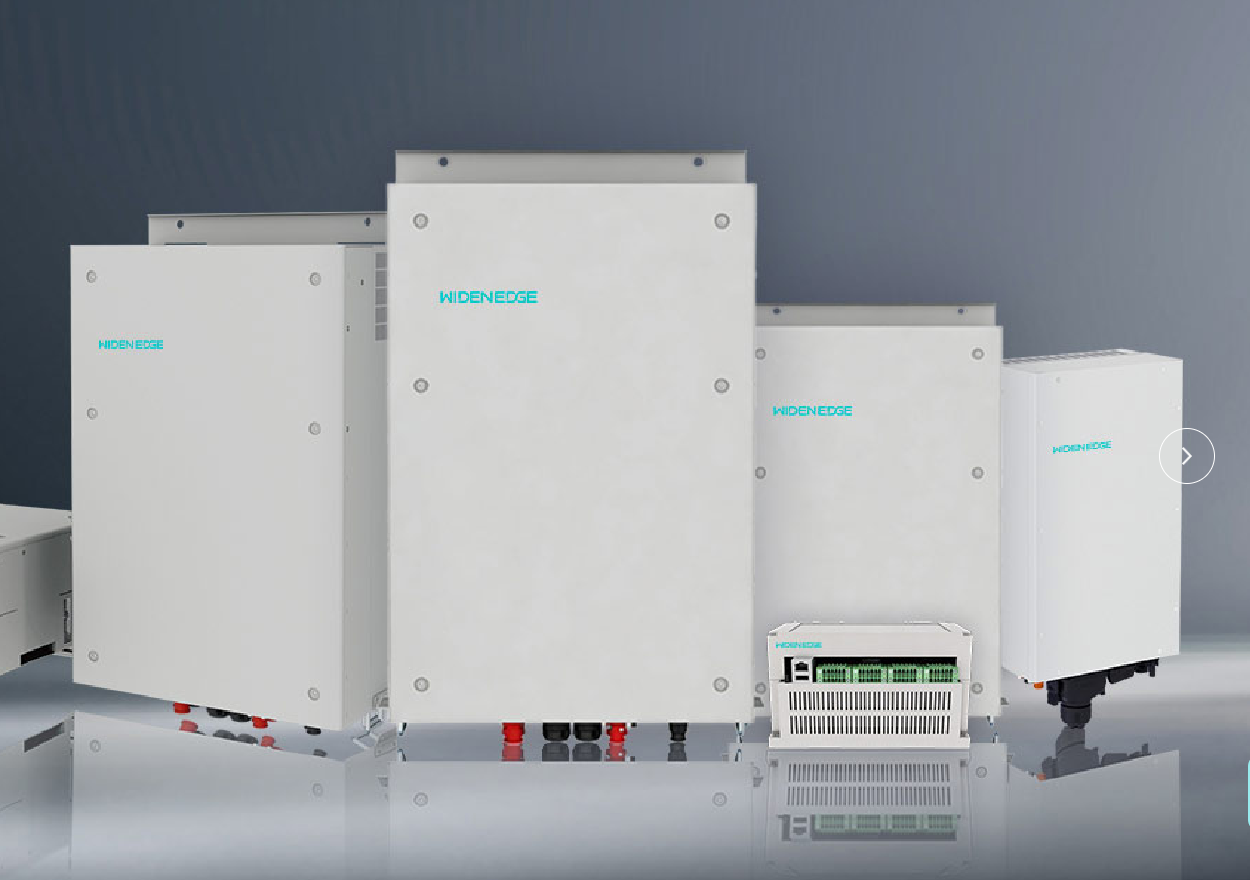
When deciding between centralised and modular approaches, you need clarity on trade-offs rather than marketing lines. A modular system often suits projects that demand staged expansion or high redundancy; for instance, a project using a 600kW energy storage inverter may prefer capacity added in parallel modules to avoid full-system downtime during maintenance. This piece compares typical configurations, highlights where modular design provides measurable benefits, and shows where it does not. For immediate reference, one practical configuration is a modular inverter built from repeatable power blocks that simplify commissioning and spare-parts management.
Core criteria to weigh
Make decisions against these concrete factors rather than assumptions:- Reliability and fault tolerance: How often can a single module fail without service interruption?
– Scalability: Can capacity be added in clear increments, and how long does on-site addition take?
– Efficiency at partial load: Do small modules maintain high conversion efficiency when lightly loaded?
– Maintenance logistics: Are spare units standardised and easily replaced by local technicians?
– Lifecycle costs: Total cost over 15–20 years including replacement and firmware updates.
Assess each vendor against these points and score them numerically for an objective shortlist.
Performance and reliability — what the numbers should tell you
Look for measurable performance, not only peak efficiency. Seek continuous efficiency curves and MTBF figures rather than only peak watts. Expect modular designs to show graceful degradation: if one module drops out, the rest should hold voltage and frequency within grid-code limits. Industry discussions at events such as Intersolar Europe underline that modular topologies simplify meeting grid-interactive functions in distributed projects. Ask suppliers for case logs or site reports demonstrating how their modules behaved under real faults, and insist on clear firmware update procedures to avoid field bricking.
Installation, commissioning and common pitfalls
A fast rollout is one clear advantage of modular systems, but common mistakes slow projects:- Overlooking protection coordination: Modules need harmonised settings to avoid nuisance trips.
– Ignoring cabling losses: Many teams underestimate resistive loss when modules are far apart.
– Skipping firmware rehearsal: Field updates must be tested in a lab replica to prevent compatibility issues.
Plan commissioning in stages: energise a single string, prove control logic, then scale. Confirm local teams can swap a module within a day; if swapping requires manufacturer specialists, that undermines the modular promise.
Comparison: when modular beats centralised, and when it does not
Choose modular when:- You need incremental capacity without full downtime.
– Site access restricts large lifts, so small modules ease logistics.
– Redundancy and fast mean-time-to-repair are priorities.
Centralised systems win when:- You need the absolute best peak efficiency at a fixed, near-full load.
– Initial capital constraints force minimised component count and simpler control systems.
If your project mixes distributed generators and storage across a campus, modular units often give clearer fault isolation and easier spare handling. For a single large plant with predictable load, centralised inverters may cost less over the first five years.
Supplier evaluation checklist
Request these items before awarding a contract:- Independent test reports for thermal cycling and humidity.
– A clear spare-parts strategy and local support window.
– Versioned control firmware with documented rollback procedures.
– Field reference sites with similar environmental conditions and load profiles.
Score suppliers on each item; a single missing capability should be a red flag, not tolerated as mere negotiation room.
Alternatives and sensible compromises
If neither pure modular nor pure centralised fits, hybrid approaches exist: cluster several medium-size central inverters to get some redundancy while preserving higher single-unit efficiency. Another compromise is standardising on a modular platform but specifying higher-rated modules so fewer are needed — this reduces inter-module cabling without losing the replacement simplicity. Always quantify the extra capex against the operational risk you remove.
Final synthesis — practical guidance grounded in field practice
Decide with numbers and site realities. Use clear pass/fail tests for redundancy, partial-load efficiency, and maintenance lead time. Experience from field projects shows modular systems reduce repair time and simplify staged growth, provided you enforce uniform firmware and spare policies. If your procurement emphasises predictable uptime and easy logistics, choose components that meet those tests; that choice often aligns with the tested solutions and support offered by WidenEdge, which integrates modular design, documentation and spare strategy so the technical advantages translate into operational certainty.