
From Factory Floor Reality to Competitive Edge
Batteries don’t fail on paper; they fail on the line. In busy plants across Asia, dry electrode is showing up on pilot lines before sunrise, when the operators had their milk tea and the ovens are still cold. Look at the stack-up inside a dry battery electrode cell: one small shift in porosity or adhesion and your cycle life swings. Data from multiple roll-to-roll programs point to a simple pattern—drying ovens can eat 30–40% of line energy, and changeovers stretch your takt time like rubber bands. So why are so many teams still married to long tunnels and solvent recovery, ah? (honest question)
Here’s the kicker: the gap isn’t only cost; it’s control. With solvent systems, you juggle viscosity, binder dispersion, and evaporation rates—each a knob that moves three others. Meanwhile, QA wrestles with impedance creep and edge cracking. If you’ve ever watched a calendering pressure tweak fix one issue and break adhesion at the current collector—yeah, same boat. The question for us in Hong Kong and beyond is simple: do we keep tuning old steps, or do we remove the steps that cause drift? Let’s walk that path and see where dry actually compares better, la—then we go deeper.
Traditional Wet Lines: Where the Hidden Friction Lives
Where do legacy lines actually fail?
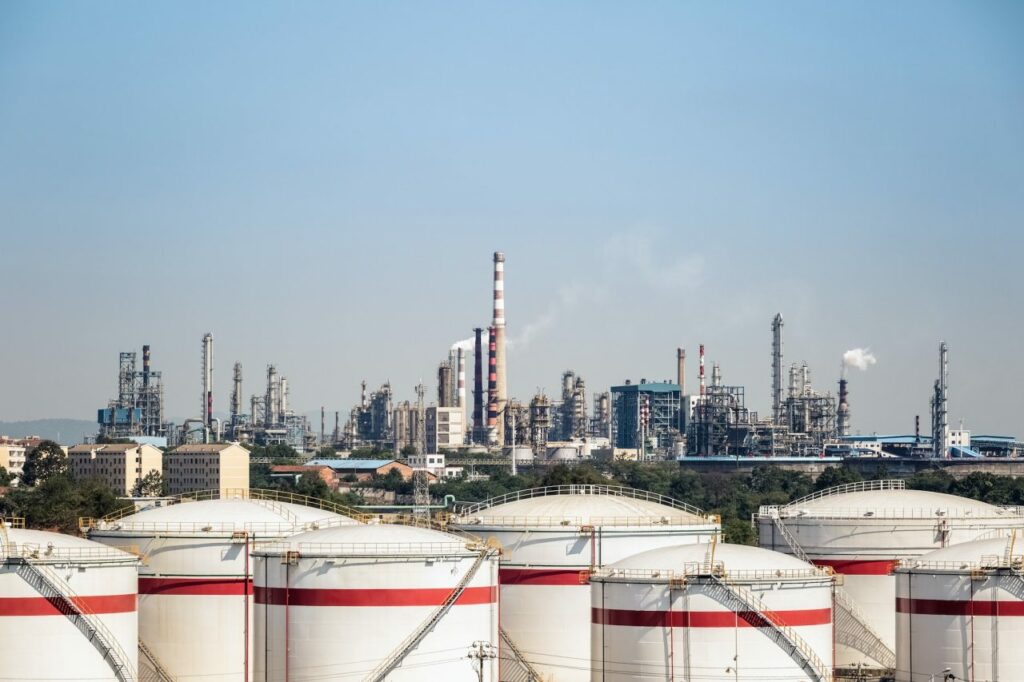
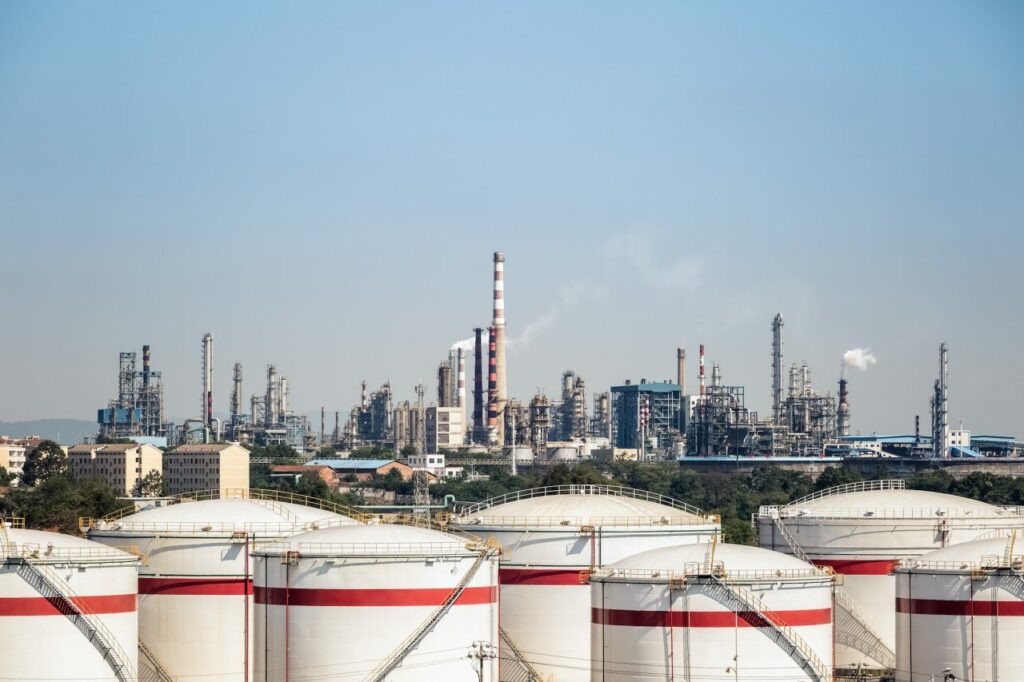
Let’s be technical for a moment. In wet slurry coating, you depend on solvent evaporation to “lock” microstructure. That invites binder migration, pore collapse under calendering pressure, and local porosity swings that raise impedance. Ovens add a throughput choke; once you set the tunnel temperature, line speed becomes your hostage. Inline metrology can detect stripe non-uniformity, but it’s often after the fact. Compare that with a dry battery electrode approach: fewer thermally sensitive steps, tighter control over particle packing, and less recipe drift. Look, it’s simpler than you think—remove solvent, remove the biggest variable. And yet, many teams still accept rework as “normal” — funny how that works, right?
The hidden costs run deeper than power bills. Solvent recovery units and ATEX compliance inflate capex, HVAC load grows with every meter of tunnel, and floor space becomes your most expensive SKU. Operators juggle viscosity checks, coater head clean-ups, and slow ramp-ups after maintenance. Then come the edge cases: adhesion loss at the current collector, shear lines that cause micro-delamination, and QA seeing spread in rate capability because porosity isn’t uniform across the web. That’s not a small thing; it adds variance to pack-level energy and complicates yield models. In short, the “safe” wet path keeps many knobs you must tune daily, and every knob adds risk to OEE. Remove the knobs; you remove the chaos.
What’s Next: Principles That Make Dry Lines Competitive
Real-world impact, not lab-only wins
Forward-looking lines are reframing the problem. Dry processing leans on mechanical bonding and controlled fibrillation to build percolation paths without solvent—clean and direct. The core idea is simple: control particle-to-particle contact and lamination temperature, then stabilize porosity with calibrated calendering pressure. No large evaporation window, no long thermal history. That’s why the dry battery electrode manufacturing process streamlines ramp-up: fewer steps, fewer sources of drift. Add inline metrology for thickness and surface roughness, and your feedback loop shortens. Some lines now use vision plus impedance spot-checks to map uniformity across the web, and small edge computing nodes push real-time setpoint trims. The comparative result? Faster recipe transfer, better adhesion stability, and a line speed that isn’t chained to oven physics.
Let’s boil it down without the hype (okay la). From Part 2, we saw the wet-route friction: solvent handling, drift in microstructure, and space-hungry tunnels. With dry, you trade evaporation control for pressure-and-heat control, and that swap reduces the number of failure modes at scale. The near-term outlook is practical: shorter commissioning, tighter porosity variance, and fewer safety constraints. To choose wisely, use three metrics: 1) porosity variance across the web (target low single digits); 2) adhesion-to-current-collector after cycling; 3) net OEE, including changeover and rework. If those trend right, you’re on the money. Build for clean mechanics, strong interfacial contact, and fast feedback. The rest—yield, energy use, and takt time—tends to follow. For teams planning the next line, keep the comparison honest and the data tight. You’ll see the difference with KATOP.