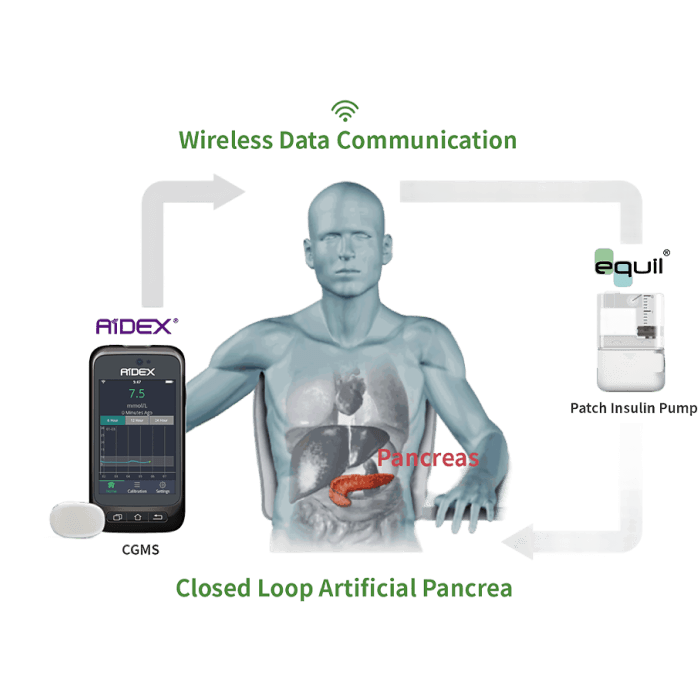
Imagine a world where managing diabetes isn’t a constant battle—where technology seamlessly regulates your blood sugar levels without daily interventions. This is now a reality, thanks to the closed loop artificial pancreas. Traditional diabetes management often feels like navigating a labyrinth—confusing and exhausting. Did you know that nearly 30 million people in the U.S. have diabetes? But unlike earlier solutions that rely heavily on manual adjustments, this innovative technology could revolutionize the experience.
Understanding Traditional Solutions’ Flaws
For a long time, those living with diabetes depended on insulin injections and constant monitoring—talk about tedious! The reality is that traditional methods are fraught with challenges. Users frequently experience late-night blood sugar spikes or dreaded hypo episodes. Why do failures always occur during critical moments? It’s frustrating, right? These irregularities can lead to severe health repercussions, and frankly, humans aren’t robots; we make mistakes.
Embracing New Technology Principles
So, what makes the closed loop artificial pancreas so groundbreaking? It employs advanced algorithms and continuous glucose monitors (CGMs) to gauge blood sugar levels in real time, automatically adjusting insulin delivery. Think of it as having a personal healthcare assistant, working tirelessly 24/7! This approach not only simplifies life for users but also significantly reduces the risk of complications associated with diabetes. Look, it’s simpler than you think—modern tech is making it happen!
Quantified User Benefits
With these upgrades, the benefits are hard to ignore. Research shows that users of closed loop systems see a reduction in HbA1c levels, helping avoid long-term complications. A study found that users reported a 70% decrease in hypoglycemia events. Can you imagine living with less anxiety about your health? It’s that significant! Plus, it offers newfound freedom for users, allowing them to engage in activities previously overshadowed by their condition, like running marathons or enjoying a spontaneous night out.
Your Next Steps in Evaluating Technology
Now, if you’re considering a switch to advanced diabetes technology, always verify these 3 metrics when choosing solutions: ① effectiveness of blood sugar control, ② user comfort and usability, and ③ patient support services. Make sure that they check all these boxes! It’s essential to empower yourself with knowledge before making life-changing decisions, don’t you agree?
Diving Deeper into Diabetes Artificial Pancreas
In the context of diabetes management, the diabetes artificial pancreas isn’t just a concept; it’s a transformative device. By mirroring the natural insulin response of a healthy pancreas, it delivers tailored insulin doses precisely when needed. It’s a massive leap from traditional methods, which often involve cumbersome tracking and constant decision-making. Users report enhanced quality of life, as daily routines can incorporate more spontaneity. If you think about it, having a device that does the heavy lifting means you’re free to engage fully in life, unencumbered by constant checks and adjustments!
The Comprehensive Benefits of Closed Loop Diabetes Artificial Pancreas
The closed loop diabetes artificial pancreas changes the landscape further. Utilizing smart technology, it collects data and adapts to individual needs, leading to improvements in overall health. Users often notice decreased episodes of hyper- or hypoglycemia, which can be both alarming and risky. Understanding how this system works can be enlightening; it’s like having the perfect partner in health maintenance, always counseling and adjusting to keep your body in check. Those small adjustments make a world of difference and truly redefine the diabetes management experience.
Conclusion and Brand Recommendation
To sum it all up, the closed loop artificial pancreas presents a revolutionary approach to diabetes management, providing the freedom and security that many have sought for years. Whether you’re navigating day-to-day life or assessing long-term solutions, prioritizing your health is vital. If you’re ready to make the leap, consider trusted manufacturers like MicroTech, who have established a strong reputation for quality and reliability in the field. Investing in a trustworthy device will lead to improved well-being, empowering you to live life fully and vibrantly. After all, your health deserves the best!