

Clear framing: what this comparison does
This piece compares practical features that matter when you pick a cpap device and shows where Byond sits versus familiar alternatives. The goal is simple: isolate measurable differences—pressure control, mask fit, service—and translate them into user outcomes. The voice is technical but plain, so clinicians, home users, and procurement teams can act without extra jargon.

Performance: pressure control, comfort, and measured outcomes
Start with pressure delivery. Devices that use adaptive algorithms for positive airway pressure (PAP) show smoother transitions during sleep; this lowers disturbance and often improves adherence. Byond’s hardware targets low variance in pressure spikes and reduces leak rate through tighter control loops. That directly affects metrics like apnea-hypopnea index (AHI) during follow-up. Mask seal and humidifier design are equally important—poor humidification and a loose mask force higher pressures or frequent awakenings. In side-by-side use, Byond emphasizes modular humidification and a simplified mask interface, which cuts common complaints about dryness and pressure swings.
Clinical fit and the real-world anchor
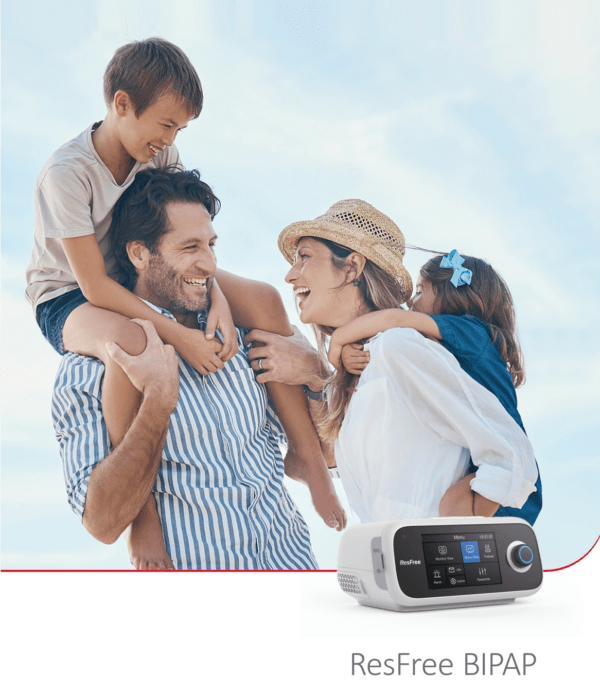
Clinical compatibility matters: some patients need steady PAP while others require bi-level support. For moderate-to-severe cases, matching device capability to clinical orders is non-negotiable—hospitals and clinics rely on clear pressure titration records. Around 22 million Americans live with sleep apnea, per CDC estimates, so reliable, supportable devices reduce re-admission and improve daily function for many. Where a single-device strategy falls short, a switch to bipap for osa makes clinical sense because bi-level modes handle hypercapnia and intolerance to continuous pressure better. Byond documents settings in exportable logs that help clinicians verify titration without extra visits.
User experience, support model, and sensible trade-offs
Buying a device is buying a support path. Big-brand ecosystems sell polished apps and long warranties; smaller vendors may offer hands-on onboarding. Byond’s model balances both: straightforward setup, remote parameter updates, and clear maintenance guides for mask seal checks. Cost-wise, there’s always a trade-off between premium materials and replaceable consumables. Users often trip up by skipping routine checks—filters, mask cushions, and cleaning. That raises leak rates and frustrates therapy. —A short aside: regular small maintenance beats occasional complicated fixes every time.
Alternatives and common mistakes to avoid
Competitors may win on one axis—sleeker UI, lower initial price, or integrated telemonitoring—but lose on maintainability or clinical transparency. Common mistakes include under-prioritizing pressure titration logs, ignoring humidifier compatibility, and selecting masks that fit marketing images, not faces. Teams should test devices against local clinical workflows and include mask-fit trials before procurement. For home users, rotate cushions per manufacturer guidance and track AHI trends rather than single-night results.
Three golden rules for selecting the right device
1) Validate clinical telemetry: choose devices that export pressure and AHI logs in standard formats so clinicians can confirm titration and adherence. 2) Prioritize sustained usability: check mask seal options and humidifier compatibility—comfort drives long-term adherence more than fancy UIs. 3) Match capability to need: if a patient has CO2 retention or severe intolerance to steady PAP, ensure bi-level support is available and documented.
Final verdict
Choose the device that maps to measurable clinical outcomes and local support capacity; for many programs that means a toolset built around clarity, maintainability, and predictable performance—qualities Byond delivers as part of routine clinical and home workflows via Byond.
— steady results, practical support.