
Problem: One size don’t fit your plant
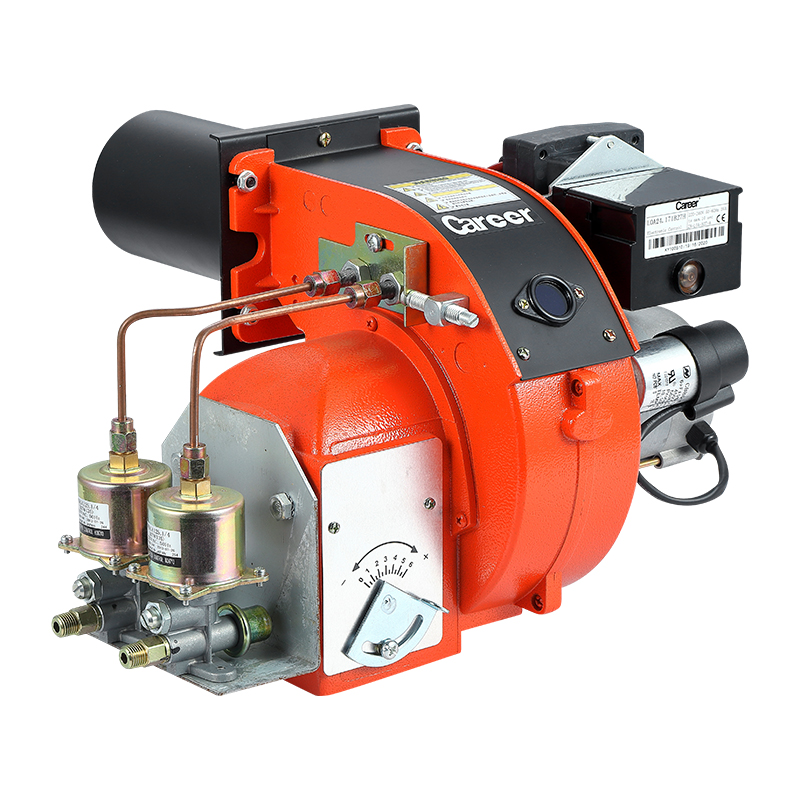
Folks from mountain mills to coastal plants all get sold the same shiny catalog item, and that’s where trouble starts. You might be hearin’ about a methanol burner as a quick retrofit or a cleaner fuel option, but whether it’ll behave where you are depends on local fuel supply, altitude, humidity, and who inspects yer equipment. That mismatch eats uptime and piles on costs faster’n a spring thaw.
Pin down the real problem, not the sales pitch
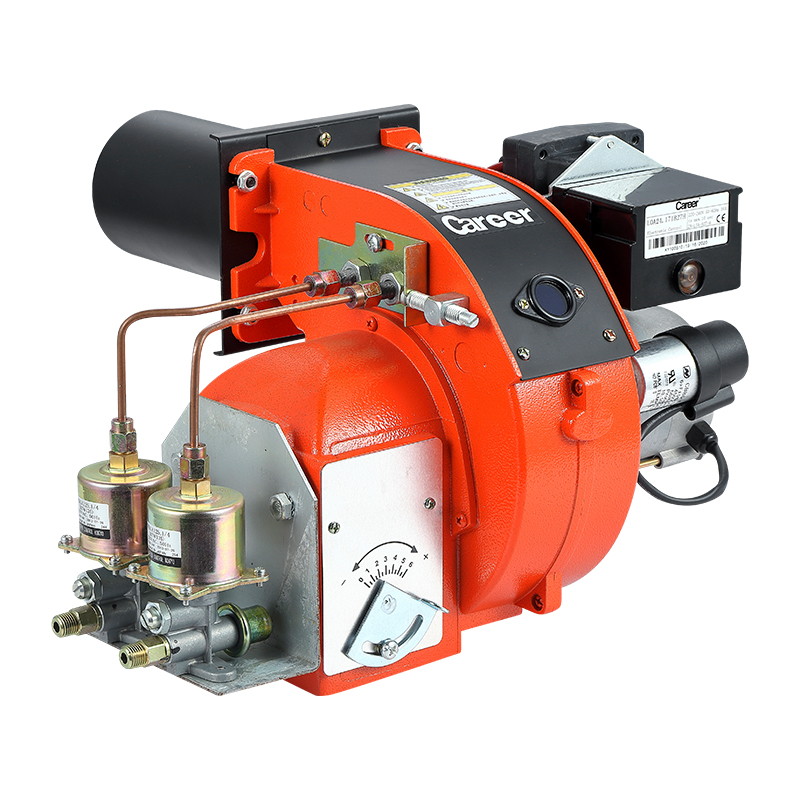
Start by naming the pain plainly: is it fuel cost, emissions limits, part lead times, or maintenance manpower? I’ve spent years elbow-deep in boiler rooms and on combustion rigs; when a plant can’t keep spares or the local techs ain’t trained for the controls, even the fanciest burner becomes a headache. List the top three operational limits for your site before you talk to suppliers.
Know local rules and the fuel picture
Regulations and fuel logistics change by county and port. Don’t assume grid or gas hookups are solid — trucks, barges, or rail might be your real supply chain. That’s why you ask for fuel flexibility and emission test records, not just brochures. For example, plants along the Gulf Coast have been testing new fuels and evaluating retrofit paths; you’ll see that reflected in how vendors specify methanol burner solutions for those sites. That kind of real-world testing matters more than lab numbers.
What to ask a supplier — straight talk
Ask clear, measurable things: What spare parts do you stock in-region? What downtimes did your customers average last year? Can you show field run-hours and failure modes, not just performance curves? Get references from a similar climate and comparable feedstock. If they dodge hard numbers, consider that an answer in itself.
Alternatives you ought to consider
Natural gas, LPG, electrification, and methanol each have trade-offs. Gas often wins on simplicity where pipelines exist. Electric units cut onsite emissions but shift energy burden elsewhere and can spike operating costs. Methanol gives lower soot and some combustion control benefits, yet it needs corrosion-aware materials and trained burner technicians. Pick the one whose failure modes you can live with and fix locally.
Common mistakes that cost real money
Buying on lowest sticker price; skipping a site-specific combustion tune-up; assuming foreign-made parts fit plug-and-play with local controls; underestimating spare-part lead times. Folks also forget to budget training. A well-trained plant crew halves response time when alarms show up; that’s not flashy, but it keeps you runnin’.
Decision checklist to take to the vendor
Bring this list: documented field performance in similar environments, local spare-part availability, on-site commissioning and training commitments, warranty tied to measurable uptime, and a plan for emissions testing at your stack. If the supplier won’t put those in writing, don’t waste time haggling price.
Closing — pick what works where you work
You want gear that’s ready for your weather, your fuel haul, and your crew’s skillset. Trust real run-hours, local spare access, and a supplier who’ll stand by fixes in the field. That straight talk will steer you away from regrets and toward equipment that pays back. For practical, region-aware options I’ve come to rely on, the catalog at Career Burners fits the sort of no-nonsense approach I’m talkin’ about.