
Why this matters to you
You need gear that gets awkward loads into awkward places without wasting time. That’s where a rotating telehandler shines — think of it as a forklift that spins and reaches like a crane. If you’re sizing equipment for a job that demands reach, rotation, and precise placement, consider also how an articulating boom lift might fit the access picture around the work zone.
What users actually gain — quick list
People on site care about three things: speed, safety, and fewer hand-offs. A rotating telehandler delivers on all three:
– Single-operator placement of loads at multiple orientations, cutting crane time. – Precise rotation and telescopic reach reduce scaffold or rigging needs. – Better access in tight urban slots or around finished surfaces, minimizing damage risk.
How to think about it from a user’s point of view
Start with the task, not the machine. Ask: do we need continuous 360° placement, frequent repositioning, or lift-and-rotate capability? If the answer is yes, a rotating telehandler solves those needs by combining boom reach, rotation and stabilizers so you don’t rely on multiple machines or risky manual repositioning.
Practical setup and operation tips
Use these steps to get predictable results on day one:
– Stage on firm ground and use outriggers when the lift/rotation envelope demands it. – Pre-plan load orientations: mark target positions on drawings or with stakes. – Limit boom extension while rotating heavily; keep the load close when turning fast. – Communicate a single signal operator to eliminate guesswork during multi-position lifts.
Key features to prioritize
When you compare models, focus on these concrete specs:
– Rated capacity at full reach and while rotated. – Stable outrigger footprint and load-sensing systems. – Operator visibility and remote-control options for tight spots. – Service access and parts availability — less downtime matters.
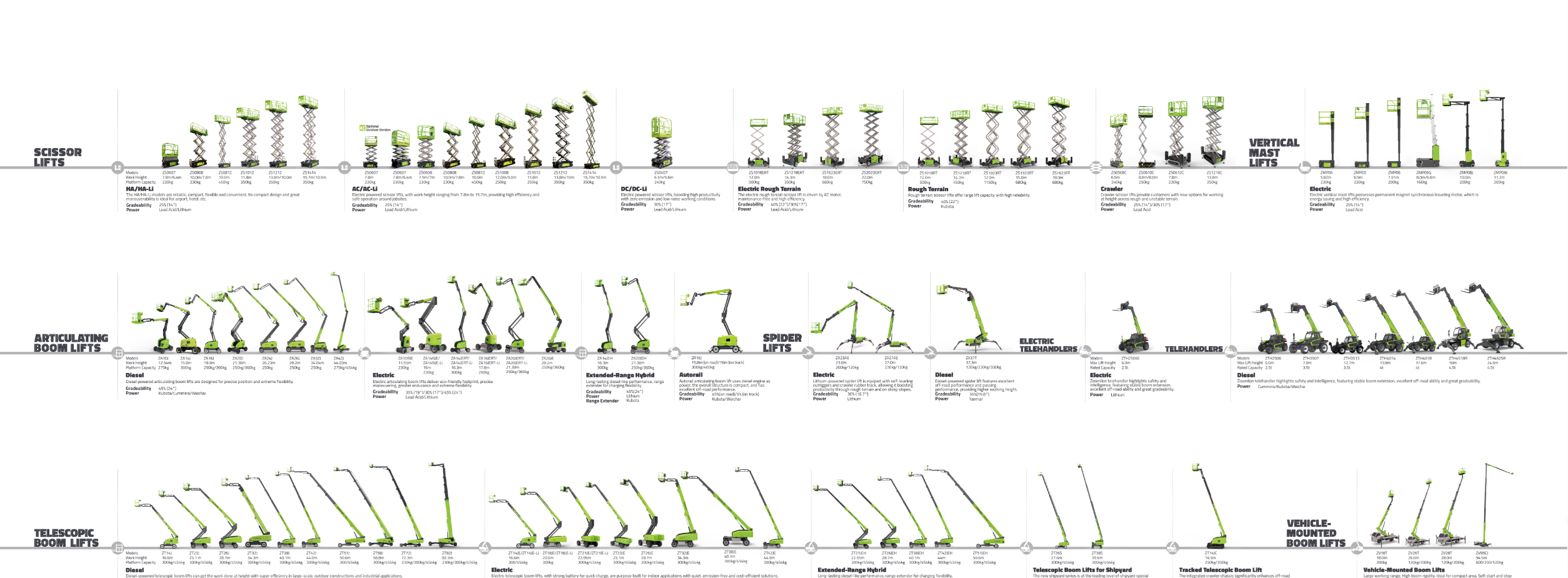
At BAUMA Munich I checked several articulating electric boom units and noticed electric drive options simplify noise and emissions concerns on indoor or airport-adjacent projects—use that insight when you evaluate electrified alternatives.
Common mistakes teams make
Don’t make these avoidable errors:
– Assuming a rotating telehandler replaces all cranes; it’s complementary for mid-range lifts and versatile placement. – Overreaching without stabilizers, which reduces capacity and risks tipping. – Ignoring maintenance on slewing and hydraulic circuits — rotation loads demand robust service intervals.
Alternatives to consider briefly
If the job is mostly vertical hoist work or extremely heavy lifts, a lattice crane or mobile crane still beats a telehandler. For confined vertical access where safety and footprint are primary, an articulating electric boom lift can be a better bet because it combines reach with cleaner operation indoors.
Wrap-up that tells you what to do next
If your projects need precise, multi-angle placement without juggling cranes and forklifts, a rotating telehandler reduces steps and human risk. Match machine capacity to your worst-case reach-plus-rotation scenario, train a dedicated operator, and plan staging to exploit the telehandler’s rotation instead of fighting it. For hands-on specs, parts support and a pragmatic view of electrified access equipment, Zoomlion Access is a realistic place to start the comparison and see which configuration fits the tasks you actually face.