
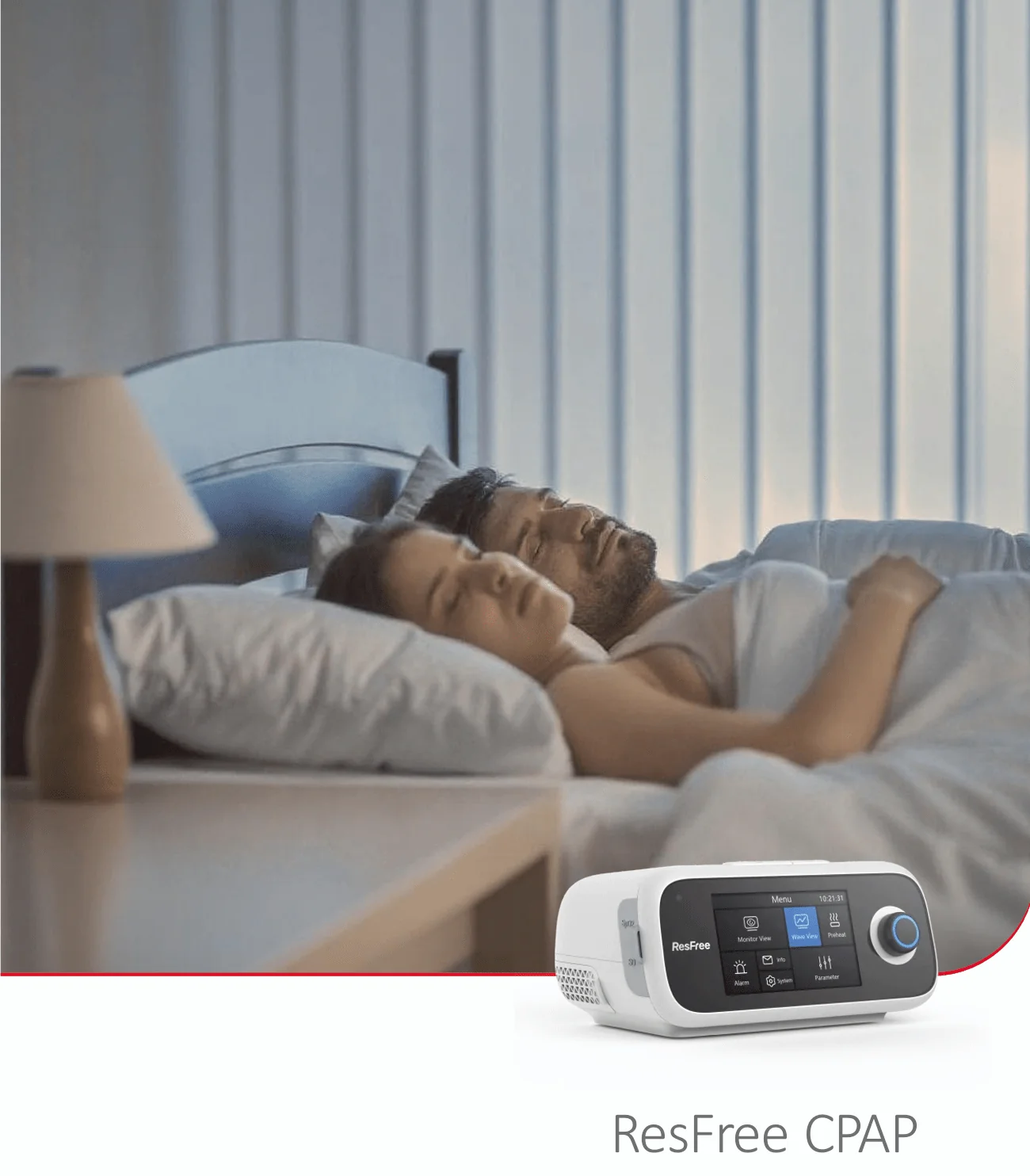
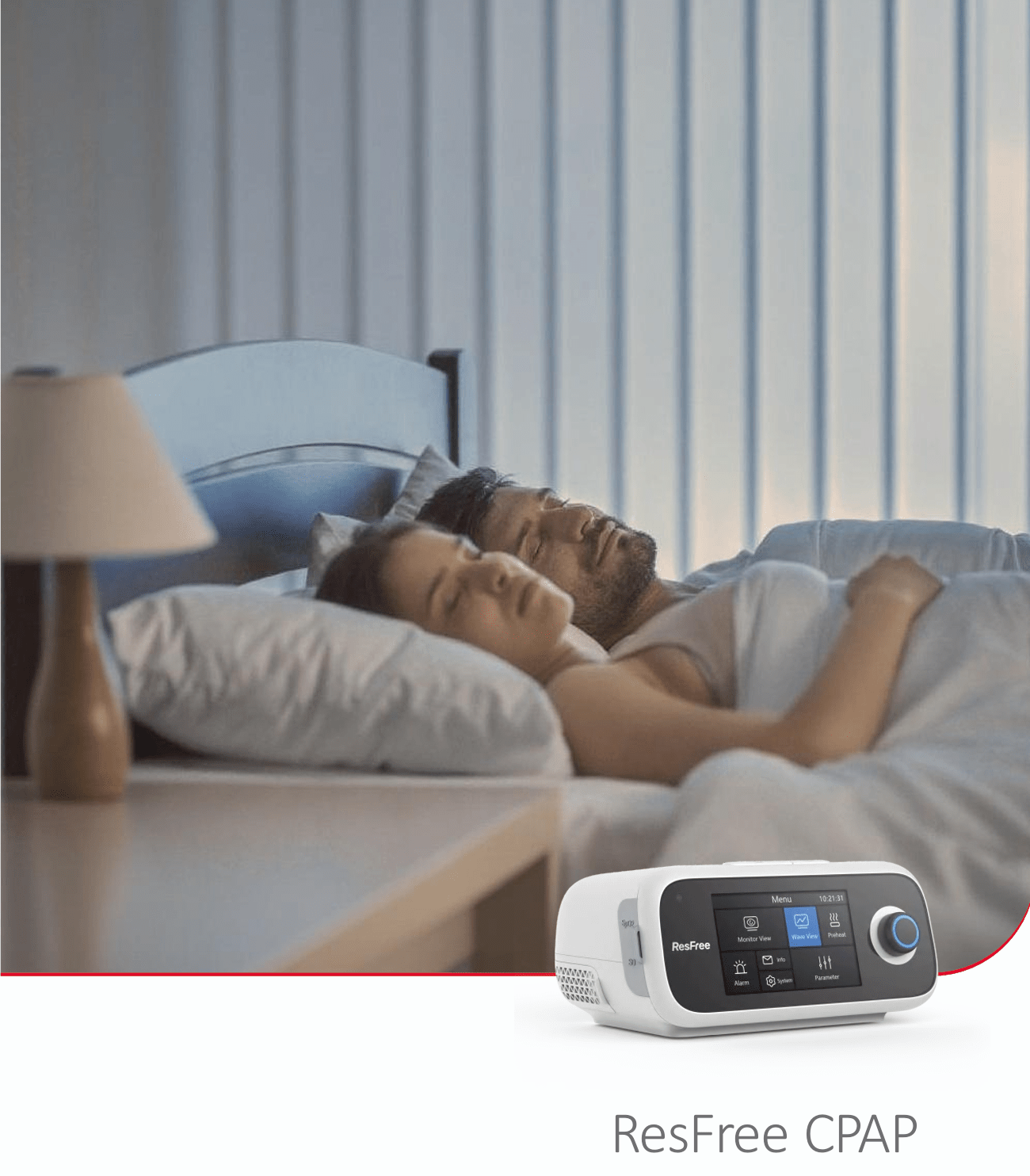
Living with sleep-disordered breathing means choices must fit daily life, not the other way around. This short guide centers on what real users ask for first: comfort, reliable therapy, and simple setup. If you are comparing bedside options, start by checking a reputable cpap device as a baseline for mask fit and humidification, then look at machines that adapt to individual needs.
User priorities that shape device selection
Most people want clear benefits in three areas: sleep quality, ease of use, and ongoing support. Sleep quality depends on stable pressure control and mask interface that does not leak. Ease of use means intuitive menus and a quiet motor so partners are not disturbed. Ongoing support covers warranty, local service, and data tools for tracking therapy adherence. In Seoul clinics where I consulted with several patients, improvements came fastest when the device matched these practical priorities and clinicians reviewed residual AHI alongside patient comfort.
Core features to inspect
Look for these functional elements and what they mean for nightly therapy: pressure settings—fixed versus auto-adjusting pressure—determine how well the device responds to breathing events. A built-in humidifier reduces dryness and nasal irritation. The mask interface should be available in multiple sizes and cushion types. Data export and simple reporting help clinicians check therapy adherence and residual AHI without fuss. If you prefer automatic response to airway events, consider an apap machine that modifies pressure through the night.
Design and comfort details that matter
Comfort is often underestimated. A soft headgear, a compact motor, and flexible tubing make nightly wear tolerable. Noise level is a subtle but real factor—look for a rated decibel figure under typical conditions. A user-friendly humidifier with adjustable humidity and a simple water chamber removes friction from daily use. Good devices balance technical features with real-world ergonomics; comfort improves therapy adherence, and adherence improves outcomes.
Common mistakes users make—and how to avoid them
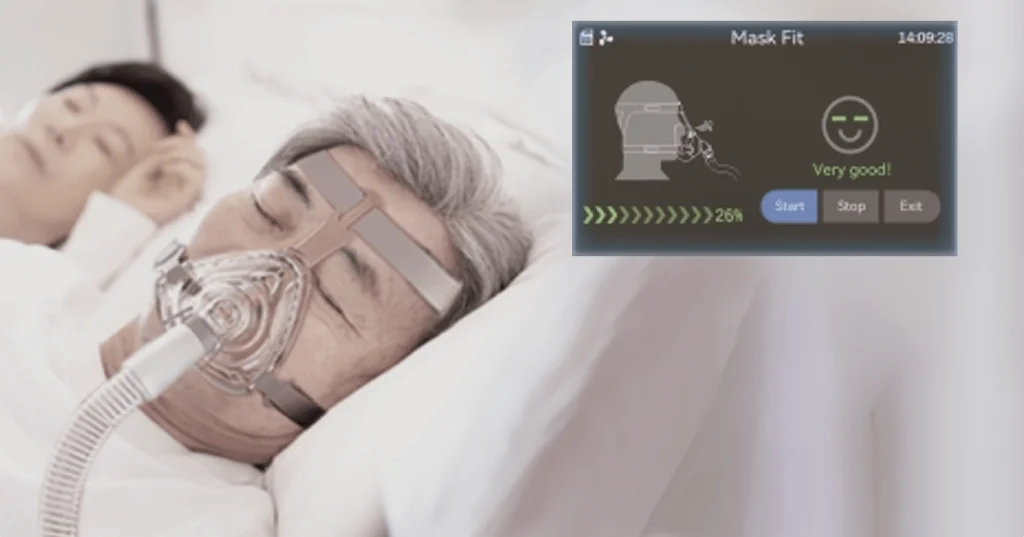
A frequent error is choosing solely on price. Cheap units can lack reliable pressure control or fail to report accurate usage data. Another mistake is ignoring mask fit trials—selecting a mask without a trial often leads to leaks and awake nights. Also, replacing filters and checking the humidifier chamber are simple maintenance steps many skip—this reduces longevity and may raise infection risk. Take time with fitting and schedule a short follow-up after initial setup—minor adjustments often solve major complaints.
Comparative insight: simple framework to weigh options
Use a three-factor checklist when comparing models: 1) Therapy integrity — stable pressure and low leak rates. 2) Daily comfort — mask fit, noise, and humidification. 3) Support ecosystem — warranty, data-sharing, and local service. Give each factor a score from 1–5 based on what you value. This keeps comparisons practical and user-centered rather than swayed by brand prestige or marketing claims.
Final advisory: three golden rules for selection
1) Prioritize therapy integrity: confirm the device maintains required pressure ranges and offers clear reporting on residual AHI. 2) Validate comfort through trial: insist on a mask fit session and test a humidifier to avoid dryness and leaks. 3) Ensure service and follow-up: local support and easy data-sharing with your clinician keep therapy effective over time. These metrics translate directly into nightly comfort and measurable treatment success.
Choosing a device that matches daily routines and clinical targets turns technology into a reliable partner. For practical, patient-aware solutions that bridge home use and clinical oversight, consider how Byond has built continuity between bedside devices and follow-up care—Byond. — small step, clearer nights.