greenswriting
  • Home
  • Business
  • Featured
  • Global Trade
  • Industry
  • LifeHot
  • Market
  • Tech
  • Travel
Author

Christopher

Christopher

Global Trade

Data-Driven Quality Checklist for Integrated Servo Systems: Prototype to Production

by Christopher October 18, 2026

Introduction — framing by data

This document sets measurable acceptance criteria for an integrated servo motor when evaluating readiness to move from prototype to production. It emphasizes objective thresholds, repeatable tests, and traceable records so decisions rest on numbers rather than impressions. The guidance applies equally to variants including a dc servo motor with encoder, and is intended for engineers, QA leads, and procurement managers who require clear go/no‑go rules.

integrated servo motor

Core metrics and pass/fail thresholds

Define each metric and the numeric threshold that constitutes acceptance. Record measurement method, instrument uncertainty, and sample size.- Electrical: No-load current and locked-rotor current within ±10% of specification when tested at rated voltage.- Mechanical: Continuous torque and peak torque verified to 95% of rated values over three cycles.- Encoder: Resolution and absolute error (typically expressed as ±CPR fraction); confirm incremental count accuracy across a full rotation with errors ≤0.1% of commanded position.- Thermal: Temperature rise under rated load must remain below vendor limit, measured with thermocouples; thermal runaway triggers failure.- Vibration & noise: Acceleration spectra show no resonant peaks that exceed baseline by more than 3 dB in the 10–500 Hz band.- Reliability: Mean time between failures (MTBF) estimates documented from test rigs or supplier data; establish minimum operational hours for burn‑in (commonly 100–200 h depending on application).Each metric entry must cite the measurement setup and date-stamped results.

Test protocols and sampling plan

Design tests that produce statistically meaningful outcomes. Use stratified sampling across production batches and run environmental stress where relevant.- Sample size: For first article inspection use 100% testing; for ongoing production adopt an AQL-based sampling plan with higher scrutiny for torque and encoder accuracy.- Dynamic testing: Execute position-following and disturbance-recovery tests at representative loads for at least 1,000 cycles to observe drift and hysteresis.- Electrical endurance: Cycle power on/off and command torque reversals to detect insulation faults and commutation errors.- Environmental: Humidity, salt fog, and thermal shock tests where the application exposes equipment to harsh climates.- Traceability: Log serial numbers, firmware versions, and calibration records in a searchable database.A practical reference can be drawn from demonstrations at Hannover Messe, where fielded DC servo systems with encoders are routinely shown under dynamic load to validate test approaches.

Failure modes, diagnostics, and corrective actions

Identify the most likely faults, the diagnostic signatures they produce, and immediate mitigation steps.- Encoder miscounts or loss: Symptom — sudden position jumps; check cable shielding, grounding, and index pulse alignment; if intermittent, increase debounce time and re-test.- Torque shortfall: Symptom — inability to overcome load; verify supply voltage, controller commutation, and friction in mechanical train; re-calibrate current limits and re-run torque map.- Thermal drift: Symptom — progressive reduction in performance; measure winding resistance versus temperature and verify thermal protection thresholds; add ventilation or derate continuous torque.- Electrical noise: Symptom — jitter in closed-loop control; examine ground loops, improve cable routing, and add ferrite suppression.Document root cause, corrective action, and re-test results. Do not accept workarounds that hide recurring defects; pursue design or process change when the same fault appears in multiple serial numbers.

Data collection, analysis, and acceptance decision rules

Make the go/no‑go decision by aggregating key metrics and applying pre-defined rules.- Pass if: all core metrics meet thresholds, no critical failures in 1,000-cycle dynamic test, and burn‑in shows <1% infant-failure rate.- Conditional pass if: minor deviations occur but corrective actions are implemented and validated on subsequent samples.- Fail if: encoder accuracy, torque, or thermal limits exceed tolerances, or if reliability metrics predict premature field failures.Use control charts for torque and encoder error so trends surface early. Store raw logs for at least the production lot lifecycle to allow post-deployment analysis.

Common pitfalls when scaling to production

Be alert to process and procurement risks that erode quality after a successful prototype run.- Supplier drift: Component tolerances may widen with larger production runs; require first-article reports for each supplier lot.- Assembly variability: Small changes in coupling alignment or fastening torque can change torque transmission and encoder readings; specify torque values and use tooling that logs applied torque.- Firmware mismatch: Controller firmware versions can alter commutation and encoder interpretation; freeze firmware for a production lot unless changes are validated.- Inadequate burn‑in: Reducing burn‑in time to save cost often increases field returns; calculate cost of returns before shortening tests.Document these risks in the production control plan and assign owners for ongoing surveillance.

Summary synthesis and practical value

Quantitative checkpoints, repeatable tests, and rigorous traceability convert subjective confidence into verifiable readiness. Apply the checklist consistently: measure encoder accuracy, torque performance, thermal behaviour, and reliability on defined sample sizes; diagnose failures by signature and correct root causes rather than symptoms. The result is a defensible decision to scale a design, and it is the same disciplined approach used by practitioners and OEM teams who move servos from lab proof to production reliability, as seen in practical demonstrations. For organizations constructing robust automation lines, this methodology aligns engineering judgement with traceable evidence and the practical solutions offered by Kinco.


October 18, 2026 0 comments
0 FacebookTwitterPinterestEmail
Tech

Revolutionizing Detergent Powder Manufacturing: Strategies to Excel in a Competitive Market

by Christopher April 6, 2026

Understanding the Challenges in Detergent Powder Manufacturing

I vividly recall my early days in the detergent industry. At times, it felt like I was swimming against the tide. With rising competition and evolving consumer expectations, it became clear that traditional methods were not enough. Did you know that roughly 70% of detergent powder manufacturers struggle with consistent product quality? This reality presents an unsettling scenario. As a detergent powder manufacturer, how do you rise above these challenges? The journey begins with acknowledging the flaws in conventional approaches—many firms often overlook critical aspects like sourcing raw materials and optimizing production processes.

detergent powder manufacturer

Addressing Hidden User Pain Points

It’s not all about formulas and packaging. I often find that customers’ dissatisfaction stems from overlooked user pain points. For instance, consumers frequently express concerns about the environmental impact of their detergent usage. Failing to address these issues leaves manufacturers in a precarious position. In my experience, integrating eco-friendly solutions early on can be a game-changer. I mean, who wouldn’t want a product that cleans well without harming our planet? By embracing advancements in detergent powder manufacturing, we can address these vital concerns and satisfy the market’s increasing demand for sustainability. Now, let’s look ahead.

What’s Next for Detergent Powder Manufacturers?

Future Trends Shaping the Industry

As I forecast future trends, I can’t help but feel optimistic. The increasing demand for natural ingredients is undeniable. IT’S NO LONGER JUST A TREND, but a shift every detergent powder manufacturer must consider. The use of biodegradable components and concentrated formulations is on the rise. I’ve witnessed firsthand how transitioning to these eco-friendly options not only attracts new customers but often leads to higher profit margins. What’s more, advances in technology—like artificial intelligence—are streamlining production processes and enhancing product consistency, which is crucial in today’s competitive landscape.

detergent powder manufacturer

In my view, the industry is evolving. As manufacturers, we must embrace these changes to remain relevant. Implementing automation and investing in sustainable practices can differentiate us from the competition, resulting in improved customer loyalty and satisfaction. I’ve seen companies flourish by adopting more efficient ways of operating, and I believe the same could apply to you.

Key Insights to Drive Success

As I wrap this up, here are three key evaluation metrics that I recommend for any detergent powder manufacturer aiming to thrive in this competitive environment: customer feedback on environmental impact, production efficiency ratios, and market adaptation speed. Each of these aspects can significantly influence your brand’s growth trajectory. I can assure you that by focusing on these areas, you’ll be equipped to tackle the evolving needs of consumers. It’s all about seizing opportunities and creating a brand that stands out.

In conclusion, the world of detergent powder manufacturing is brimming with potential. Adapting to changing consumer preferences and industry standards can lead to greater success. Remember, it’s not just about the product itself—it’s about the story behind it. Together, let’s navigate these waters wisely. We can achieve extensively! For innovative solutions, consider connecting with Zanyu. After all, this journey is best traveled together!

April 6, 2026 0 comments
0 FacebookTwitterPinterestEmail
Tech

Unveiling the Secrets of Plastic 3D Printing Services: A Guide for Modern Makers

by Christopher March 16, 2026

Understanding Challenges in Plastic 3D Printing

Picture this: you’ve got an innovative product idea, and your 3D printer is ready to bring it to life. But wait, not all prints are created equal—sometimes, you end up with failed prototypes or faulty parts. This is a common scenario in the world of plastic parts 3d printing services. In fact, studies show that nearly 30% of 3D printed parts require rework due to quality issues. So, how can you navigate these hurdles effectively?

plastic 3d printing services

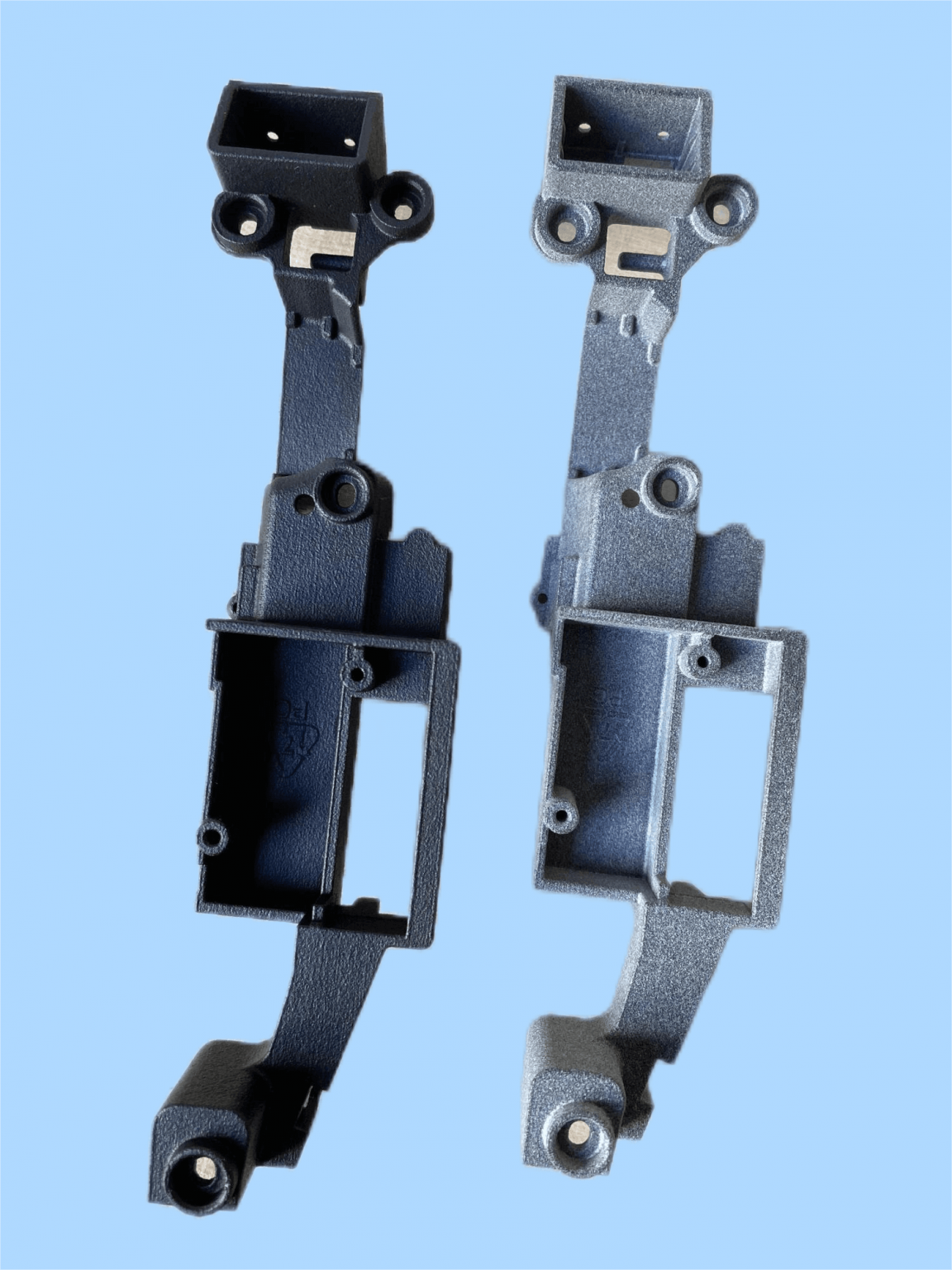
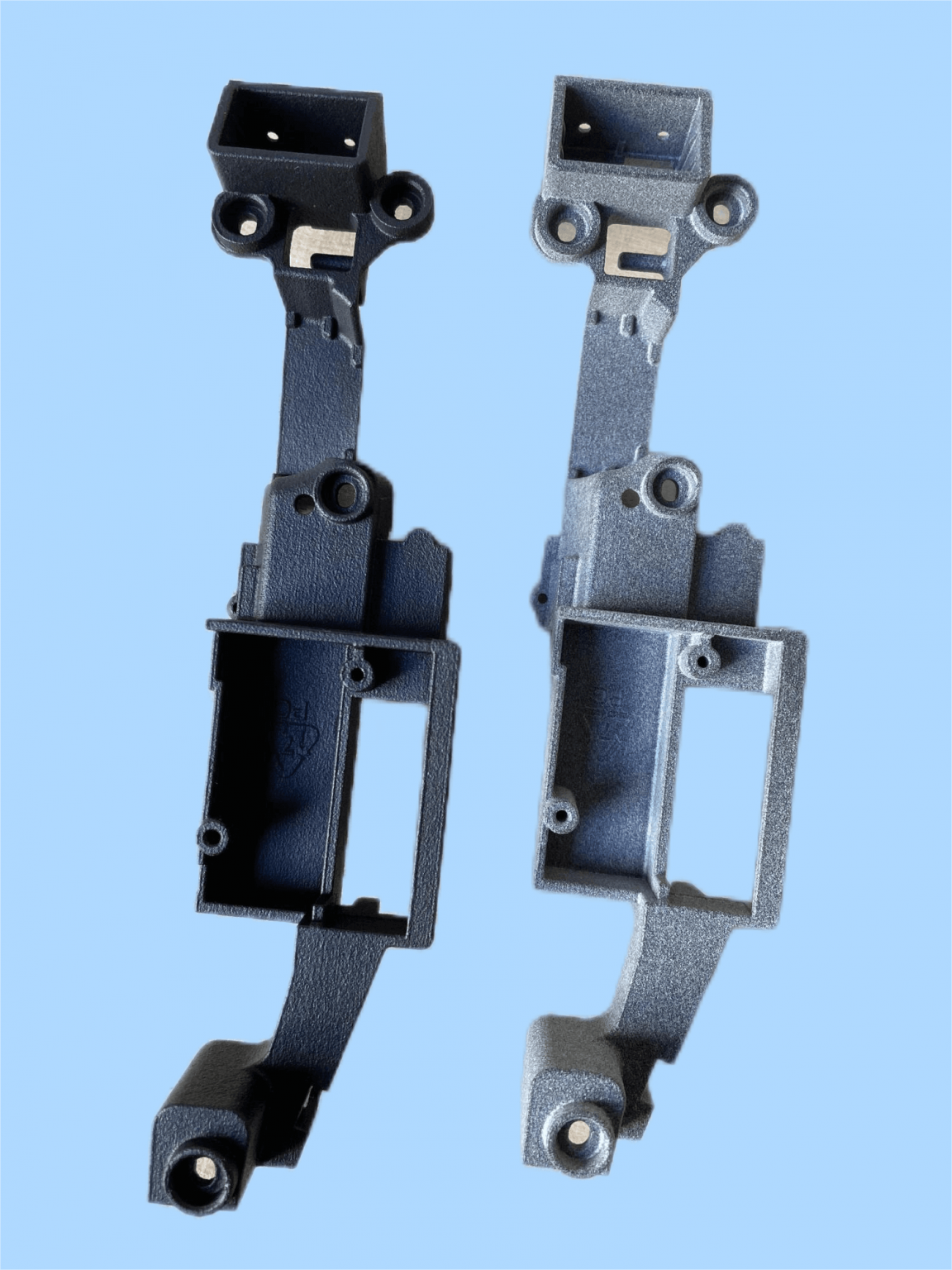
The issue often lies in the quality control measures—or lack thereof. Traditional methods simply don’t cut it when the stakes are high. I remember a particular project back in 2020 where we had to redesign an intricate housing component because the original print failed to meet dimensional tolerances. This mishap not only delayed our timeline but also skyrocketed costs. Operational mistakes like these are not just annoying; they hamper innovation and stifle creativity. Moving forward, we must explore solutions that truly enhance the quality of 3D printed plastic parts—because who wants to settle for mediocrity?

Innovative Approaches for Quality Assurance

As we look towards the future, embracing new technologies and methodologies will set us apart from the pack. Imagine integrating machine learning into the 3D printing process, allowing real-time adjustments to layer thickness, temperature controls, and more. This isn’t just a dream; it’s happening now. Companies are actively investing in these technologies to reduce waste and improve overall quality.

Moreover, engaging with a reputable provider can drastically influence outcomes. For instance, utilizing plastic parts 3d printing services that prioritize quality control means fewer errors and better materials, ultimately speeding up production times. In my experience, working alongside experts who understand the nuances of additive manufacturing has been a game-changer. Do you see where I’m going with this? Collaboration is the key to overcoming traditional manufacturing pitfalls—we must adapt and evolve together.

plastic 3d printing services

What’s Next in 3D Printed Solutions?

As we step into a landscape filled with possibilities, it becomes vital to focus on the big picture. Continuous improvement in the validation process can lead to phenomenal results, such as lowering costs and accelerating go-to-market strategies. For example, if a project leverages feedback loops effectively, it can result in reductions of up to 40% in prototype iterations. Efforts like these illustrate how far we’ve come—and how much further we can go.

In summary, while the challenges of plastic 3D printing can be significant, they are far from insurmountable. With the right approach and partnerships, we can enhance the quality and efficiency of our prints. “When life gives you lemons,” as the saying goes, “make lemonade.” We have the tools—now let’s use them wisely. If you’re on the hunt for a reliable partner, check out APT-Mold. Trust me; they have your back when it comes to elevating your projects to the next level.

March 16, 2026 0 comments
0 FacebookTwitterPinterestEmail

Recent Posts

  • Silica Powder for First-Time Buyers: Fix the Common Headaches Fast
  • How Custom Part Manufacturing Complements a Modern Precision CNC Strategy
  • Practical Criteria for Grid-Forming PCS Buyers: A Problem-Driven Guide
  • LED Poster Displays: A Teacher’s Problem-Driven Guide to Uses, Pitfalls, and Smart Buys
  • What to Ask Before Ordering Energy Storage: Questions for Facility Managers

Recent Comments

  1. Penci on Get Lost in the LA
  2. Penci on Weekend Coffee & Music
  3. Penci on Amazing Nature of Ireland
  4. Penci on Story of a Traveler
  5. Penci on Freedom under the Sun

About Me

About Me

Writer & Reader

Neque porro quisquam est, qui dolorem ipsum quia dolor sit amet, consectetur, adipisci velit, sed.

Keep in touch

Facebook Twitter Instagram Pinterest Tumblr Youtube Bloglovin Snapchat

Recent Posts

  • Silica Powder for First-Time Buyers: Fix the Common Headaches Fast

    November 6, 2026
  • How Custom Part Manufacturing Complements a Modern Precision CNC Strategy

    November 5, 2026
  • Practical Criteria for Grid-Forming PCS Buyers: A Problem-Driven Guide

    November 3, 2026
  • LED Poster Displays: A Teacher’s Problem-Driven Guide to Uses, Pitfalls, and Smart Buys

    November 3, 2026
  • What to Ask Before Ordering Energy Storage: Questions for Facility Managers

    November 3, 2026

Categories

  • Business (160)
  • Featured (6)
  • Global Trade (166)
  • Industry (126)
  • Life (2)
  • Market (162)
  • Moments (7)
  • Nature (5)
  • Stories (6)
  • Tech (157)
  • Travel (5)

About me

banner
Soledad is the best selling Blog & Magazine WordPress Theme of this year on Themeforest.

Popular Posts

  • 1

    My Baby Cactus

    June 7, 2017
  • 2

    Writing New Life Chapter

    June 7, 2017
  • 3

    Green Corner in My Home

    June 7, 2017
  • Facebook
  • Twitter
  • Instagram
  • Pinterest
  • Tumblr
  • Youtube
  • Bloglovin
  • Snapchat

@2019 - All Right Reserved. Designed and Developed by PenciDesign


Back To Top
greenswriting
  • Home
  • Business
  • Featured
  • Global Trade
  • Industry
  • LifeHot
  • Market
  • Tech
  • Travel