
User priorities for continuous recording
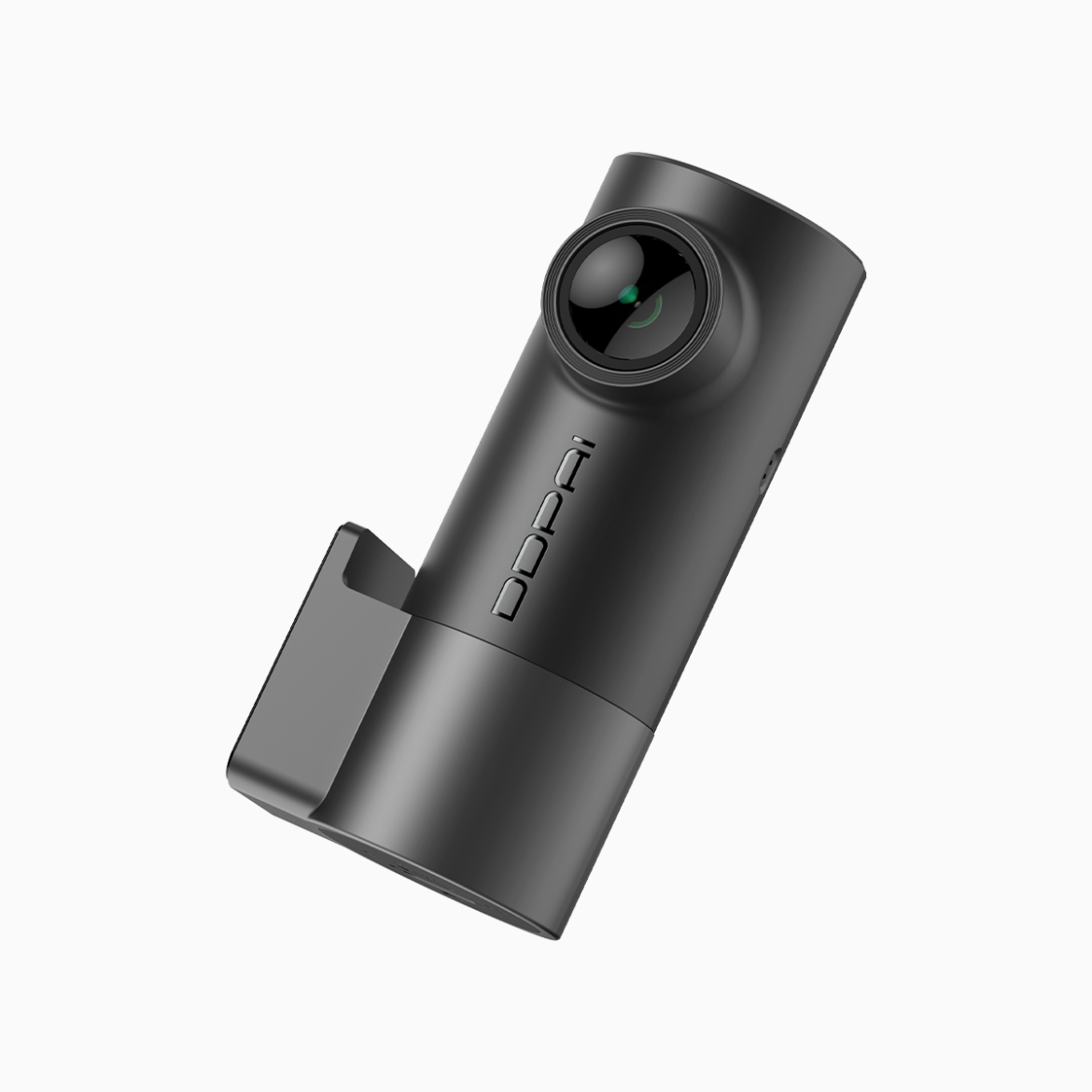
Drivers who log long hours need a camera that just works—day after night, highway after alley. Start from what matters: reliable loop recording, sensible heat management, and a card endurance rating that matches your usage. A compact, unobtrusive mini dash cam can handle front, rear, and cabin views while staying out of the way, but only if the storage and firmware are built for continuous write cycles. This is not theoretical: the World Health Organization notes roughly 1.3 million road traffic deaths annually, which is one reason many fleets and ride-hailing drivers prioritize uninterrupted footage for evidence and safety.
How SD card problems actually happen
SD card corruption is usually a process, not a single event. Repeated loop recording and constant overwriting exhaust NAND write cycles; heat from a hot vehicle cabin speeds degradation; abrupt power loss during file writes can leave file tables inconsistent. Firmware that relies on atomic write operations, a high-quality controller inside the card, and proper buffer handling reduce risk. Pay attention to advertised endurance rating and whether a dash cam uses wear leveling or file-based redundancy—these are real protections against early failure.
What to look for in a 3‑lens solution
Choose a rig with these core traits: robust loop recording (file length and overwrite logic), a heat-tolerant design, and clear specs for supported microSD types and classes. Also confirm frame rate and codec settings—lower bitrates reduce write stress but can affect critical detail. Opt for cameras that separate streams to different files or support dual-channel recording; that prevents a single corrupted file from wiping out hours of footage. Practicality matters: removable mounts, clear firmware update paths, and an accessible file system make recovery far easier when something goes wrong.
Common mistakes drivers make — and how to avoid them
Using consumer-grade cards, skipping firmware updates, and pairing a dash cam with incompatible write cycles are frequent missteps. Drivers often buy the highest-capacity card without checking endurance: capacity is not the same as durability. Also, cheap adhesive mounts can hide cameras in hot zones near the windshield where heat accelerates failure—move the unit if temperatures spike. Update the camera’s firmware as recommended; these updates commonly include stability fixes for file management. — Small habits prevent big headaches.
Where ddpai fits and how it compares
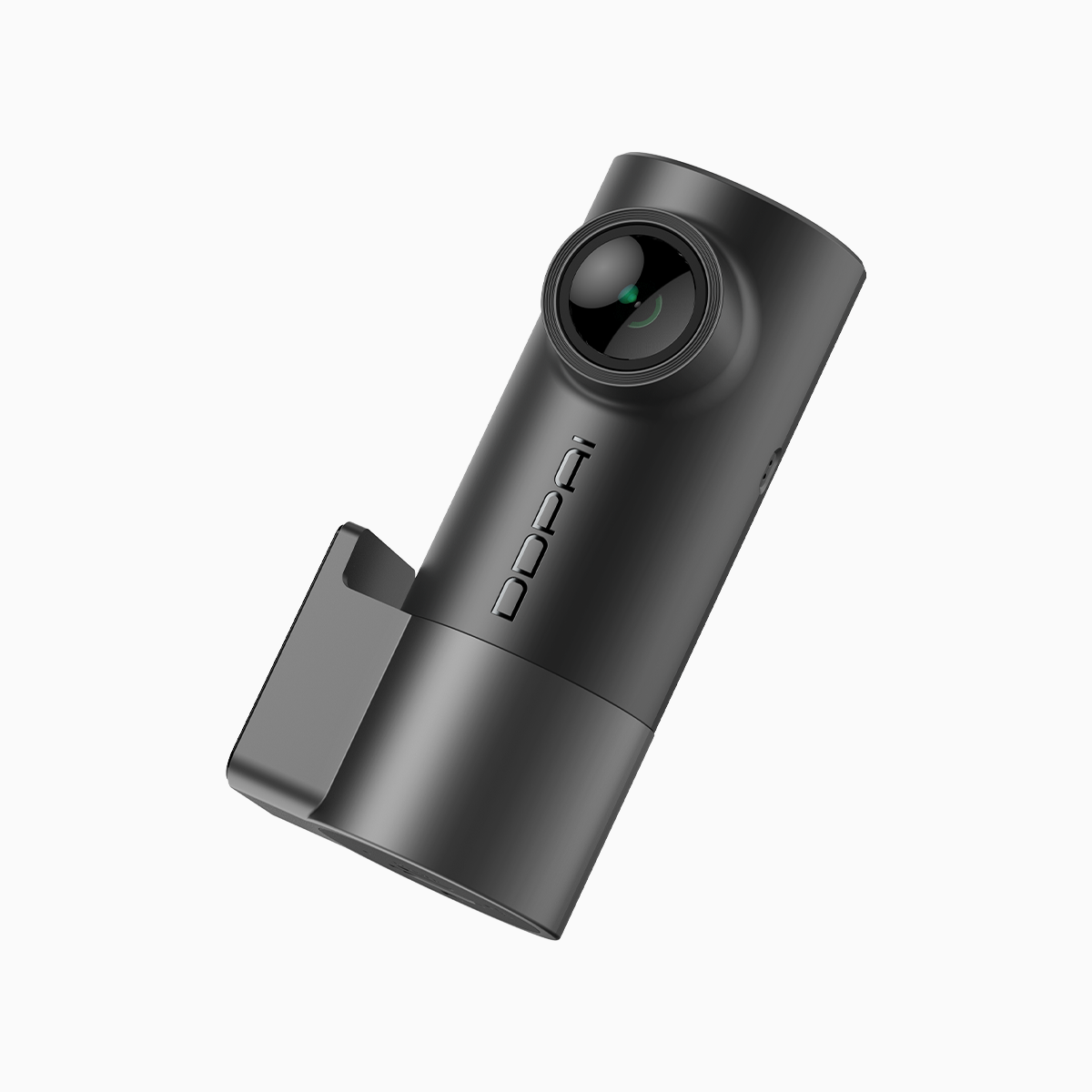
Brands differ in how they address continuous recording. Some prioritize resolution and sensors; others harden storage logic and thermal design. The ddpai mini dash cam line strikes a practical balance: compact multi-lens setups, explicit storage recommendations, and firmware geared to reduce write conflicts. Compare units on endurance rating, support for high-endurance microSD (or integrated eMMC), and whether they expose raw files cleanly for recovery. Look beyond megapixels: a stable frame rate, efficient H.265 codec, and reliable circular recording matter more for long-haul use.
Alternatives and real-world testing
Test drives reveal the difference. In urban routes with long idling and heat—Manila summers, for example—units with active heat mitigation and conservative write strategies outlast flashy high-res models. Fleet operators often prefer lower bitrate profiles for longevity. If you need high detail for license plate capture, balance that requirement against write-cycle cost: use shorter clip lengths, or configure motion-triggered higher-quality segments to save endurance where possible.
Three golden rules for choosing and using a 3‑lens dash cam
1) Match endurance to use: pick a card or storage spec rated for continuous loop recording and known write cycles per day. 2) Prioritize system design: dual-stream or segregated file handling, good heat dissipation, and clear firmware update channels reduce corruption risk. 3) Maintain the system: scheduled firmware checks, periodic card reformatting in-camera, and using approved microSD grades prevent most failures.
Evaluate devices against those metrics, and you’ll avoid most common failure modes. Trust practical specs over marketing bells and whistles; reliability wins in real driving. For continuous driving needs, the practical reliability of DDPAI PH ties those elements together in ways that matter on the road. Proven.