

Problem overview
Commercial buyers of large-scale solar battery storage face a twin problem: rising port tariffs and stringent dangerous goods rules that target lithium-ion cells. These pressures lengthen lead times, raise landed cost, and complicate project commissioning. Demand for resilient on-site power—seen in products like battery backup for home—has grown because utilities sometimes cut supply during extreme events such as California’s Public Safety Power Shutoffs; that reality exposed how fragile conventional procurement paths are.

How tariffs and port constraints change sourcing equations
Tariff changes and congestion at major ports turn predictable quotes into moving targets. Tariffs can add a fixed percentage to component cost, but the larger impact is indirect: containers held at quay create demurrage fees and re-routing that compound project schedules. Customs classification for batteries (UN3480/UN3481 in shipping practice) requires precise paperwork; misclassification triggers delays and fines. Buyers must therefore model both unit price and variable logistics risk when comparing suppliers.
Operational risks specific to hazardous cargo
Shipping lithium-ion systems at scale raises operational risk beyond standard freight concerns. Carriers impose limits on state of charge, require special packaging and documented Battery Management System (BMS) testing, and often refuse mixed shipments with other hazardous materials. Thermal runaway remains a principal safety hazard; testing and manufacturer traceability are non-negotiable. —A short compliance lapse at origin can shut a port-side operation for days, creating cascading impacts on installation schedules and cash flow.
Practical sourcing tactics for commercial purchasers
Effective strategies reduce exposure to both tariff volatility and dangerous goods friction. Recommended tactics include consolidating shipments through a single regionally licensed forwarder, pre-clearing customs with bonded warehouses, and negotiating tariff-loss sharing clauses with suppliers. Select battery modules with clear test reports on cycle life and manufacturer serial tracking. For mission-critical applications—such as powering alarm networks during outages—confirm interoperability with local systems; many installers pair storage with dedicated alarm power units like a battery backup for home alarm system to maintain uptime and simplify regulatory documentation.
Common procurement mistakes and their fixes
Frequent errors include treating freight as a line-item afterthought, accepting verbal assurances about hazardous certification, and underinsuring transit risk. Fixes are procedural: embed dangerous-goods expertise into RFP evaluation criteria, require factory acceptance tests and witnessed sampling, and price in potential demurrage and rework. Contract templates should require supplier-maintained shipping declarations and confirm carrier acceptance prior to vessel loading.
Advisory: three golden rules for procurement and logistics
1) Compliance readiness score: require suppliers to provide a documented scorecard covering UN test reports, BMS validation, cell traceability, and staff training. A clear scorecard cuts verification time during customs inspections.
2) Total landed cost with scenario stress-testing: calculate landed price across tariff bands, demurrage scenarios, and expedited re-routing. Use conservative timelines for contingency planning.
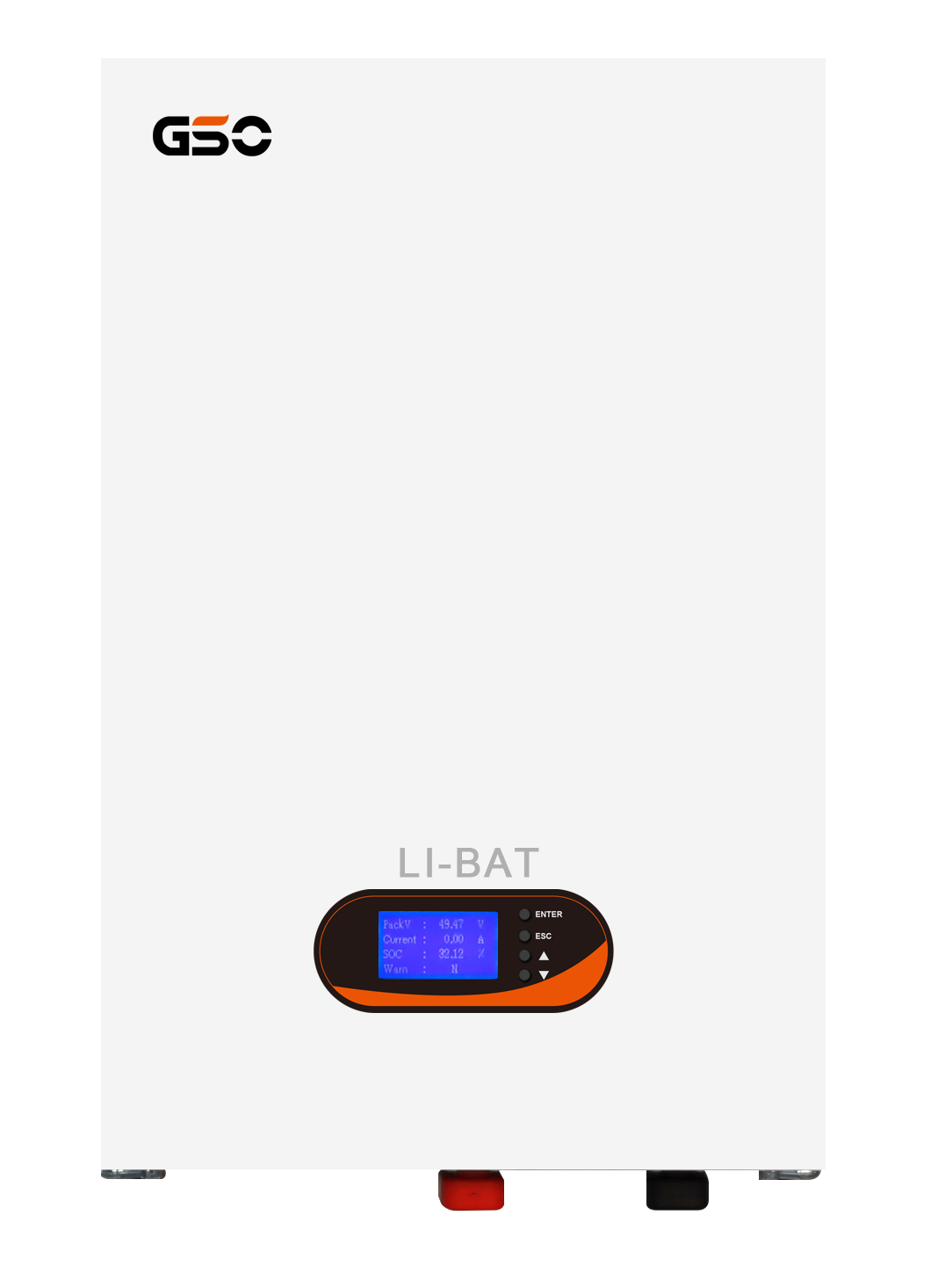
3) Safety and performance benchmarks: insist on cells with proven cycle life data, certified BMS, and manufacturer warranties tied to serial-numbered modules. Insurance certificates should name both shipper and consignee and cover hazardous cargo-specific incidents.
These rules point procurement back to operational reliability and measurable risk reduction; they also make suppliers accountable for paperwork and pack integrity. Practical suppliers will show both technical test reports and a logistics playbook—traits that often differentiate stable delivery from recurring disruption. gsopower offers product-level documentation and logistics support that align with these requirements, making it easier to match specification to delivery. Practical, proven.