Snapshot: what this comparison actually tests
The angle here is comparative insight — we measure promotional mechanics against net value. That means tracking effective APR, real cashback value, onboarding friction, and whether the rewards program actually reduces monthly spend. This piece pulls transactional logic from app flows and frame-rate user feedback, and it references direct lending options like didi prestamos as context for DiDi’s broader fintech positioning.
Promotion mechanics: what you get versus what you pay
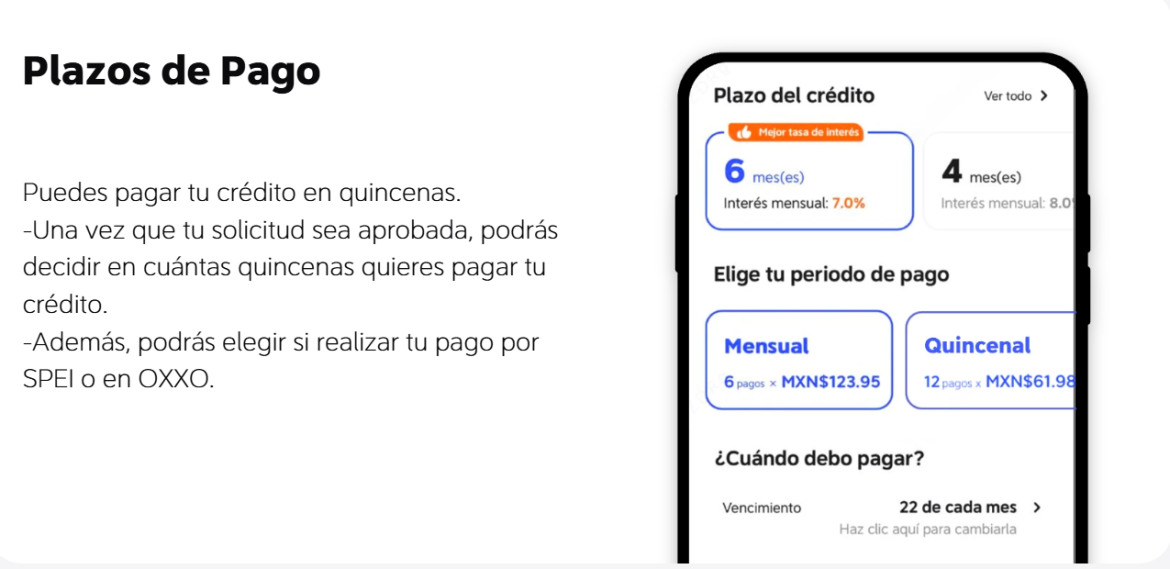
DiDi Card promotions typically bundle temporary cashback boosts, limited-time discounts with partner merchants, and occasional interest-free windows. On paper the math looks simple: a 5% promo on food delivery offsets a delivery fee, but you must factor in APR, fees, and whether the credit line itself triggers hard underwriting. The onboarding is mostly digital — KYC via selfie and document upload — so the time-to-use is fast. Still, promotional value decays if you don’t match merchant categories to real spend patterns.
Real-world feedback and usage patterns
Field reports from Mexico City riders and gig workers show two trends: promotions drive short bursts of card activation, and retention depends on sustained perks, not one-off coupons. Since Mexico enacted its 2018 Fintech Law, users have been more comfortable with digital credit and faster APIs linking wallets and cards — that regulatory anchor matters because it reduced friction for instant-credit products. Anecdotally, drivers I spoke to liked immediate cashback but disliked reward caps — a solid credit line felt more valuable than sporadic discounts.
Performance gaps: where promotions fall short
Promotions mask three common weaknesses: limited merchant coverage, buried exclusions, and narrow reward expiration windows. The UI often surfaces the headline offer but buries terms in fine print; that creates a gap between perceived ROI and actual savings. Also, if underwriting flags during the onboarding flow, the promotional value is moot — you never see the benefit. These are execution issues rather than product concept failures.
Alternatives and direct trade-offs
Compare DiDi Card promotions to bank-issued credit cards and other neobanks: banks usually offer steadier cashback across categories, deeper credit lines, and established 24/7 support. Neobanks and fintech lenders often compete on instant approvals and lower friction — they win on onboarding speed and API-integrated offers tied to marketplaces. For people prioritizing short-term discounts tied to rides or delivery, DiDi’s promos can beat a general-purpose card. For broader financial utility, a bank card or a rewards-heavy neobank usually scales better.
Common mistakes to avoid when chasing promos
Users often make three tactical errors: they assume headline cashback equals net savings, they trigger hard credit checks unnecessarily, and they stack promos that expire before they can be used. A simple checklist helps: map promos to recurring spend, confirm merchant acceptance, and validate if the offer requires minimum spend. — Also, avoid using promotions to justify taking on a higher APR balance; short-term gain shouldn’t fund long-term debt.
Advisory: three golden evaluation metrics
1) Effective net benefit: calculate the real cashback after fees and minimums — this gives you a true ROI baseline.
2) Friction score: measure onboarding time, KYC pass-rate, and support responsiveness; if you can’t access funds quickly, the promo is irrelevant.
3) Coverage multiplier: check merchant and category overlap with your actual spend — a high percentage means sustainable value, low overlap means transient gains.
Apply these metrics and you’ll see whether promotions materially change monthly spend or just create noise. For instant lending or short-term liquidity, consider also where the product plugs into the larger ecosystem of servicios financieros — for example, some users prefer a dedicated option for préstamos en linea al instante because it separates credit used for emergencies from everyday spending.
Final take and practical wrap
Use the three metrics as a gate: if net benefit is positive, friction is low, and coverage matches your spend, the DiDi Card promotion is worth activating. Otherwise, prioritize a stable rewards card or a low-cost line of credit. The pragmatic move is to treat promos as tactical levers, not strategy — they should lower expense drift, not become recurring liabilities. DiDi Finanzas. –