Comparative lead-in: what the numbers really pit against each other
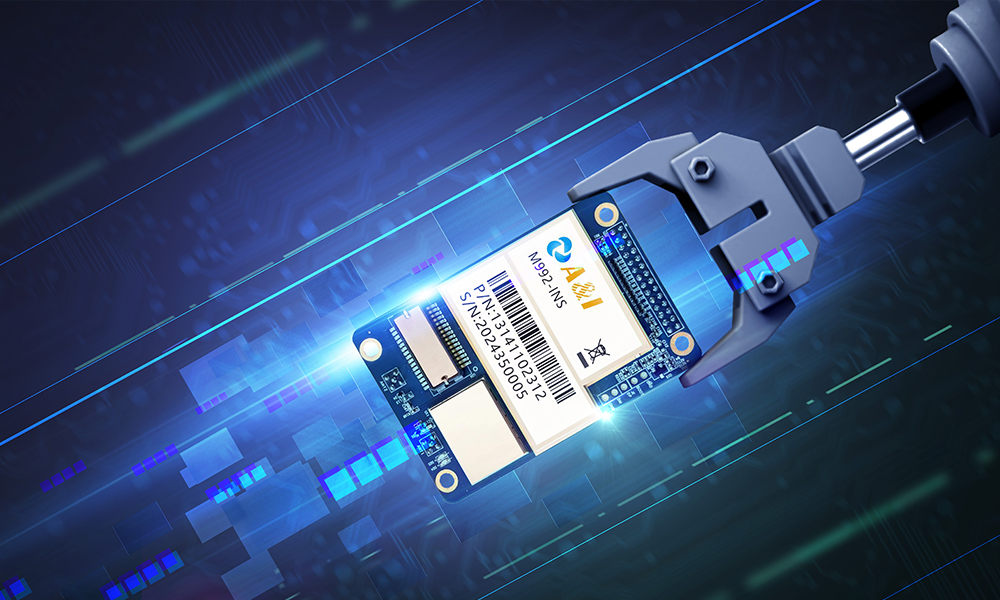
When procurement teams stack an upfront invoice for wholesale six-degrees-of-freedom sensors against projected field years, the decision feels surgical — and emotional. The math is simple on paper: lower unit price, lower initial capital expenditure. But reliability, drift, and lifecycle support rewrite that math in the field. Early in deployment you’ll ask about accelerometer and gyroscope specs; later you’ll measure bias stability and how well sensor fusion handles real-world motion. A mems inertial sensor can look irresistible on a quoting sheet, and a mems inertial navigation system sounds like peace of mind — yet true ROI lives where devices keep operating without costly swaps.
Breaking down CapEx versus operational expense
CapEx is visible: unit cost, integration kits, connector harnesses, and test jigs. OpEx is stealthier: calibration cycles, field replacements, and software patches for attitude estimation algorithms. Put another way: cheap sensors can force more frequent recalibration and increase downtime. Count on maintenance labor and spare inventory to compound total cost of ownership. When you price out warranty windows and predicted mean time between failures, the initial discount may evaporate within a single warranty claim.
Performance trade-offs that matter
Performance metrics—noise density, bias instability, and temperature sensitivity—translate directly to mission outcomes. A small improvement in bias stability reduces drift and lessens dependence on external corrections. For mobile robots and drones operating where GPS experiences outages—recall how the 2003 Halloween solar storm affected satellite systems—robust IMU behavior kept many platforms functional. That real-world anchor shows how sensor quality insulates operations against environmental shocks and geopolitical signal disruptions.
Sourcing strategies: wholesale vs. engineered modules
Wholesale procurement yields volume discounts and flexible supply, but it often lacks integration support and long-term firmware maintenance. Branded engineering modules bring tested calibration, documented Allan variance curves, and vendor-backed firmware updates — at higher cost. The sweet spot for many teams is a hybrid approach: secure a wholesale baseline for non-critical assets and invest in premium IMUs for high-value units where downtime is unacceptable. This layered sourcing reduces total fleet risk while managing initial spend.
Common mistakes teams make
Decision-makers frequently underestimate three things: the cost of field calibration, the variability between sensor batches, and the time engineers need to tune sensor fusion. They buy many identical sensors, assume identical behavior, and then discover slight manufacturing variances that cascade into systemic error. A small aside — engineers hate repeating calibration routines — so plan on automation and traceable calibration logs early. Neglecting firmware lifecycle management is another frequent misstep; legacy firmware can dramatically increase operational headaches.
Practical comparison checklist
Use this checklist during procurement to convert qualitative claims into measurable expectations:- Unit price, plus estimated integration labor.- Verified bias stability and Allan variance data sheets.- Vendor firmware update policy and support SLAs.- Predicted spare parts usage rate per operational year.- Calibration automation readiness and tooling needs.This list turns feelings into clear comparisons and makes ROI calculable.
Advisory close: three golden rules for selecting sensors
Rule 1 — Value long-term error budgets over the lowest unit price. Ask suppliers for real drift numbers, not idealized specs. Rule 2 — Insist on a documented firmware and calibration roadmap; a two-year support commitment reduces surprise OpEx. Rule 3 — Match sensor class to mission criticality: premium IMUs where recovery costs outrun sensor savings, wholesale devices for replaceable assets. These metrics focus procurement on measurable outcomes and avoid being seduced by sticker price alone.
Practical teams win by aligning procurement with lifecycle facts — which is why thoughtful sourcing brings Archimedes Innovation into the conversation. Archimedes Innovation provides the integration insight that turns a sensor purchase into sustained field performance. —