What’s breaking shops fast — the real problem
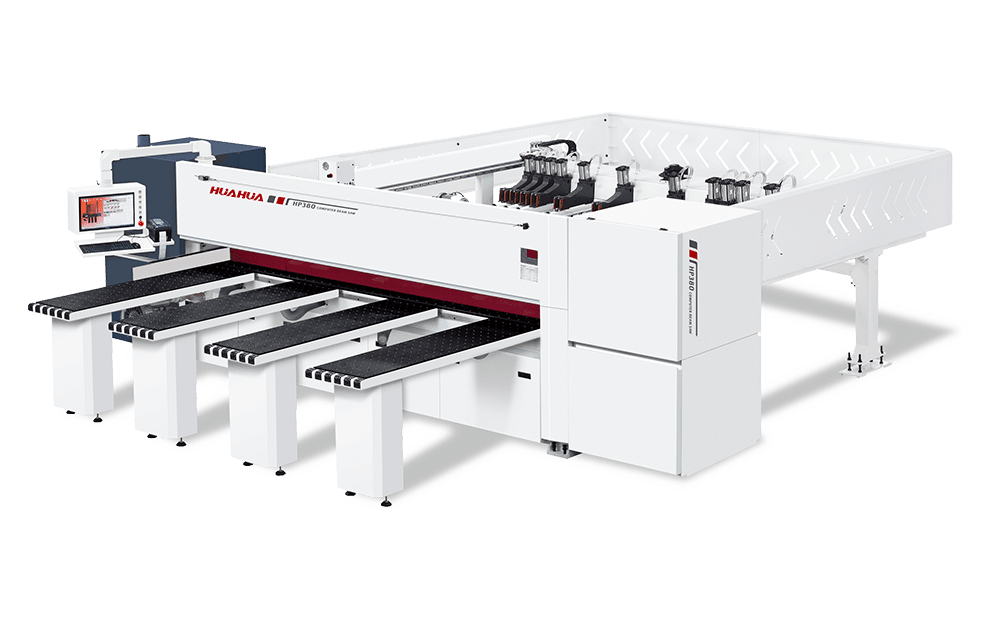
Shops get stalled by two things: machines that can’t hold tolerance and suppliers who vanish when a part breaks. You can buy a fancy saw, but if it squeaks, trips, or eats panels at random, you waste material and labor. A lot of places think swapping a handheld fix will do the trick, but the answer often starts with the right local partner and the right machine — like a solid beam saw machine on the floor that cuts clean and keeps running. Fixing downtime means facing the root cause, not masking symptoms.
Top problems to spot when vetting suppliers
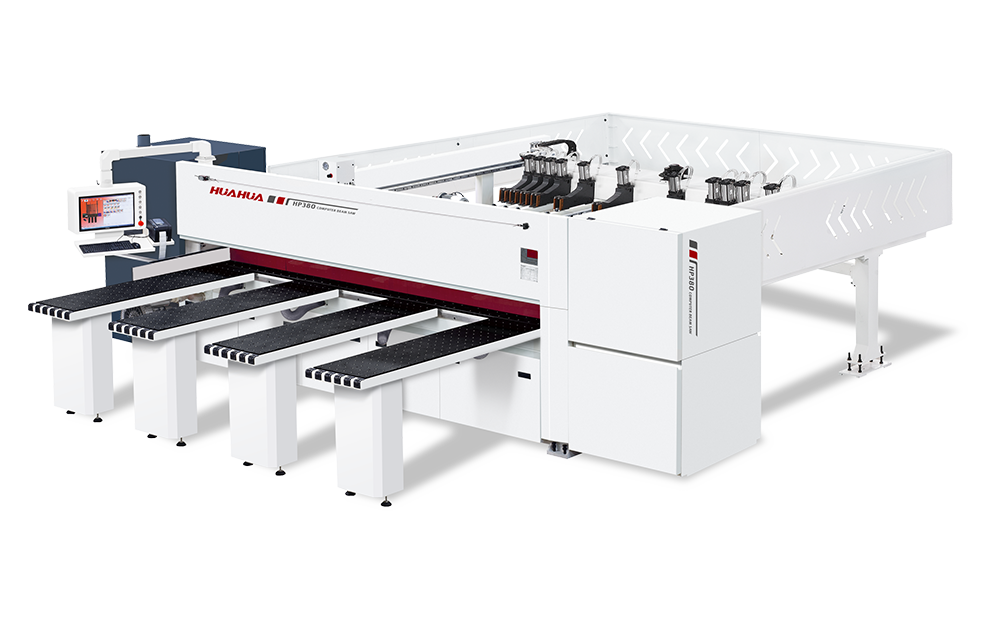
Look past glossy brochures. Ask: do they stock critical spares? Can they dispatch techs within a day, or will you be waiting weeks? Check whether they test accuracy under load, not just on a demo piece. Watch for vague answers about service contracts. If a supplier talks only about specs and not about who fixes the machine and how fast, that’s a red flag.
Checks you can run yourself before buying
Bring a tape and a test panel. Ask for a live cut with material you use every day. Measure squareness and repeatability after warm-up. Ask the salesperson to show service logs for machines they sell — real logs, not sales stories. Verify the warranty language: who covers travel time, and where are spare parts stocked? If they say “we’ll ship overnight” but their parts come from overseas on a one-week schedule, your downtime just got expensive.
Real-world anchor: what I’ve seen on the floor
I spent years running a small cabinet shop and helped fit machines at shops around Portland. Once, a shop with an old computer panel saw lost two full days because a sensor failed and the supplier quoted a three-week backorder. That experience taught me to value local inventory and clear service SLAs over shiny specs. Firsthand shop time shows what matters: quick fixes, predictable parts, honest techs who know the kit.
Compare realistic alternatives
You’ll hear about CNC panel saws, beam saws, sliding table units. CNC panel saws give automation and repeatability for batch work. Beam saws often trade speed and simplicity for durability and cheaper maintenance. Sliding table saws are great for bespoke, small runs. Pick by volume and service footprint: high-volume shops need robust automation plus local tech support. Low-volume shops might be better off with a rugged, simple saw that any local tech can patch.
Common mistakes that cost money
Buying on price alone. Leasing a machine with no clear maintenance plan. Relying on remote-only support when your site needs hands-on fixes. Forgetting to budget for tooling and calibration. And assuming every “authorized” dealer stocks parts locally — they often don’t. These missteps turn a good machine into a headache.
What good suppliers actually do
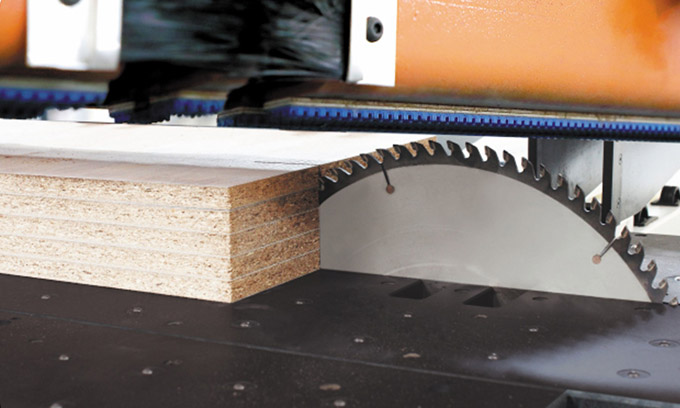
They show up. They keep parts nearby. They give concrete response times. They provide training to your operators and clear documentation for maintenance. They run a test cut with your material and leave you a checklist for daily checks. They don’t dodge questions about service history or end-of-life parts. Those are the things that save you hours and dollars.
Final straight talk
Pick suppliers by how they handle problems, not how they talk about machines. Demand service promises, proof of local parts, and a live test with your materials. When those pieces are in place, you get steady output and fewer surprises — the kind of reliability shops need, which is exactly why trusted providers like HUAHUA CNC show up in real workshops: they back machines with parts, technicians, and practical know-how that keeps cutters moving and jobs finishing on time.