Introduction — A Small Room, a Big Question
I remember sitting in a dim studio after a late rehearsal, tracing the fine lines around my eyes and wondering if a walk-in treatment could actually help. Around that same time I read a small survey showing many people try devices at home — and that pushed me to ask: how well do infrared beds perform outside a clinic? Infrared beds, with their warm panels and soft hum, claim to drive light into skin layers and boost collagen (some data says users report visible change in weeks). But do the claims match real results, or are we chasing glow? — let’s open the case and see where it leads.
Where the Home Solution Hits Snags
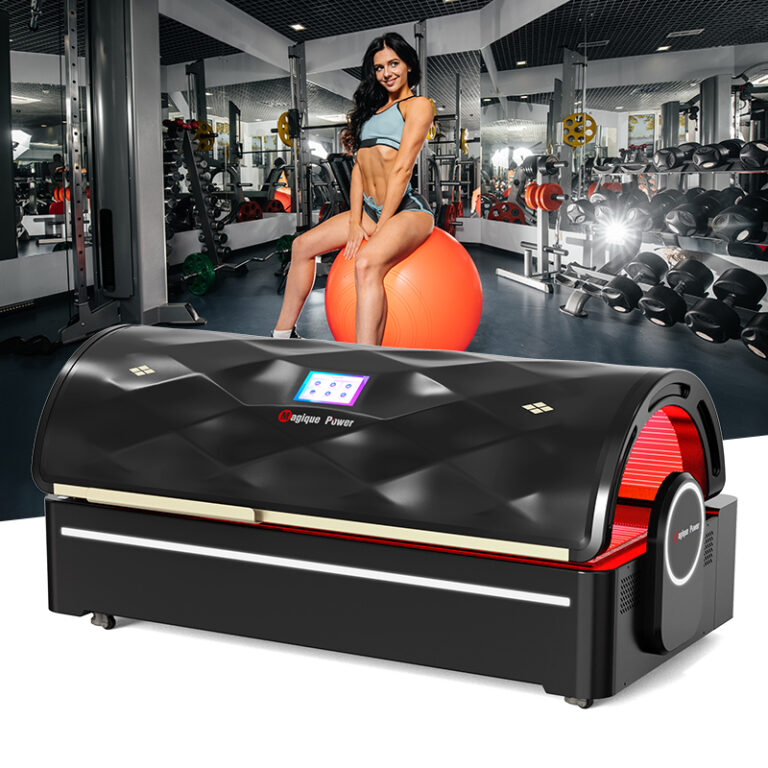
When I first tested a red light therapy bed for home use, I liked the idea: a steady LED array, set wavelengths, relaxed sessions. Yet technical design and user expectations often collide. Many home units simplify control circuitry and cut corners on thermal management to keep costs down. That makes them quieter and cheaper, sure — but it also means uneven heat, less consistent wavelength output, and shorter effective exposure. I call this the “storefront promise” problem: shiny marketing, flawed engineering.
Why does that matter?
Because skin response depends on dose and consistency. If a device has unstable wavelength spectrum or weak power converters, the energy reaching tissue varies. In practice, users see patchy results. I’ve spoken with folks who used a bed weekly for months and noticed little change — frustrating. Look, it’s simpler than you think: reliable LED arrays and steady power matter more than session length alone. We need proper light intensity and stable output to get the biological effect many of us want.
What’s Next — Practical Advances and a Forward View
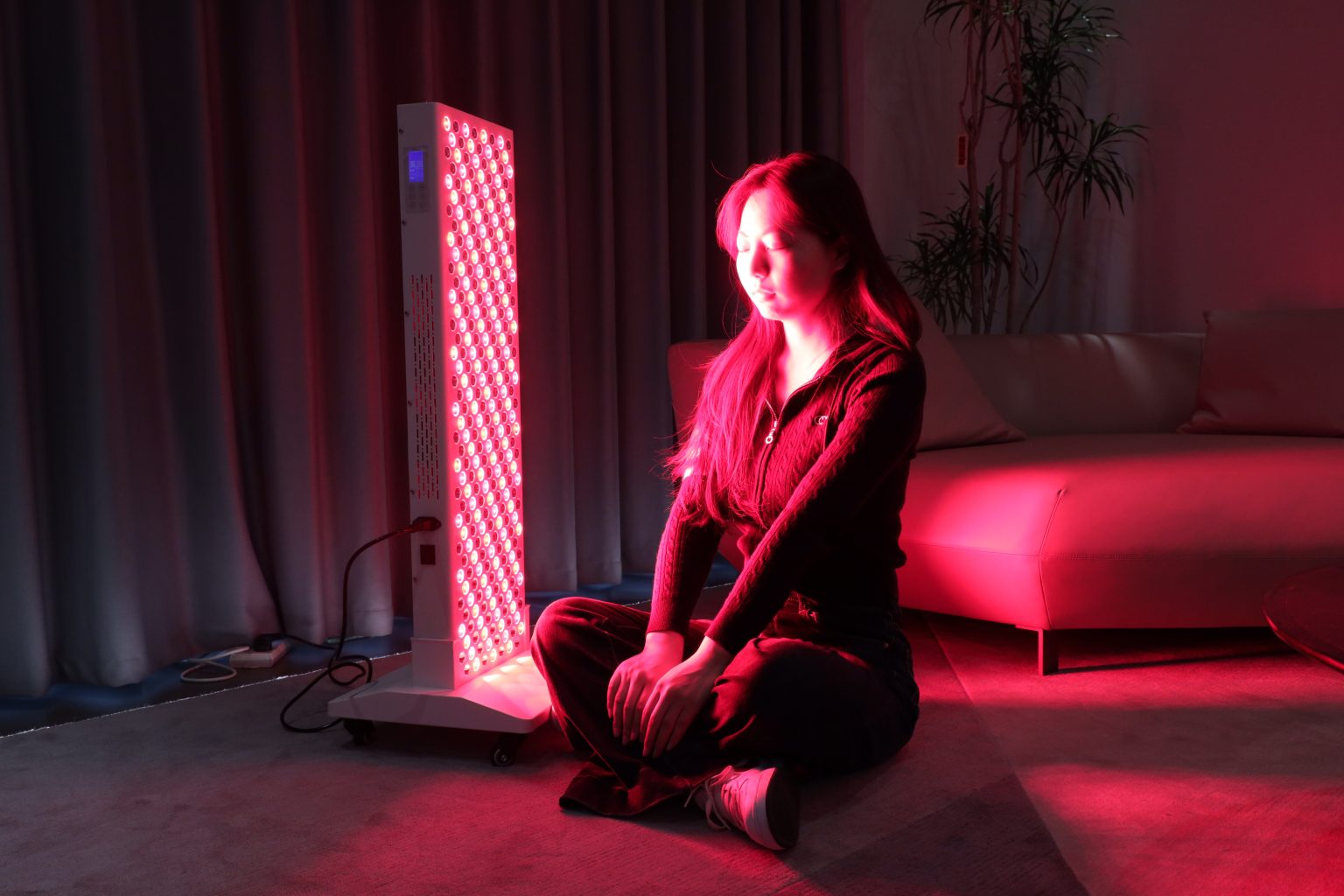
Looking forward, I see two clear paths: better engineering and smarter user guidance. New designs aim to pair accurate wavelength control with improved thermal management. For example, next-gen beds balance cooling fans and heat sinks so LEDs run in an optimal range. Manufacturers are also starting to include simple feedback — a session timer, intensity readout — so you know the device is delivering the right dose. If you’re considering a red light therapy bed for home use, think about devices that report output rather than just powering on.
Real-world impact?
I recently followed a small group using upgraded beds over three months. Those units had better control circuitry and steady wavelength output. Users reported clearer skin texture and fewer fine lines — measurable, but modest. And—funny how that works, right?—consistent use mattered more than once-off intensity. My takeaway: better-built units plus a clear plan give the best chance of improvement.
Closing Advice: How I’d Choose One Today
After hands-on time and talking to users, here are three simple metrics I use to evaluate a home red light solution: 1) Output consistency — does the device list wavelength and maintain it during sessions? 2) Thermal and electrical quality — are there cooling systems and decent power converters that prevent drop-off? 3) Usability and feedback — does it tell you dose and session time so you can follow a plan? I trust these over glossy claims every time.
We don’t need miracles, just sensible engineering, clear guidance, and honest expectations. I’m optimistic about the technology — I also remain picky. If you want devices that stand a chance, look for solid specs and verified user results. For reliable options and more details on specific models, check out Magique Power.