A World of Opportunities Awaits
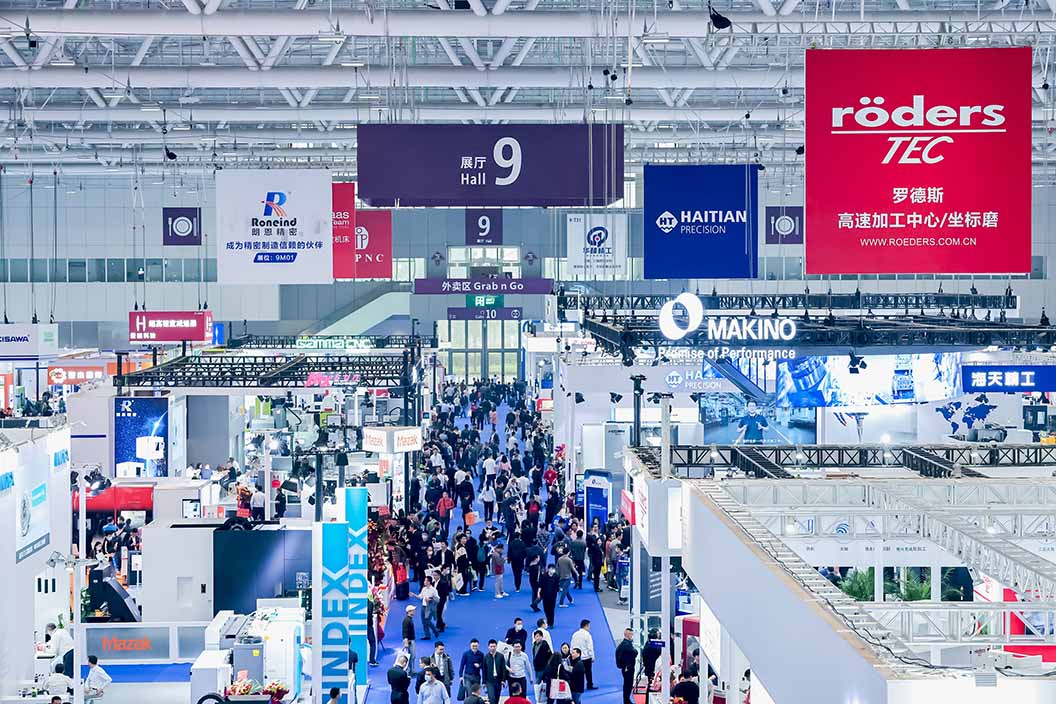
I remember the first time I walked into an industrial trade show. The vibe was electric, infused with potential partnerships and innovative ideas. According to industry reports, more than 70% of exhibitors find their next business partner at such events. But the real question is: what makes these exhibitions such game-changers for businesses today?
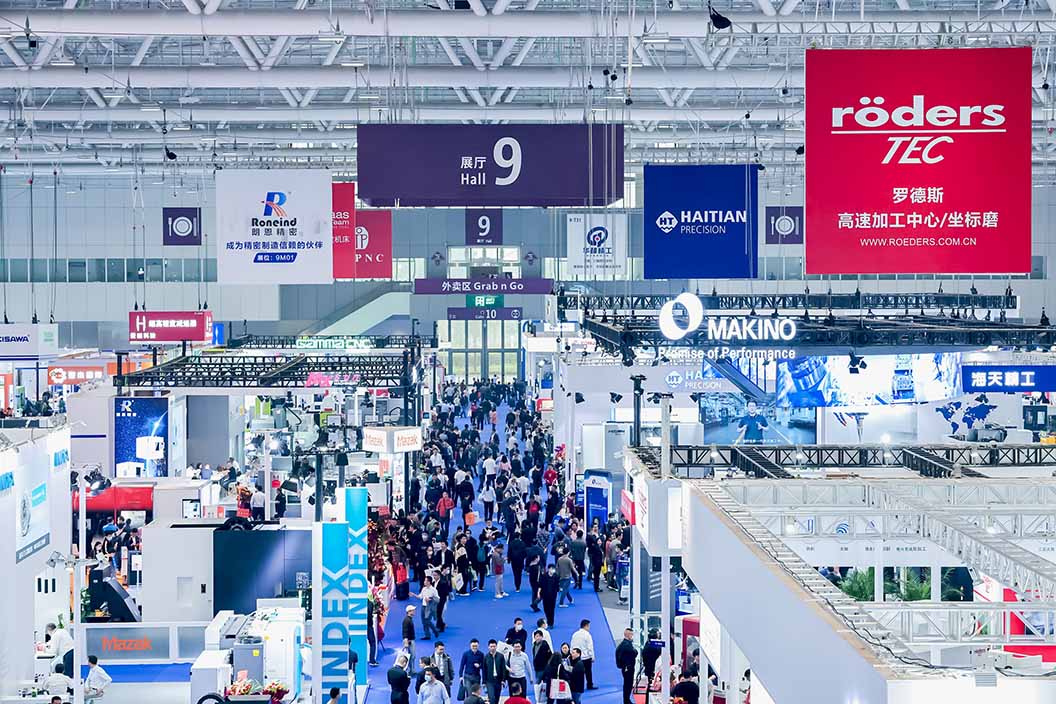
As a seasoned expert with over 15 years in the B2B supply chain sector, I’ve seen countless industries grapple with outdated methods of networking and product showcasing. Traditional exhibitions often struggled with poor engagement tactics and ineffective follow-ups. The challenge of connecting buyers with genuine prospects is real—many left these events feeling they hadn’t maximized their time or resources. But here’s the exciting part: technology is reshaping how we connect, sharing insights that could be the difference between a lackluster experience and a successful event.
Enhancing Engagement Through Technology
The digital age is paving the way for more engaging industrial trade shows. Picture this: augmented reality (AR) helps display products in immersive ways. Companies are now offering showcase experiences where you can visualize machinery in action. I recall a particular event in 2022 where an AR setup drew crowds—people were actually lining up to interact with a virtual model of advanced automation tech! That moment underscored how integrating technology can transcend mere product showcases into impactful experiences.
With tools like virtual reality (VR), exhibitors can now provide potential buyers with a hands-on experience without the physical presence—an incredible sell for busy professionals who may otherwise skip the event. This shift not only caters to the preferences of modern attendees but also addresses the pain points that often plague traditional setups, such as lack of interaction or high travel expenditures.
What’s Next for Industrial Trade Shows?
Fast forward to today, and the conversation is shifting from how exhibitions are currently organized to how they will evolve entirely. The integration of AI in lead capture and management ensures that attendees cannot only access tailored information during the event but also receive follow-ups post-show that are relevant to their interests. Imagine walking through an exhibition hall and having the opportunity to scan a code that instantly connects you with data or even 3D renderings related to the products you’re considering!
The landscape is promising, as technology addresses those hidden pain points of the past that left exhibitors feeling overlooked. By fine-tuning their approach through platforms that monitor real-time analytics, businesses can adapt their pitch based on the reactions and interests displayed by participants, leading to higher conversion rates. In the case of an industrial trade show I attended, companies reported a 30% increase in successful appointments due to utilizing smart scheduling tools and follow-up systems. It was a stark contrast to previous experiences!
Summarizing the Transformation
<pThe unfolding transformation of industrial trade shows is nothing short of remarkable. Technology is not just an accessory; it’s a core element of engagement. It appeals to the sensory experiences attendees crave while addressing prior inefficiencies that often hindered meaningful connections. I’ve seen firsthand how technological innovation boosts customer satisfaction—as well as exhibitor performance.

As we stand on the brink of substantial change, I strongly believe that the key to success lies in adopting these innovative tools. I would urge businesses to evaluate their goals and outcomes critically. The criteria for choosing the right solution can be boiled down to three essential metrics: audience engagement rates, follow-up effectiveness, and the conversion of leads to actual sales. Navigating the world of industrial trade shows needn’t be a daunting task, not with all these advancements at our fingertips.
The future of exhibitions is bright. It’s genuinely thrilling to see these shifts coming to life, pushing us toward more meaningful and impactful devices. Here’s to making the next ITES Shenzhen an unforgettable experience!