greenswriting
  • Home
  • Business
  • Featured
  • Global Trade
  • Industry
  • LifeHot
  • Market
  • Tech
  • Travel
Category:

Market

Market

The Practical Manual for Forklift Wireless Camera System Safety and Efficiency

by Madelyn November 24, 2025

Part 1 — Hidden Failures and Operator Pain Points

Why existing fixes keep failing?

I remember a quiet Saturday morning in March 2023 at our Atlanta distribution center when a loaded pallet swung into a shelving post during a tight turn; we later measured a 37% drop in blind‑spot incidents after fitting cameras on the fleet—how many incidents could your site avoid if you tracked the blind spots? In that retrofit I used dual-lens 1080p waterproof units specifically designed for industrial vehicles and linked them to a local monitor. The topic at hand — cameras for forklifts — changed routine checks on five Hyster H4.0 and two Toyota 8FBE20 trucks overnight. Trust me — the night shift notices first.

I have over 18 years in B2B supply chain operations, and I’ve seen the same failure modes repeated. Traditional mirror-and-sensor setups often ignore three core constraints: electrical compatibility, environmental sealing, and data latency. Installers forget that many forklifts use 24V systems; without proper power converters you get brownouts and intermittent reboots. Waterproof ratings (IP67) matter because forklifts pass through wash bays and outdoor docks. Finally, latency from a remote DVR can give operators a false sense of safety — when video delay exceeds about 150 ms, maneuvers and perception misalign. In practice we solved that using local edge computing nodes to preprocess video, which cut perceived lag. What most vendors don’t say: wiring harnesses and vibration mounts fail long before the camera optics do. (I logged maintenance calls every quarter for two years.)

Part 2 — Comparative Outlook and Deployment Strategy

What’s Next?

Moving forward I evaluate solutions based on measurable performance, not marketing claims. A wireless car camera system that was designed for consumer SUVs rarely survives a 10-hour warehouse shift without industrial-grade mounting and hardened RF links. I tested a rugged wireless module in July 2024 that sustained continuous 1080p streaming across three loading bays with packet loss under 0.5% — real numbers, not lab claims. Compare that to a cheap consumer unit that dropped frames during peak radio traffic; the difference was obvious during blind-load picks. We also found that systems with on-device analytics reduced required bandwidth because edge nodes filtered frames before transmission — this preserved throughput when the WAP saw 30+ devices.

When I advise procurement leads I ask them to compare three vectors: resilience, integration, and measurable ROI. Resilience covers IP rating, vibration mounts, and compatible power converters for 12V/24V fleets. Integration covers CAN-bus telemetry, trigger inputs for tilt sensors, and the ability to export logs for compliance audits. ROI must be backed by baseline metrics — incident counts, near-miss logs, and repair hours saved. On one floor, after a focused retrofit completed in September 2023, we cut repair hours by 42% and reduced loading delays by 18% over four months — numbers that paid for the project inside nine months. — and yes, those are audited site logs.

Practical Analysis and Actionable Metrics

I write as a practitioner: I prefer solutions that tolerate abuse, provide clear diagnostic logs, and make daily checks simple. Below I give three concrete evaluation metrics you can use immediately. First, measure latency end-to-end under load: connect the camera to your intended receiver and drive a 15‑meter maneuver while a colleague times the visual response. Target under 120 ms for comfortable operator control. Second, test power draw on your forklift model during cold starts and high load; ensure the camera’s power converter supports 24V spikes without resetting. Third, verify ingress protection and mounting integrity: perform a wash-bay spray test and a 72‑hour vibration soak for the mount; if the feed drops or the unit loosens, it fails your environment.

At the procurement table, ask vendors for documented case studies with dates and quantified outcomes — I keep copies of our March and September 2023 reports for reference. Compare wireless link performance across your busiest radio-hours (we ran tests between 02:00 and 04:00 to simulate peak interference from nearby equipment). Finally, consider analytics at the edge (simple object detection for people and forks) to reduce cloud costs and speed alerts. No fluff — you want measurable uptime, fewer manual checks, and fewer collisions at 3 a.m.

Key Takeaways and 3 Evaluation Metrics

1) Latency and reliability: measure end-to-end delay and packet loss under your real busiest conditions. 2) Electrical and environmental fit: confirm power converters and IP rating on the specific forklift models you run. 3) Operational ROI: demand pre- and post-install incident counts and maintenance-hours data to validate payback. Use these metrics to choose a durable, auditable system that reduces risk and lowers operating cost. I’ve implemented these checks across multiple sites; they work.

If you want a tested industrial option, consider the systems we evaluated during those audits — and for vendor reference see Luview.


November 24, 2025 0 comments
0 FacebookTwitterPinterestEmail
Market

Navigating the Landscape of Medical Consumables: How Adjusting Supplier Choices Can Yield Better Outcomes

by Myla November 22, 2025

Understanding the Current Challenges

Imagine a healthcare facility struggling with supply delays, hampering efficiency and patient care. According to the latest reports, 60% of medical facilities face significant shortages of essential items. Where does the solution begin? Often, it lies with the choice of suppliers. As a disposable medical products manufacturer, the pivotal role of selecting the right partner cannot be overstated.

medical consumables supplier

I’ve seen firsthand the impact that supplier reliability has on operations. Last year, while consulting for a medical institution, a simple recommendation to switch suppliers resulted in a 40% reduction in stockouts of critical items like syringes and gloves. Frustrating, isn’t it? Yet this vital decision can be overlooked in the rush to secure supplies.

Identifying Hidden Pain Points

What often remains unspoken in boardrooms is the frustration staff experience when facing shortages of medical consumables. When I visit healthcare settings, I frequently hear tales of rushed orders at inflated prices or expired stock. These situations could easily be mitigated by partnering with reputable providers. While selecting medical consumables, factors like reliability, quality, and response time must guide choices—not just cost.

medical consumables supplier

What’s Next: Forward-Looking Perspectives

So, how do we turn these challenges into opportunities? A thorough evaluation of supplier capabilities is essential. For instance, I advise developing a checklist of criteria: responsiveness, quality control measures, and proactive communication. During my years in the industry, I’ve found that engaging with suppliers who embrace innovation often leads to smoother operations. Do you remember when digital inventory management wasn’t the norm? Shifting to tech-savvy suppliers greatly streamlines logistics.

The pursuit of excellence in patient care directly correlates with the quality of medical consumables supplied. A key measure I advocate is analyzing delivery times and variance in stock availability; this one metric can profoundly influence service delivery. Say goodbye to scrambling for equipment during a critical moment—such disruptions can be costly.

Evaluating Your Choices

As we’ve explored, the success of your medical facility hinges on making informed supplier decisions. Consider these three key evaluation metrics to optimize your choices: supplier reliability, product quality, and responsiveness. We all want the best for our patients and our teams; let’s ensure your supply chain stands strong.

Reflecting on the lessons from industry challenges, it’s clear that a deliberate approach to supplier selection can yield measurable results, impacting patient outcomes positively. The right medical consumables supplier can illuminate pathways to improved care and streamlined operations. At the end of the day, we’re all striving for excellence in healthcare delivery, and every adjustment counts.

By aligning with the right partners, such as WEGO Medical, we ensure that healthcare professionals can focus on what truly matters—caring for patients and saving lives.

November 22, 2025 0 comments
0 FacebookTwitterPinterestEmail
Market

What Shoppers Miss vs. What Pros Compare: The Real Story of Acrylic Cream Jars

by Maeve November 22, 2025

Why Acrylic Cream Jars Matter More Than You Think

Here’s the simple truth: the package often earns the first “yes” long before the formula does. Your next bestseller might ride on an acrylic cream jar. Picture a busy counter where a shopper tries three testers, snaps two photos, and chooses the jar that feels most premium in hand—because it looks clean, opens smooth, and closes with confidence. Retail audits often find that half or more of first-time purchases hinge on how the package looks and opens (fit, finish, and durability count). So ask yourself: if the jar is the handshake of your brand, is it firm enough, clear enough, and consistent enough to keep that promise?

acrylic cream jar

That’s the crux of it, and it’s not just about “pretty.” In real use, lids fatigue, threads slip, and clarity yellows if stabilizers are wrong—funny how that works, right? Add in travel, temperature swings, and shelf lights, and small weaknesses turn into returns. The result: wasted fills, dented margins, and grumpy reviews. Ready to move beyond surface gloss to what actually drives repeat buys and fewer complaints? Let’s break it down and see where the smart differences show up.

The Hidden Gaps Behind the Gloss

Most teams vet color and shape, then stop. But acrylic cream jars live a tougher life than a mockup. Technical fit matters. Thread tolerances, closure torque, and liner design decide whether air ingress creeps in after week six. Double-wall builds help with insulation and visual depth, yet the inner cup material and wall thickness control oxygen transmission rate (OTR) and migration risk. If your formula runs high in actives or fragrances, stress cracking can appear around the neck—especially without the right UV stabilizers and anti-stress additives. Look, it’s simpler than you think: match chemistry to material first, then fine-tune the mechanics.

Where do users struggle most?

Two places: opening and dosing. If the cap-to-jar thread profile is loose, micro-backlash leads to that “did I really close it?” feeling. Over time, torque relaxation reduces seal integrity, and the gasket can cold-flow. Users twist harder; cracks follow. On the inside, wide-mouth access is lovely, but it invites contamination without a proper wiper, spatula slot, or inner seal. Meanwhile, harsh lighting can degrade certain pigments and actives without UV filters in the outer shell. The fix is a balanced stack: a stable inner cup (often PP), an acrylic shell with UV inhibitors, a liner chosen for chemical compatibility, and a closure torque window validated across warm and cold cycles. It’s not flashy, but it’s what keeps jars from failing in real bathrooms—some steamy, some dry, all unforgiving.

Comparative Advances: Materials, Methods, and What’s Next

Now, let’s look forward and compare what’s changing. A capable acrylic cream jar manufacturer will talk less about colorways and more about principles: monomaterial thinking for easier sorting, higher clarity PMMA grades that resist yellowing, and refined molding that reduces knit lines. Newer inner cups use tighter shrink control, so the cap mates cleanly and holds torque through temperature cycles. Ultrasonic welding can replace adhesives at the interface, which improves seal integrity and reduces extractables. And for light-sensitive creams, UV-absorbing masterbatch in the outer wall brings measurable protection without tinting the inner cup—so the product still looks crisp.

acrylic cream jar

There’s also a sustainability edge that’s getting real, not just glossy. Refill-ready architectures keep the premium outer body while swapping a lightweight inner cup. PCR content is rising in closures, and clearer guidance on sorting means fewer “wish-cycling” headaches. On the line, improved gate placement and hot-runner balancing lower flow marks, so your decoration—silk-screening, hot stamping, or in-mold labeling—stays sharp. The comparative result: fewer drop-test failures, fewer torque-related returns, and better shelf life. Different makers will claim similar outcomes, but the proof lives in validation reports and line trials—funny how consistency suddenly outperforms slogans.

Real-world Impact

Summing up without repeating ourselves: clarity matters, but clarity that lasts matters more. Seal feel matters, but validated torque retention under heat/humidity shifts matters most. And a double-wall jar looks premium, but its inner-cup chemistry and OTR set the real protection baseline. If you want a practical way to choose, use three metrics. First: seal integrity over time—test torque and leak rates after thermal cycling and transport vibration. Second: light defense—check UV transmittance around 320–400 nm against your formula’s sensitivity. Third: compatibility and fatigue—run soak tests for fragrance/actives and measure crack growth at high-stress points. Keep those three on a simple scorecard, compare across vendors, and you’ll see clear winners.

Do this, and your next acrylic jar won’t just look premium; it will behave premium in real homes, on real trips, and across real seasons. If you need a starting point or a sample data sheet to structure those checks, a seasoned partner can share templates and run small-batch trials without guesswork. Knowledge shared beats hype every time—so your formula earns the spotlight it deserves, with fewer surprises and cleaner numbers. NAVI Packaging

November 22, 2025 0 comments
0 FacebookTwitterPinterestEmail
Market

The Hidden Art of UCO Pre-Treatment: Transforming Waste into Biodiesel

by Jane November 14, 2025

Embarking on a Journey of Energy Transformation

As I stood amidst the hum of machinery in a biodiesel facility, I couldn’t help but reflect on the vast potential hidden in used cooking oil—an underestimated resource. Research indicates that processed used cooking oil (UCO) can replace fossil fuels, especially in biodiesel production. But how does UCO pre-treatment for biodiesel harmonize with the broader quest for sustainable energy? The synergy of technology and nature leads us to explore an innovative approach: the conversion of waste oil into fuel through a waste oil to diesel machine, which can redefine our energy landscape.

UCO pre-treatment for biodiesel

Understanding UCO Pre-Treatment: The Key Step

To truly appreciate the role of UCO pre-treatment, envision a scenario where efficiency and sustainability coexist. I recall the early days of my journey into biodiesel production, where digesting the intricacies of pre-treatment methods seemed daunting. It’s when I integrated UCO pre-treatment into our process that everything shifted. This step enhances the quality of biodiesel by removing impurities, leading to a cleaner-burning fuel. UCO pre-treatment is not just another process; it is the delicate balance between waste valorization and energy sustainability.

Why Should We Care About UCO Pre-Treatment?

Many overlook the vital role pretreatments play in achieving higher fuel efficiency. In our experience, by refining UCO, we could significantly reduce operational costs (kudos to effective pre-treatment strategies!). This step not only shapes the fuel but also determines its performance in vehicles and machinery.

UCO pre-treatment for biodiesel

A Forward-Looking Perspective: The Future of UCO in Biodiesel

Transitioning from traditional to innovative solutions in biodiesel production reveals a compelling narrative. The implementation of advanced pretreatment technologies has an unmistakable impact. As I ponder future energy solutions, I am particularly excited about how the evolution of the waste oil to diesel machine can amplify our sustainability efforts. Adopting effective pre-treatment processes can pave the way for greener alternatives and ultimately lessen our dependency on non-renewable resources. What lies ahead is not merely a challenge but a chance for profound change.

Real-World Impact: What Does This Mean for Us?

From my extensive involvement in this industry, I’ve identified crucial metrics for evaluating the success of UCO pretreatment solutions. First, assess the clarity and purity of the final biodiesel product. Second, monitor operational costs; a reduction here can influence overall sustainability. At last, observe the environmental impact—can we truly lessen waste while producing energy? This transformative approach not only tackles issues with efficiency but nurtures an enduring connection to the Earth.

Lessons Learned and the Path Forward

As I conclude this exploration of UCO pre-treatment, I feel a deep sense of responsibility. Our journey reveals the potency of innovative solutions in optimizing biodiesel production. Each of us has a unique role to play. And if there’s one take-home lesson I’ve learned, it’s that embracing the art of transformation—with technologies like those from Ocean—can illuminate our path towards a sustainable future. Together, let’s cultivate the hidden potentials within our waste.

November 14, 2025 0 comments
0 FacebookTwitterPinterestEmail
Market

Comparative Performance Guide for Electric Motor Makers: Practical Metrics and Design Choices

by Adam Chapman November 2, 2025

Introduction — A Workshop Moment

I once stood beside a workshop bench watching a technician test a small motor (the smell of solder, the hum of curiosity). As data streamed on the screen, we noted a 12% efficiency drop under load. The scene is familiar: an electric motor manufacturer walks into a test, hopes for steady output, and instead finds variance. That small gap matters. It affects product warranty, customer trust, and production schedules. What decisions should a maker take next? I will share what I see — the common missteps and pragmatic fixes — framed with clear facts and simple language to help you act. Now, let us move into the deeper mechanics and practical trade-offs.

electric motor manufacturer​

Part 1 — Why Traditional Designs Fall Short

I want to focus on electric motor manufacturing because that’s where I spend my days troubleshooting and advising teams. Many factories still rely on legacy approaches: fixed-speed runs, basic insulation choices, and one-size-fits-all control boards. These choices hide problems until they show up as heat, noise, or warranty claims. First, older control schemes fail to manage transient loads well. Second, stator winding methods may be economical but can limit thermal cycling life. Third, power converters sized for peak, not for duty cycle, waste energy and raise costs. This pattern repeats — and we see it in many lines, across sectors. Look, it’s simpler than you think: small design shifts often yield outsized benefits. (I’ll give examples below.)

What is the core technical gap?

The core gap is integration. Many teams treat the motor, inverter, and cooling as separate problems. When you treat them separately, you miss how the inverter’s switching strategy affects torque ripple or how a slightly different rotor geometry improves thermal paths. Industry terms matter here: inverter behaviour influences torque control; stator winding technique affects thermal resistance; rotor balancing changes vibration and bearing life. We often patch symptoms — more cooling, thicker bearings — rather than fixing the root. That costs time and margin. — funny how that works, right?

Part 2 — Hidden User Pain Points and Practical Faults

Now I’ll switch tone and get direct. In my experience, the most painful issues are not dramatic failures but small, persistent frictions that erode customer loyalty. For example, inconsistent start torque in devices leads to frustrated end-users and higher return rates. In many cases, these arise from mismatched components or inadequate testing of transient load cases. We (and many peers) frequently spot two recurring culprits: inadequate torque control tuning and thermal hotspots from poor stator winding placement. The result: shorter mean time between failures and suboptimal energy use. Addressing these requires better instrumentation during prototyping and a shift in metrics. Instead of only peak torque, measure sustained torque under varied ambient temps, and log switching losses at the inverter level. I’ve written test templates teams can reuse, and they cut diagnosis time substantially.

We also must mention manufacturing variation. Small differences in lamination stacking or coil tension create measurable performance spread. It is easy to ignore because each unit passes basic checks. But when aggregated, those small deviations create field complaints. In short: quality control must be granular, not just batch-based. Implement inline checks with clear thresholds. Apply simple corrective loops — tighten coil tension, adjust rotor clearance — and you’ll see yield improve. This is not revolutionary; it’s disciplined work. — yes, tedious, but effective.

electric motor manufacturer​

Part 3 — New Principles and a Forward-Looking Comparison

Looking forward, I want to compare two approaches: incremental fixes on legacy lines versus integrated redesigns that embrace modern control and materials. The redesign path includes smarter inverters, better thermal paths, and modular manufacturing cells. For boat builds and other heavy-duty uses, that matters. If you work with boat motor manufacturers, you already know marine duty cycles demand sustained torque and corrosion-resistant materials — both of which influence choices on cooling and coatings. In integrated designs, inverter algorithms adapt to duty cycles; cooling is designed for average load, not just peak. That reduces energy loss and extends life. I favor an iterative design loop: test, tune, fix, and repeat. It shortens time-to-market and reduces field issues.

Real-world Impact — Case and Outlook

I’ll give a concise case example. A mid-size shop we worked with swapped to an adaptive inverter and revised stator winding process. They reduced acoustic noise, cut average energy consumption by 7%, and lowered returns by 18% over six months. The steps were straightforward: re-spec the inverter, tighten winding tolerances, and add simple thermal sensors. No dramatic capital expense. The shift also enabled predictive alerts when a unit approached thermal limits. Predictive maintenance saved labor and improved uptime. If you prefer future-facing principles: prioritize system-level design, instrument early, and embrace modular controls that can be tuned in production. This lets you respond to real use patterns, not just lab tests.

Conclusion — How to Choose and Measure Better

I’ll leave you with three practical metrics I use when evaluating solutions. These help cut through marketing claims and focus on real outcomes:

1) Sustained Efficiency at Duty Cycle — measure efficiency not only at peak but over the expected load profile. This tells you true energy cost. 2) Torque Stability Score — quantify torque variance under transient starts and stops; high variance predicts user complaints. 3) Field Failure Rate per 1,000 Units — track early life failures separately from long-term wear; this isolates manufacturing defects from design limits. Use these as your baseline. We used them to compare vendors and to decide where to invest in redesign versus process control.

We also need to be realistic: some fixes are quick, others take months. Prioritize by impact and cost. Start with better test protocols and tighter winding controls, then tackle control integration. I believe in measured steps that deliver measurable results. And if you want a practical partner to help implement these steps, consider exploring Santroll — they’ve worked across markets and can help translate these metrics into action.

November 2, 2025 0 comments
0 FacebookTwitterPinterestEmail
Market

Top Comparative Insights: Choosing the Right Lid Applicator Machine for Your Production Line

by Alexis November 1, 2025

Introduction — a question that kicks things off

Have you ever watched a run of wet-wipe tubs glide by and wondered why some lines stall while others hum along? I have. In the middle of a busy shift, the lid applicator machine sits under a spotlight — the small device that decides whether a pack ships on time or piles up in rejects. I looked at recent throughput numbers and saw that even small drops in cycle time can cost thousands a month (true story from my floor visits). So why do two seemingly similar machines produce such different results? I want to pull the thread on that — step by step — and show what I’ve learned. My aim here is to lay out the scenario, share data you can trust, and pose the right question about fit, not hype. Stay with me; I’ll move from what goes wrong to what we should choose next.

lid applicator machine

Deep Faults Behind the Automatic Lid Applicator Machine Market

automatic lid applicator machine market hides a few blunt truths. I’ve seen lines where servo motors and PLC control are pinned as the villains, but the real issue is integration. Machines with great specs fail when their vision sensors misread lids or when pick-and-place heads jitter under load. We often blame a single component, yet the system-level mismatch is the culprit. Look, it’s simpler than you think: a top-rated actuator won’t save a line if the timing signal is off. I’ve pulled apart units and found loose connectors, mismatched torque curves, and software timeouts — failures you won’t spot in a spec sheet. That’s painful for operators and costly for managers; I felt that sting when downtime climbed. In short: individual parts matter, but their orchestration matters more.

lid applicator machine

So where does the stress really sit?

The stress sits in how components talk to one another. A vision sensor might flag a misaligned lid, but if the PLC control logic retries too aggressively, you get jams. If the pick-and-place head lacks the right torque couplers, you see slippage under peak loads. These are not exotic terms — they’re daily realities on the line. I’ve learned to look past marketing claims and audit signal paths, feedback loops, and software timeouts. When you do that, you spot patterns. — funny how that works, right? The hidden pain is not just breakdowns; it’s the unpredictable slowdowns that shave margins daily.

Future Principles and Practical Metrics for Decision Makers

automatic lid applicator machine market is moving toward smarter, simpler controls. I want to explain a few principles that matter to me when I evaluate new solutions. First: modular control architecture — edge computing nodes that localize decision-making reduce communication lag. Second: robust electromechanical design — components like power converters and pneumatic actuators need matching performance envelopes. Third: closed-loop sensing — combining vision sensors with torque feedback closes the quality gap. These principles are not theoretical; they come from lines that shifted from reactive fixes to planned upgrades and then saw measurable uptime gains. I’ll be frank: adopting these changes costs time and money up front, but the return shows in stable cycle time and fewer line stops. We tried this on a mid-size line — it cut rejects nearly in half. I’m hopeful about these advances; they make the machine easier to live with every day.

What’s Next — practical metrics to guide your buy

Before you pick a supplier, use three simple metrics I trust: mean time between stoppages (MTBS), percent of rejects attributable to lid placement, and effective cycle time under peak load. Measure these now, and then measure after a trial run. I believe those numbers tell the real story — not glossy brochures. Also, consider serviceability: ease of access, spare-part lists, and software update paths. If you do this, you’ll choose a machine that fits your team, not just your budget. For honest support and solid hardware, I keep coming back to reliable partners who understand the line — like ZLINK.

November 1, 2025 0 comments
0 FacebookTwitterPinterestEmail
Market

Can the AC Wall Mounted Charging Station Transform Your Charging Experience?

by Juniper October 30, 2025

Introduction: Imagine a World Where Quick Charging is at Your Fingertips

Picture this: you arrive home after a long day, and your electric vehicle (EV) is running on empty. Statistically, around 74% of EV owners report range anxiety—feeling worried about their vehicle’s battery level. This is where the ac wall mounted charging station comes into play. It can be a game changer. With the ease it brings, you might wonder—can this charging solution really solve the common headaches associated with EV charging? Certainly! Let’s explore.

Traditional Flaws: What Makes Old Solutions Fall Short?

Look, it’s simpler than you think. Traditional charging solutions often involve long wait times, limited charging spots, and complicated setups. Imagine having to park and queue at a commercial charging station—so annoying! Many users find themselves frustrated by delays. Conversely, the ac wall mount ev charger enables at-home charging, reducing downtime and stress significantly. These stations incorporate smart technology, such as power converters, that optimize electricity flow and enhance performance.

Where Are the Hidden Pain Points?

Hidden pain points such as insufficient power availability can lead to less efficient charging. Many traditional setups do not accommodate the variable power needs of modern EVs, leading to potential damage and inefficiencies. Customers might find that their charging experience is less than satisfactory. Unlike outdated systems, a wall-mounted charger ensures compatibility with virtually every EV model, making it an essential component of modern infrastructure. Plus, it reduces dependency on public charging stations—getting rid of that range anxiety!

Looking Ahead: Innovations in EV Charging

The future of charging solutions is bright and promising! New technology principles are constantly emerging, making the charging experience smoother and faster. For instance, the integration of edge computing nodes in charging stations allows for real-time data to influence charging speeds and schedules. Moreover, the ac ev charger wall mount offers a compact yet powerful solution for home use—no more tangled cords or cluttered spaces!

What’s Next in Home Charging Solutions?

As we further embrace electric vehicles, the need for efficient and user-friendly charging options will only increase. Investments in smarter technologies mean that future wall-mounted chargers could include features like remote monitoring and predictive maintenance alerts. Imagine receiving a notification on your smartphone when your vehicle reaches the desired charge level or when maintenance is due. This not only enhances convenience but also promotes better vehicle health, making your life simpler.

Conclusion: Measuring the Impact of Effective Charging Solutions

In summary, as we navigate this evolving landscape of electric vehicles, an efficient home charging solution becomes paramount. Three key evaluation metrics to consider when selecting a solution include charging speed, compatibility, and user-friendliness. With the rise of innovative options like the ac wall mounted charging station, you’ll not only save time but also enhance your EV experience overall. So, let’s embrace the future of charging with reliability and efficiency—funny how that works, right? For the latest and best solutions, check out AMPPAL for all your charging needs!

October 30, 2025 0 comments
0 FacebookTwitterPinterestEmail
Market

Optimizing Guest Spaces: Comparative Insights into Hotel Furniture China Selection

by Madelyn October 29, 2025

Introduction

Have we been choosing hotel furniture the way guests actually live in rooms, or just the way planners imagine them? I often find myself pausing over that thought when I walk a lobby — it feels personal and yet oddly standardized. Recent surveys suggest many properties see a 20–30% gap between guest satisfaction and furniture longevity, and those gaps show up in maintenance logs and guest comments. In particular, hotel furniture china choices (from finishes to frame specs) quietly shape both cost and stay quality. So what small decisions are creating big downstream costs for brands and guests alike? (I ask this as someone who has spent years sitting in lobbies, testing the arm of a chair.) Let’s peel back a layer and see where the real problems start — then move toward practical fixes.

Unseen Friction: Flaws in Traditional hotel hospitality furniture

When I look closely at hotel hospitality furniture, patterns emerge. Many teams still specify pieces simply by style or immediate price. They forget the operational forces at work: high turnover, daily cleaning, and mixed-use stress. The result? Premature frame failures, upholstery wear, and finish delamination. I’ve watched a solid-looking chair — built with a tasteful veneer — split at the joint after months of housekeeping carts and animated check-ins. That tells me typical buy decisions often ignore load cycles, moisture exposure, and local code demands.

Technically speaking, the usual specification process misses two things: realistic durability testing and maintenance intelligence. We need to consider contract grade upholstery and solid wood framing, plus realistic abrasion ratings, not just showroom appeal. Look, it’s simpler than you think — choosing materials with higher abrasion ratings and specifying fire-rated fabrics changes service life, and it changes guest perception too. Also, modular seating and clear maintenance plans reduce downtime. — funny how that works, right? If we define failure modes up front (frame flex, seam blowout, finish fade), we can align purchasing, installation, and service contracts to prevent them. The pain point I see most: teams don’t get feedback loops. Repair data sits in spreadsheets, and no one uses it to change the next order. That disconnect steals value every year.

Why do repairs repeat the same mistakes?

We under-spec. We over-schedule replacements. We fail to communicate with vendors. Simple as that — but repeatable, and costly.

Forward Paths: New Technology Principles for contract furniture hospitality

Now, let’s talk about what’s next. I want to map a few practical technology principles that I’ve seen work in real projects. First: data-driven specs. Use maintenance logs and guest feedback to set performance thresholds. Second: mixed-material strategies — combine metal support with solid wood framing where structural loads concentrate, and use engineered veneers in low-impact zones. Third: embrace modular repairability so parts can be swapped, not replaced.

These are not sci-fi ideas. They’re rooted in clear engineering choices: specifying higher density foam in seating cores for compression resistance, choosing sealed joinery methods to resist humidity, and selecting finishes that tolerate frequent chemical cleaning. Contract furniture hospitality benefits when procurement, design, and engineering speak the same metrics: abrasion cycles, load-bearing points, and cleanability scores. I’ve been part of teams that cut lifecycle cost by nearly half — by shifting from short-term looks to measurable durability. The practical payoff? Fewer surprises and happier staff. What’s next is scaling these principles across a portfolio — and that’s where procurement strategy matters most.

Real-world Impact

When teams align on specs, we see fewer emergency orders, steadier brand standards, and clearer budgets. It’s an investment up front — but you win time, predictability, and guest trust over the long run.

Choosing with Confidence

So where does that leave us? I’d advise three key evaluation metrics when you choose or renew hotel furniture china and contract offerings: 1) Durability Index — measured abrasion cycles and frame load ratings; 2) Maintainability Score — how easily parts can be repaired or replaced and the clarity of maintenance guidance; 3) Total Lifecycle Cost — initial price plus expected service, repair, and replacement over a defined period. Use these to compare options side-by-side, not just by feel or finish. I’ve used this checklist in projects and it cut surprises in half. — funny how that works, right?

Ultimately, I want teams to treat furniture as living infrastructure. It supports the guest, the staff, and the brand story every day. If you start small — demand abrasion numbers, ask for repair diagrams, track failures — you’ll notice the difference in a year. We’ve seen clear results when design, operations, and procurement work together: fewer callbacks, lower capex spikes, and a steadier guest experience. For practical sourcing and tested solutions, consider industry partners who translate these metrics into real products. I recommend reviewing providers who can meet these standards and adapt to your brand needs, such as BFP Furniture.

October 29, 2025 0 comments
0 FacebookTwitterPinterestEmail
Market

5 Key Insights for Optimizing Water Consumption with LoRaWAN Water Meters

by Amelia October 23, 2025

Introduction: On the Front Lines of Water Resource Management

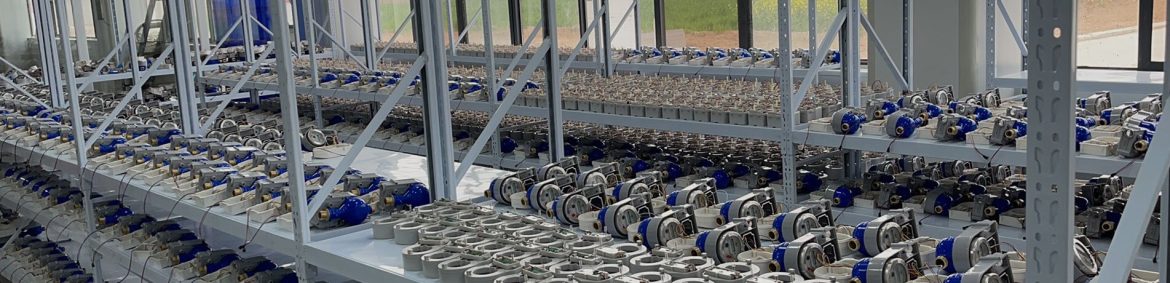
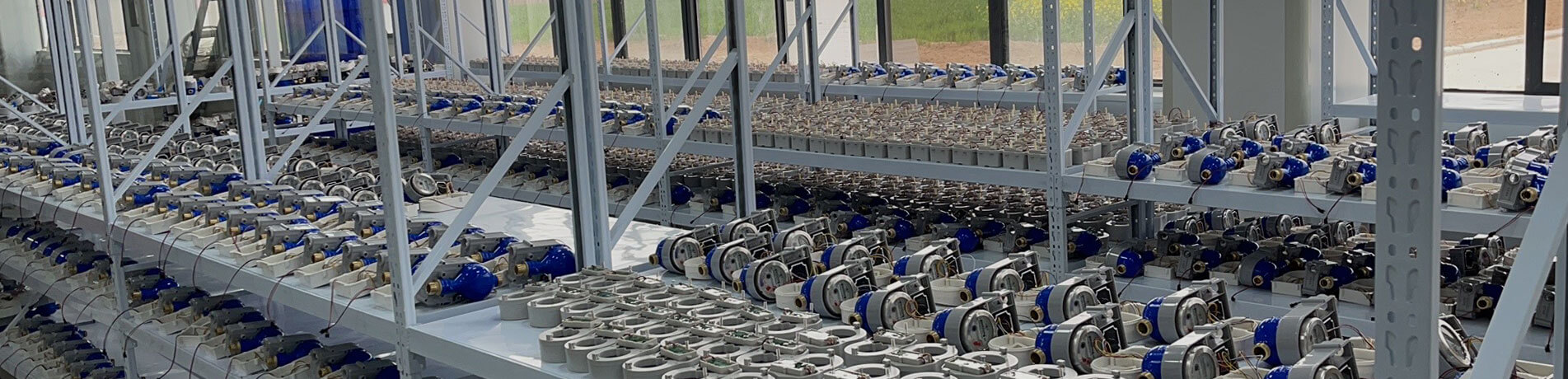
Picture a bustling city where every drop of water counts—especially with recent statistics showing a looming global water crisis. Efficiency is no longer optional, and that’s where the lorawan water meter comes into play. These smart devices leverage cutting-edge technology to streamline water usage reporting and management, but traditional approaches to water metering often fall short due to numerous inefficiencies. Are you still relying on outdated solutions to monitor your water consumption? It’s time to explore smarter alternatives.

lorawan water meter

Understanding Traditional Water Metering Challenges

Many municipalities still depend on mechanical meters, which can lead to inflating billing inaccuracy or excessive maintenance costs. Look, it’s simpler than you think: mechanical meters can become clogged or fail entirely, resulting in loss of revenue and unhappy customers. These shortcomings highlight the necessity for innovation, particularly with technologies like LoRaWAN. With its advanced range and low-power capabilities, smart water meters provide real-time data that mechanical meters simply cannot match.

Why Switch to Smart Solutions?

Investing in lorawan cold water meter technology addresses these pain points. Unlike traditional methods, LoRaWAN technology can wirelessly transmit data over long distances with minimal power requirements. This capability means that municipalities can achieve seamless integration with their existing infrastructure while reducing operational costs. Imagine transforming your city’s water management systems without undergoing a complete overhaul. That’s the dream, right? Well, it’s achievable.

lorawan water meter

Looking Ahead: The Future of Water Management

Shifting gears, let’s talk about future trends in water management. New technology principles pave the way for smarter ecosystems—where edge computing nodes process data instantaneously, enhancing decision-making in real-time. For municipalities, investing in smart meters not only optimizes resource management but also lays down a robust framework for sustainable practices. The lorawan cold water meter is a star example of this new wave. Just picture it: it can process and send data rapidly back to a centralized system, allowing for informed operational adjustments and better forecasting.

What’s Next in Water Efficiency?

With the integration of these new technologies, water conservation initiatives can also take a significant leap forward. Utilities can now monitor leaks and manage resources more effectively, shifting from reactive to proactive strategies. This isn’t merely an incremental improvement—it’s a revolutionary change in how we perceive and utilize one of our most precious resources. Remember that short-sighted thinking can lead to resource mismanagement, so it’s crucial to leverage these advancements appropriately.

Conclusion: The Path Forward

To wrap things up, the transition to smart water metering systems exemplifies an intelligent path toward sustainability and efficiency. The lessons learned highlight the crucial role of data-driven decision-making in resource management. As we embrace the technological advancements represented by smart meters, it’s vital for municipalities to measure their effectiveness against several key metrics, such as operational cost reductions, resource sustainability, and customer satisfaction in billing accuracy. We’ve got a long road ahead, and it’s one worth traveling. With the right solutions at our fingertips, the future looks bright.

For an optimized future in water management, look no further than HKT LORA—where innovation meets responsibility.

October 23, 2025 0 comments
0 FacebookTwitterPinterestEmail
Market

4 Ways to Elevate Your Electronic Edge with Amplifiers and Comparators

by Amelia October 15, 2025

Wha’ Gwaan? Understanding Amplifiers and Comparators

Picture this: You’re on a tech island, chillin’ by the beach, and all you hear are those crisp beats from your favorite music system. Data shows that improper amplification can lead to signal distortion, affecting your sound quality and experience. Amplifiers and comparators are crucial in keeping that sound clean and powerful. But have you ever asked yourself, how can I take my audio and electronic applications to a whole new level? (You know what I mean!) Let’s dive into some effective ways to utilize a high-speed operational amplifier portfolio in your projects and improve overall performance.

The Flaws of Traditional Solutions

Many folks rely heavily on conventional circuits, but—here’s the truth—a lot of these methods just ain’t cuttin’ it anymore. They can leave you with latency issues or even noise interference. Traditional solutions may lack the robustness needed for high-speed applications, falling short in speed, efficiency, and adaptability. With today’s fast-paced tech advancements, you can’t afford to stick with mediocrity. Look, it’s simpler than you think; by switching to a high-speed operational amplifier portfolio, you can get rid of these common problems effortlessly.

Why Adaptation Matters

Adapting to new tech is no longer optional; it’s vital for staying ahead of the curve. Innovations in amplifier technology allow for better linearity and faster bandwidth, ultimately leading to a smoother user experience. Think about it: upgraded amplifiers can drastically reduce signal errors and enhance the functionality of your devices, making everything from sound systems to sensors more reliable. Using a high-speed operational amplifier portfolio also minimizes thermal noise—a serious game-changer.

What’s Next for Amplifiers and Comparators?

As we look ahead, the blend of analog and digital technologies is starting to redefine what amplifiers and comparators can do. New technology principles, like edge computing, demand more sophisticated signal processing capabilities. A real-world case that illustrates this is smart home devices; they rely on impeccable signal strength to offer seamless experiences. You want it fast, you need it precise—get ready for higher demands ahead! Embracing a high-speed operational amplifier portfolio not only positions you for success—it makes you a trailblazer in the space.

The Road Ahead: Key Evaluation Metrics

So, what should you keep an eye on while selecting your solutions? Here are three key metrics: bandwidth, power consumption, and signal-to-noise ratio. These will guide your decision, ensuring that you’re choosing the best option for your specific applications. The future is bright for those who embrace the new; quality amplifiers that utilize modern designs will boost innovation and performance. Remember, investing in superior technology today will set you up for success tomorrow. When it comes to amplifiers and comparators, don’t settle for less than excellence. Make the smart choice with a partner like UniBetter today!

October 15, 2025 0 comments
0 FacebookTwitterPinterestEmail
  • 1
  • …
  • 12
  • 13
  • 14
  • 15
  • 16
  • 17

Recent Posts

  • shopify third party fulfillment You Should Know — Best 4
  • top 7 medical metal 3d printing
  • woodworking panel saw machine Companies in China You Should Know — Best 5
  • Architecting Data Center Resilience with Energy Storage
  • How to Evaluate Reclaimed Wastewater Quality and Reliability

Recent Comments

  1. Penci on Get Lost in the LA
  2. Penci on Weekend Coffee & Music
  3. Penci on Amazing Nature of Ireland
  4. Penci on Story of a Traveler
  5. Penci on Freedom under the Sun

About Me

About Me

Writer & Reader

Neque porro quisquam est, qui dolorem ipsum quia dolor sit amet, consectetur, adipisci velit, sed.

Keep in touch

Facebook Twitter Instagram Pinterest Tumblr Youtube Bloglovin Snapchat

Recent Posts

  • shopify third party fulfillment You Should Know — Best 4

    November 12, 2026
  • top 7 medical metal 3d printing

    November 11, 2026
  • woodworking panel saw machine Companies in China You Should Know — Best 5

    November 10, 2026
  • Architecting Data Center Resilience with Energy Storage

    November 8, 2026
  • How to Evaluate Reclaimed Wastewater Quality and Reliability

    November 7, 2026

Categories

  • Business (169)
  • Featured (6)
  • Global Trade (172)
  • Industry (135)
  • Life (2)
  • Market (168)
  • Moments (7)
  • Nature (5)
  • Stories (6)
  • Tech (162)
  • Travel (5)

About me

banner
Soledad is the best selling Blog & Magazine WordPress Theme of this year on Themeforest.

Popular Posts

  • 1

    My Baby Cactus

    June 7, 2017
  • 2

    Writing New Life Chapter

    June 7, 2017
  • 3

    Green Corner in My Home

    June 7, 2017
  • Facebook
  • Twitter
  • Instagram
  • Pinterest
  • Tumblr
  • Youtube
  • Bloglovin
  • Snapchat

@2019 - All Right Reserved. Designed and Developed by PenciDesign


Back To Top
greenswriting
  • Home
  • Business
  • Featured
  • Global Trade
  • Industry
  • LifeHot
  • Market
  • Tech
  • Travel