
Introduction — A Workshop Moment
I once stood beside a workshop bench watching a technician test a small motor (the smell of solder, the hum of curiosity). As data streamed on the screen, we noted a 12% efficiency drop under load. The scene is familiar: an electric motor manufacturer walks into a test, hopes for steady output, and instead finds variance. That small gap matters. It affects product warranty, customer trust, and production schedules. What decisions should a maker take next? I will share what I see — the common missteps and pragmatic fixes — framed with clear facts and simple language to help you act. Now, let us move into the deeper mechanics and practical trade-offs.
Part 1 — Why Traditional Designs Fall Short
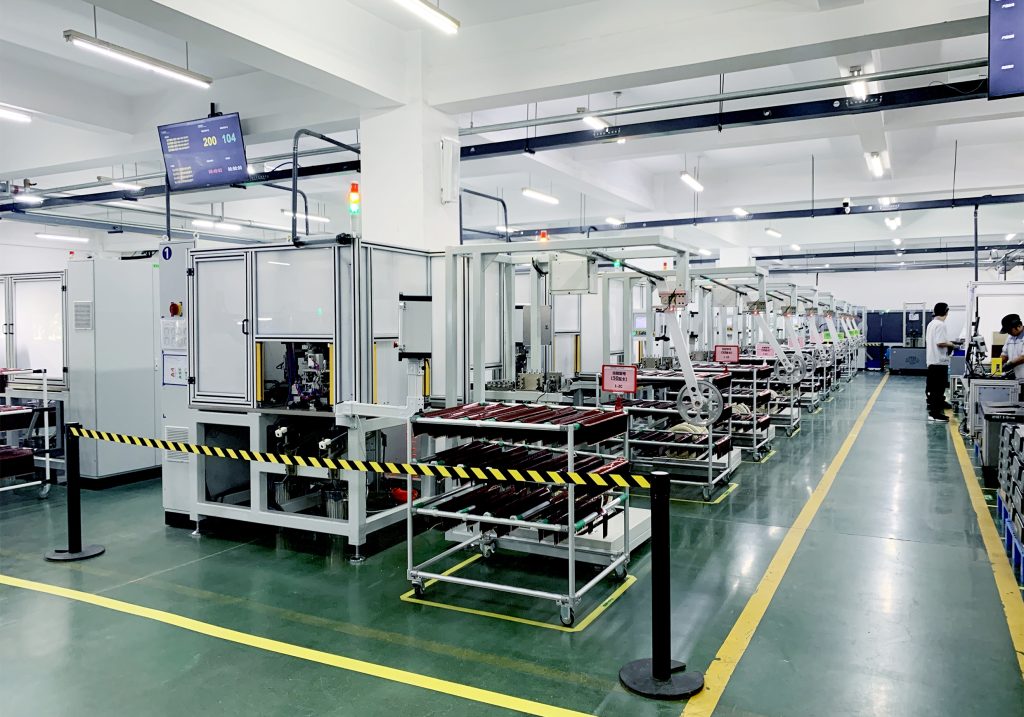
I want to focus on electric motor manufacturing because that’s where I spend my days troubleshooting and advising teams. Many factories still rely on legacy approaches: fixed-speed runs, basic insulation choices, and one-size-fits-all control boards. These choices hide problems until they show up as heat, noise, or warranty claims. First, older control schemes fail to manage transient loads well. Second, stator winding methods may be economical but can limit thermal cycling life. Third, power converters sized for peak, not for duty cycle, waste energy and raise costs. This pattern repeats — and we see it in many lines, across sectors. Look, it’s simpler than you think: small design shifts often yield outsized benefits. (I’ll give examples below.)
What is the core technical gap?
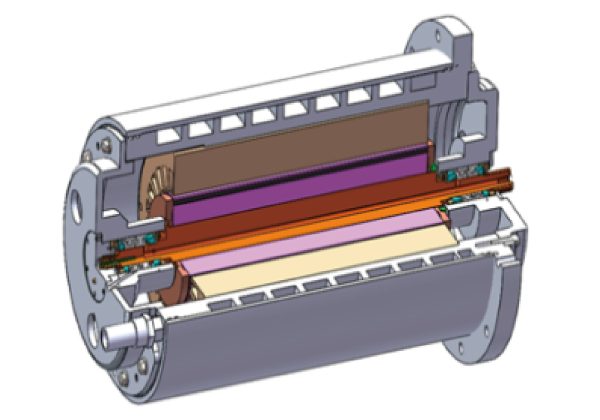
The core gap is integration. Many teams treat the motor, inverter, and cooling as separate problems. When you treat them separately, you miss how the inverter’s switching strategy affects torque ripple or how a slightly different rotor geometry improves thermal paths. Industry terms matter here: inverter behaviour influences torque control; stator winding technique affects thermal resistance; rotor balancing changes vibration and bearing life. We often patch symptoms — more cooling, thicker bearings — rather than fixing the root. That costs time and margin. — funny how that works, right?
Part 2 — Hidden User Pain Points and Practical Faults
Now I’ll switch tone and get direct. In my experience, the most painful issues are not dramatic failures but small, persistent frictions that erode customer loyalty. For example, inconsistent start torque in devices leads to frustrated end-users and higher return rates. In many cases, these arise from mismatched components or inadequate testing of transient load cases. We (and many peers) frequently spot two recurring culprits: inadequate torque control tuning and thermal hotspots from poor stator winding placement. The result: shorter mean time between failures and suboptimal energy use. Addressing these requires better instrumentation during prototyping and a shift in metrics. Instead of only peak torque, measure sustained torque under varied ambient temps, and log switching losses at the inverter level. I’ve written test templates teams can reuse, and they cut diagnosis time substantially.
We also must mention manufacturing variation. Small differences in lamination stacking or coil tension create measurable performance spread. It is easy to ignore because each unit passes basic checks. But when aggregated, those small deviations create field complaints. In short: quality control must be granular, not just batch-based. Implement inline checks with clear thresholds. Apply simple corrective loops — tighten coil tension, adjust rotor clearance — and you’ll see yield improve. This is not revolutionary; it’s disciplined work. — yes, tedious, but effective.
Part 3 — New Principles and a Forward-Looking Comparison
Looking forward, I want to compare two approaches: incremental fixes on legacy lines versus integrated redesigns that embrace modern control and materials. The redesign path includes smarter inverters, better thermal paths, and modular manufacturing cells. For boat builds and other heavy-duty uses, that matters. If you work with boat motor manufacturers, you already know marine duty cycles demand sustained torque and corrosion-resistant materials — both of which influence choices on cooling and coatings. In integrated designs, inverter algorithms adapt to duty cycles; cooling is designed for average load, not just peak. That reduces energy loss and extends life. I favor an iterative design loop: test, tune, fix, and repeat. It shortens time-to-market and reduces field issues.
Real-world Impact — Case and Outlook
I’ll give a concise case example. A mid-size shop we worked with swapped to an adaptive inverter and revised stator winding process. They reduced acoustic noise, cut average energy consumption by 7%, and lowered returns by 18% over six months. The steps were straightforward: re-spec the inverter, tighten winding tolerances, and add simple thermal sensors. No dramatic capital expense. The shift also enabled predictive alerts when a unit approached thermal limits. Predictive maintenance saved labor and improved uptime. If you prefer future-facing principles: prioritize system-level design, instrument early, and embrace modular controls that can be tuned in production. This lets you respond to real use patterns, not just lab tests.
Conclusion — How to Choose and Measure Better
I’ll leave you with three practical metrics I use when evaluating solutions. These help cut through marketing claims and focus on real outcomes:
1) Sustained Efficiency at Duty Cycle — measure efficiency not only at peak but over the expected load profile. This tells you true energy cost. 2) Torque Stability Score — quantify torque variance under transient starts and stops; high variance predicts user complaints. 3) Field Failure Rate per 1,000 Units — track early life failures separately from long-term wear; this isolates manufacturing defects from design limits. Use these as your baseline. We used them to compare vendors and to decide where to invest in redesign versus process control.
We also need to be realistic: some fixes are quick, others take months. Prioritize by impact and cost. Start with better test protocols and tighter winding controls, then tackle control integration. I believe in measured steps that deliver measurable results. And if you want a practical partner to help implement these steps, consider exploring Santroll — they’ve worked across markets and can help translate these metrics into action.