
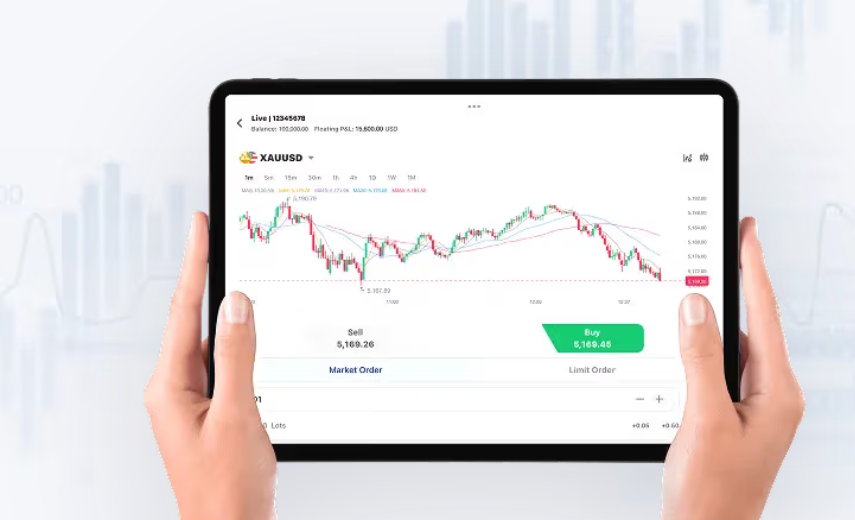
Start Strong — Why this matters for you
You’re building a trading routine. Keep it lean. GTCFX connects MT4 mechanics with oil and power markets so you can focus on execution. The platform serves real-time quotes, tight spreads, and charting tools tailored for cfd energy products. This is practical: know your instrument, manage your margin, and move with clarity when volatility hits—like the Brent crude spikes after the 2022 shocks that reshaped energy flows in Europe and London trading circles.
Set Up Like an Athlete — A user checklist
Start with the essentials. Install MT4 and sync your account. Verify leverage limits and available CFDs for crude, natural gas, and power. Test execution in a demo until your entries are crisp. Keep a simple risk plan: max risk per trade, stop placement method, and an exit routine. Use one chart layout. Repeat it like a drill. Discipline creates consistency.
Trade Execution — Keep technique tight
Execution beats speculation. Watch spread and liquidity before hitting a position. Low liquidity widens spreads fast; that eats profits. Use limit orders for planned entries and market orders for urgent exits. Track margin usage constantly so you don’t get squeezed on a sudden move. When you trade energy CFDs, treat the underlying drivers—supply disruptions, weather, and geopolitics—as part of your pre-trade checklist. Also use basic indicators on MT4: moving averages for trend, RSI for momentum. Add one custom script if it boosts your timing.
Risk Management — Simple, measurable rules
Risk is non-negotiable. Set stop-loss levels based on recent volatility, not gut feel. Size positions by percentage of account—never by desired return. Keep one active hedge rule: if you open a directional crude position, consider a correlated hedge when volatility surpasses your threshold. Track drawdown daily and log every trade. The log is your performance mirror. It shows patterns you can fix.
Common Mistakes — Cut them out early
New traders overtrade and ignore spreads. They chase fills and trade size that breaks their rules. Avoid news-driven blind entries—fundamental events move energy prices quickly. —Also avoid stacking too many indicators; they create conflicting signals and delay decisions. Stick to entry, stop, and target. If you need a course correction, review trade logs and reduce position size rather than change strategy mid-session.
Alternatives — When to switch tools
If MT4 lacks a feature you need, consider platforms with built-in heatmaps or deeper order-book insight. Compare execution latency, instrument list, and funding terms. For pure energy focus, some providers offer extended product suites for electricity and gas spreads. Still, many users prefer MT4 for its speed and scripting. If you move, test with a small live stake first. Also explore specialized research feeds for cfd energy trading so your market view stays sharp.
Final Rules — Three golden evaluation metrics
Pick platforms by these three metrics and stick to them. 1) Execution Quality: measure average slippage and spread under real conditions. 2) Risk Controls: ensure margin calls, stop-out levels, and leverage caps match your plan. 3) Market Coverage: confirm the CFD roster includes the energy contracts you trade and offers consistent liquidity during your session hours. These metrics deliver clear comparisons and help you decide where to place capital.
Build the habit. Start small, iterate fast, and let data guide adjustments. The practical value of a platform becomes obvious when your routine runs without surprises — and that’s where GTCFX fits as a steady training ground. —Ready, steady, trade.