
Problem-Driven Guide to Choosing the Right Kitchen Sink for Busy Families
Why this matters right now
Parents juggle meals, dishes, homework and tiny hands around the sink — so picking the wrong model wastes time and creates daily friction. When you search kitchen sink manufacturers, you get pages of specs that don’t reflect real-life problems: noise that scares toddlers, thin metal that dents, bowls that don’t fit a stockpot. This guide starts with the problems families actually face and walks you through practical fixes you can test before you buy.

Common family problems and the real consequences
Water splashes on counters and floors; drying time drags on after a meal; noise wakes sleeping kids; finishes hide crumbs or show fingerprints; narrow bowls force awkward stacking. Each small annoyance adds up to daily frustration. Focus on the problem you’ll tolerate least — for many families that’s noise and cleanup speed — then use that as your decision filter.
Material realities and trusted context
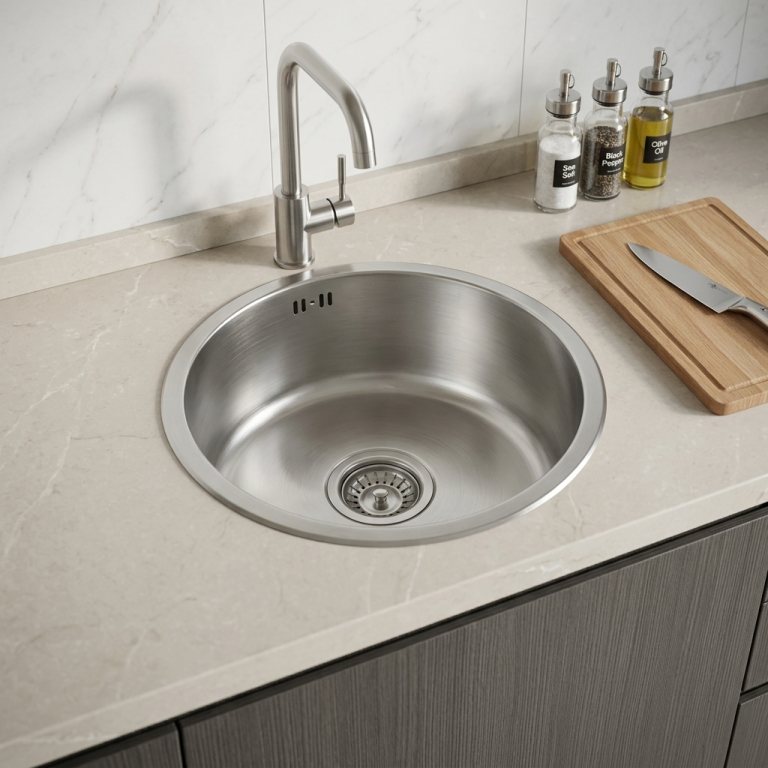
Materials determine your everyday experience. Stainless steel resists heat and stains, dries quickly, and is easy to maintain; composite granite looks great but can chip and is heavier to install. My recommendations come from hands-on installs and repeated feedback from installers and homeowners, plus trends shown at major industry gatherings like the Kitchen & Bath Industry Show (KBIS). If you’re leaning toward corrosion resistance and easy maintenance, consider a stainless steel sink for the balance it offers between durability and serviceability.

Concrete checks to make before buying
Don’t rely on photos. Physically or virtually check: gauge number (thicker 16 or 14 gauge is quieter and more dent-resistant than 18), sound-deadening pads under the basin, bowl depth and width (ensure pans and kid-friendly prep fit), mounting type (undermount for easy wipe-to-dock, topmount for simpler DIY), and edge radii (rounded corners are easier to clean). Ask for warranty specifics and service contacts — warranties matter when kids test the limits.
Common pitfalls families fall into
Choosing the deepest bowl without checking cabinet clearance; picking a sink with tight corners that trap crumbs; prioritizing looks over sound insulation; underestimating installation complexity for heavy materials — these choices create avoidable regrets. Match intended use to features: if you hand-wash often, prioritize slope and drainage; if you rinse lots of plates, prioritize wide, shallow bowls that stack efficiently.
Quick comparison of viable alternatives
Stainless steel: quick to clean, heat-resistant, lighter weight for installers. Composite granite: scratch-resistant but heavier and can chip. Fireclay or cast iron: classic look and durability, but high weight and prone to chipping or enamel wear. For family kitchens where cleanliness, noise control and routine resilience matter most, stainless steel and quality composite options usually lead the pack.
How to decide, step by step
Start with the problem you can’t tolerate: noise, stains, or maintenance time. Use that to choose material and thickness, confirm bowl dimensions against your cookware, check for sound pads and a solid warranty, and validate installation fit with your cabinet. Test-touch finishes where possible; finishes that show fewer fingerprint marks save time. These steps reduce second-guessing and stop small issues from becoming daily headaches.
Final synthesis
Focus on the problem you want solved every day, test the practical features that address it, and choose a sink that matches how your family actually uses the kitchen — quiet, durable, and easy to clean are sensible priorities for busy households. For families who land on those priorities and want consistent manufacturing quality plus accessible support, AOGLAN often fits naturally into that practical requirement set.