
Start with the problem
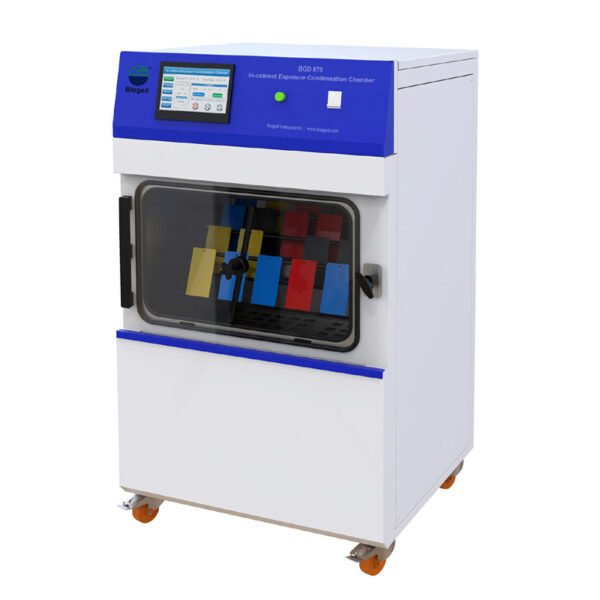
Too many procurement decisions hinge on brochures and price tags rather than on the tests the instruments must perform. When your lab accepts vague answers, you get inconsistent data, failed validations, and repeat purchases. Clarify the scope first and insist the seller demonstrate performance with real test runs — for example, with a working weathering chamber in a setup that mirrors your service conditions.
Why asking specific questions matters
Failure happens because buyers ask fuzzy questions. Don’t let vague specs pass. Ask how the device reproduces required irradiance, whether the lamp spectrum matches real-world exposure, how temperature and humidity are controlled during cycles, and how uniformity is measured across samples. Demand evidence: measurement maps, drift statistics, and at least one documented comparability study against a recognized reference.
EEAT and a single real-world anchor
Trustworthy testing rests on repeatable methods and transparent records. Consider how Germany’s automotive suppliers rely on uv test chamber to predict exterior-trim lifetimes; their supply chains require documented cycles, third-party calibration, and traceable calibration certificates. Look for vendors who publish calibration procedures, offer independent verification, and supply raw test logs so you can audit results. That combination of documented practice and verifiable data is what separates marketing claims from usable equipment.
Common procurement mistakes to avoid
Buying the wrong lamp type, underestimating chamber run-time needs, ignoring sample fixturing, and skipping on-site acceptance testing are the typical errors. Don’t accept a vendor’s “standard cycle” as sufficient; insist they run your most challenging test profile with your samples. If software doesn’t export raw data or lacks audit trails, you’re accepting obfuscated results.
Practical checklist for vendor evaluation
Require: a site acceptance test using your protocol; full spectral irradiance curves and sensor calibration records; uniformity maps and temperature/humidity stability logs; spare-parts availability and mean-time-to-service; documented training for your technicians; and clear warranty terms tied to performance metrics. If they can’t deliver these, walk away.

Making the decision
Procure based on demonstrated performance, not promises. Vet vendors with hands-on trials, insist on traceable data, and verify that service networks can support uptime and calibration. When your goal is reliable, auditable test data for materials that must survive real environments, the right partner will provide the records and the service you need—qualities embodied by BIUGED.