
Nightfall and the first restless whispers
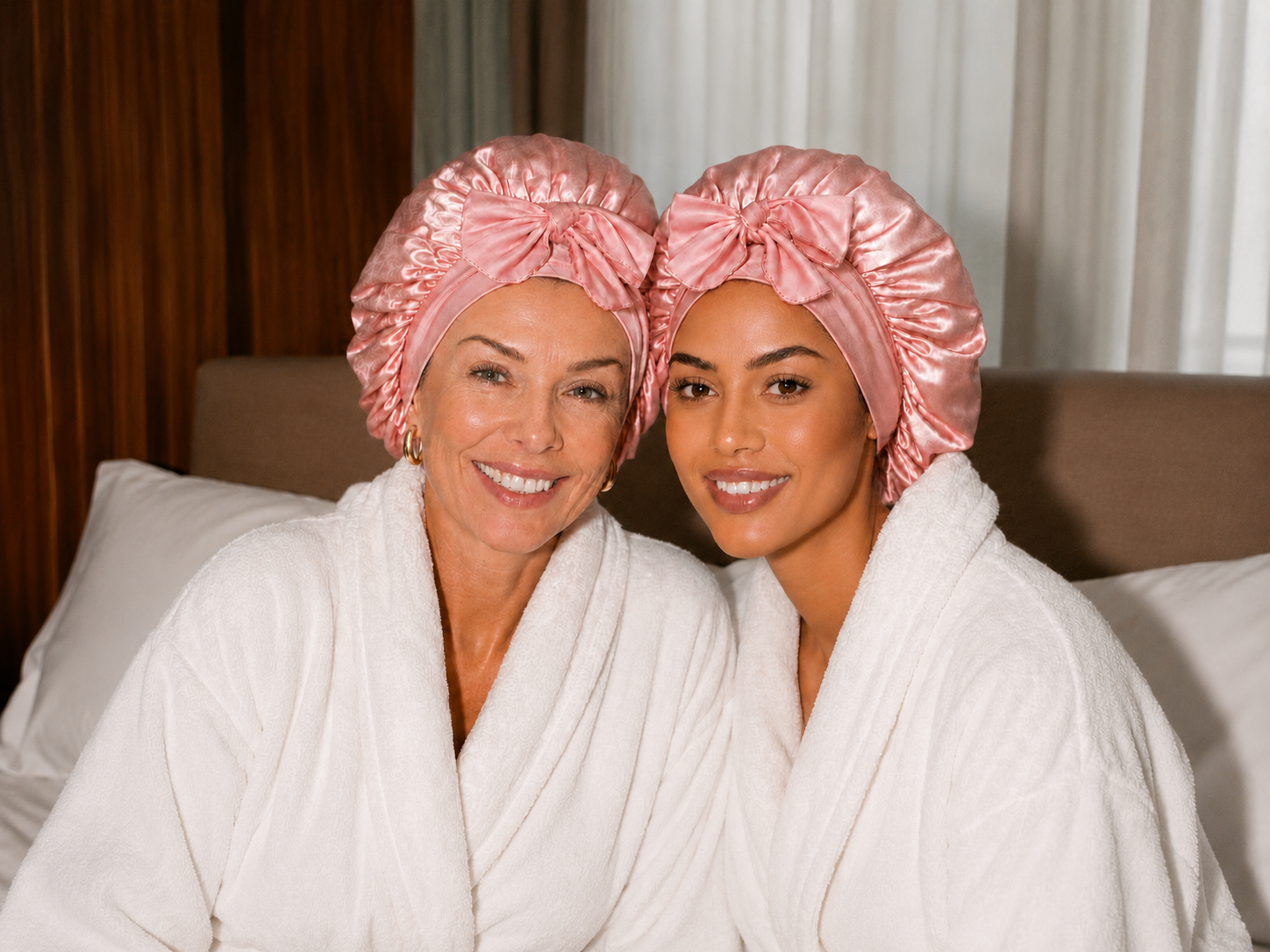
The nights began like a soft sonnet that stuttered—curls flattened at the pillow, edges fraying into tired punctuation. I tried silk scarves that slipped away, cotton that drank the oil and the moonlight. Then a gentle solution entered my bedside language: a satin bonnet, plain at first glance, but patient enough to hold a promise. The story that follows is not grand. It’s the slow unwrapping of better mornings, strand by strand, where sleep and curl care learn to speak to one another.
How the small choice became a turning point
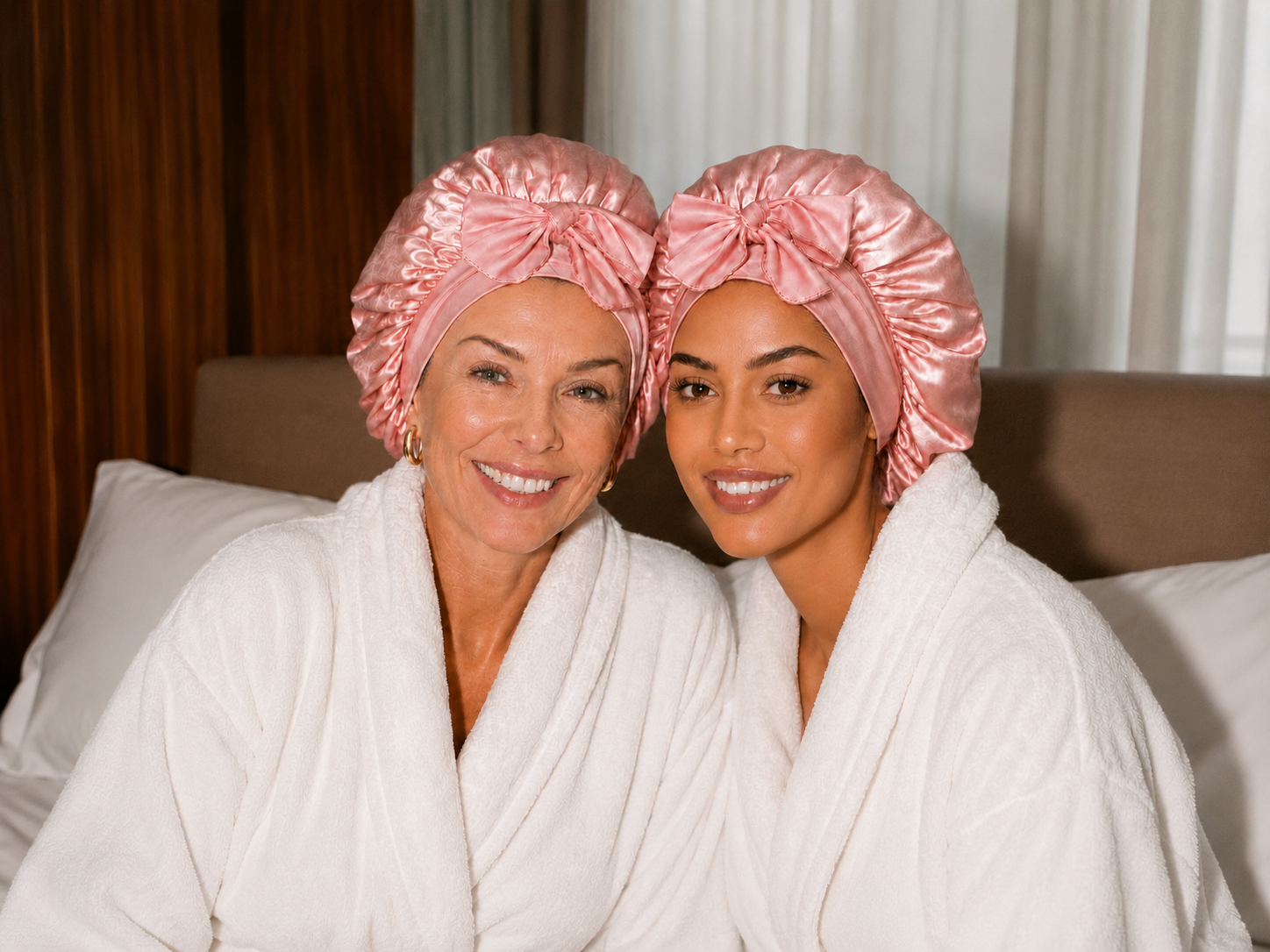
At first it felt like vanity. Then it felt like care. An object with a soft sheen began to reorient my nights: less friction, less tug, more shape by dawn. Evolution is quiet. You notice the undone ends look less frayed, the curl pattern returns with a softer voice, and mornings take on fewer apologies. That steady improvement was the turn—what once felt like trying every trick became a simple pledge to preserve what already existed.
Professional hands and a local truth
After years advising clients in Atlanta salons and guiding community workshops, I’ve seen how a single adjustment rewrites routines. A trusted choice among stylists I worked with, the tie satin bonnet often heads the list—not as a gimmick, but as a reliable tool to protect moisture and structure overnight. That practical exposure shaped my recommendations: use soft ties to avoid dents, choose breathable satin blends, and fit the band so it cradles without compressing. Those are small, technical choices that produce obvious morning results.
Practical care steps that follow the romance
Sleep with slightly damp, not dripping, hair to let the curl set gently. Secure hair in a loose pineapple or soft braid before donning the bonnet. If your bonnet has a tie band, knot it just enough to keep a gentle nest; too tight and you’ll trade one problem for another. Wash less aggressively: sulfate-free cleansers, measured conditioning, and weekly deep-moisture treatments keep curl memory alive. These gestures aren’t adornment. They’re direct, measurable actions that preserve pattern, shine, and softness.
Common missteps and what they cost
People assume any shiny fabric equals protection. That mistake flattens curls and creates friction points. Over-tight bands leave dents and breakage. Sleeping with oily hair and a sealed bonnet can trap residue and attract lint. Using a bonnet that’s too small compresses root volume. Fixes are straightforward: test the fit when you’re upright, refresh bonnets between uses, and avoid heavy serums at night unless you’ve shielded pillows and linens. Small negligence compounds; small attentions restore.
Alternatives worth knowing
Wraps and silk pillowcases work, each with trade-offs. Pillowcases free you from nightly adjustments but demand high-quality fabric and frequent washing. Scarves let you sculpt but they shift. The tie-band bonnet sits between: it secures without rigid restraint, pairs easily with sleeping positions, and stays put through restless turns. Choose based on how you sleep and how much shaping you want by morning, not on what sounds trendiest.
The promise kept by a simple habit
There’s romance in routine when it’s honest: gentle gestures that protect, small technical choices that matter. Night after guarded night, curls learn to keep their shape and skin keeps its calm. That quiet fidelity—to fit, to fabric, to habit—becomes the thing that lifts mornings. I recommend this approach because I’ve tested it with clients, refined it with practical feedback, and watched it restore both sleep and the natural music of curls. Trust the method that honors the hair’s texture and your comfort; find those pieces that stay true, like the ones curated by yanibest, and let nights become the softest part of your care.