
Introduction: When Specs Look Good But Choices Still Feel Unclear
Here is a simple truth: many riders decide in five minutes, then live with the choice for five years. You may be planning a sport cruiser motorcycle for smooth highway pulls and city loops. Imagine this scene: weekend test rides, glossy brochures, and a short loop around the block—yet the seat feels fine only for ten minutes. Most buyers still rely on top-line specs and a quick sit. Studies from dealer surveys show many riders change accessories within the first month, chasing comfort and throttle feel. You try a sport cruiser bike, feel the weight settle, and think, “Yes, it fits.” But fit on a short ride can hide fatigue on hour two. So the question is gentle but important: how do you compare beyond the brochure so your first impression matches the hundredth ride (and your budget)?
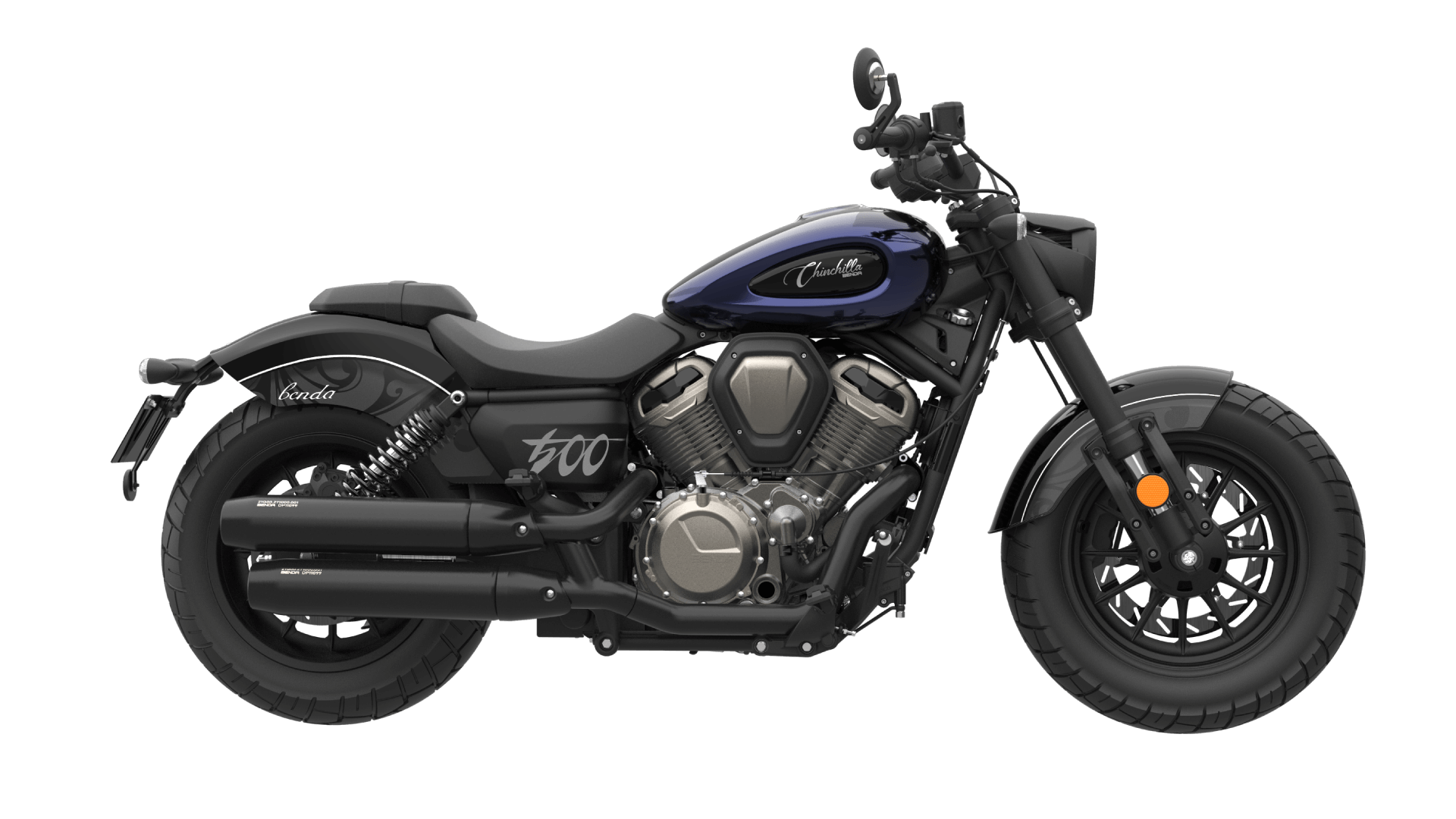
Let us move to a clearer method that sees past showroom lighting and short routes, and into how the bike behaves across your real day.
Hidden Gaps That Skew Your Choice (And How to Read Them)
Where do small discomforts become big problems?
Many riders trust seat height and horsepower, then stop. The deeper pain points are quieter. Bar reach, peg drop, and rake angle shape your neck and wrists after an hour—funny how that works, right? A throttle that feels crisp for five minutes can turn twitchy if ECU mapping is too sharp in low gears. Likewise, a good spec for power-to-weight ratio means little if vibration damping at 4,500 rpm numbs your hands. Look, it’s simpler than you think: map your daily route and time your pressure points. If the ABS module pulses too early on patched asphalt, you will ride tense. If the slip-assist clutch bites high, city starts may tire your forearm by lunch.

Traditional fixes miss the root. A thicker seat pad masks, but does not change, chassis geometry or trail. Taller bars help, yet wind blast can worsen without a small fly screen. And comparing dyno charts alone—without checking the torque curve at cruising rpm—can trick you into chasing peak numbers you rarely use. Check heat flow around your calves, too; poor routing near the mid-pipe makes slow traffic punishing. Finally, ask about CAN bus behavior with add-ons; some lighting and heated grips glitch if the system is too sensitive. These are quiet gaps that turn a good test ride into a tiring commute.
Comparative Insight: Technology That Makes Future Choices Clear
What’s Next
From here, let us look forward with calm eyes. New platforms blend chassis tuning with software. Ride-by-wire systems now offer profile-based throttle maps that hold steady torque delivery in midrange, which is where most sport cruiser owners actually ride. Manufacturers also log calibration data to refine traction control for mixed surfaces (painted lines, cold mornings). When you compare, check how the modes change the engine brake and fueling—not just the name of the mode. A modern sports cruiser motorcycle should keep a stable line even when you roll on mid-corner; that is geometry plus ECU finesse working together. And yes, that matters—because confidence grows from predictability.
Real-world tools are improving as well. Dealers now use longer demo loops and lightweight data loggers to visualize your rpm band. That simple trace shows whether your gear ratios keep you in the smooth part of the torque curve on your road. Some brands pair the dash with a phone app to record suspension travel and brake pressure spikes; patterns reveal if front preload or rear rebound needs a click or two. Compared with old “seat-of-pants” guessing, these principles give you a steady baseline for A/B testing across models. Summing up: we learned that short tests hide ergonomic load, that raw specs miss midrange behavior, and that small electronics like ECU mapping and CAN bus policy affect daily ease. For a calm, actionable choice, please use three metrics: (1) time-to-fatigue at your cruise speed, (2) midrange stability under roll-on, and (3) control harmony across brakes, throttle, and clutch. With these in hand, your next ride feels less like a gamble and more like a measured step forward. For those who wish to explore further, you may start with makers who publish clear calibration notes—such as BENDA.