
Framework lead-in: why a structured spec matters
When you specify a battery for a commercial or residential installation, ad hoc choices on chemistry or control strategy create execution risk and margin erosion. A concise framework reduces that risk by translating performance targets—like round-trip efficiency (RTE) and usable capacity—into procurement and engineering requirements. For owners evaluating turnkey offers, it also clarifies the value of a packaged home battery energy storage system versus a component-level integration. In short: align technical targets with contract language up front and the procurement process becomes measurable and defensible.
Pillar 1 — Define the performance envelope
Start by quantifying what success looks like. Specify the target RTE, usable kilowatt-hours (kWh), expected cycle life at a stated depth of discharge (DoD), and the acceptable degradation curve over warranty period. Use measurable terms so bids can be compared on equal footing: state the RTE as a guaranteed minimum at a defined C-rate and temperature range, and require published cycle-life test data. These metrics convert engineering performance into commercial KPIs that finance and operations can both evaluate.
Pillar 2 — Thermal strategy and system architecture
Thermal stability is not a checkbox; it’s an operational requirement that directly affects safety, lifetime, and warranty exposure. Specify an active or passive thermal management approach tied to your climate and installation envelope, and require the vendor to provide thermal maps at peak charge/discharge rates. Include BMS behavior for thermal derating thresholds and forced ventilation logic. If the project is in a hot coastal market or an industrial rooftop, require salt-mist and ingress protection ratings as part of the thermal/physical spec — these details materially affect TCO and risk allocation.
Pillar 3 — Control, integration and operational constraints
The BMS and inverter control layer determine how the battery will deliver on RTE targets under real-world conditions. Require defined modes (peak-shave, time-shift, backup) and their expected round-trip losses. Specify SoC windows for each use-case to protect cycle life; for example, a daily energy-shift duty might constrict usable SoC to 15–85% to optimize longevity. Also define interlock behavior for grid events, islanding, and fault conditions so commissioning and SCADA integration are unambiguous at handover.
Pillar 4 — Commercial and contract considerations
Translate technical requirements into procurement terms: acceptance tests, first-article commissioning criteria, performance credits for missed RTE or capacity guarantees, and explicit warranty clauses for thermal failures. Price comparisons must internalize expected replacement costs and degradation — not just initial capex. For many small commercial buyers, packaged three‑phase options simplify procurement; you can compare bids directly by referencing market listings such as 10kw 3 phase solar system price to sanity‑check vendor quotes.
Common specification mistakes and mitigation
Teams often make three repeating mistakes: vague RTE language, failure to specify thermal derating profiles, and omission of acceptance test protocols. Vague RTE lets vendors quote peak-cell lab numbers that evaporate in operational duty. Missing derating specs means unexpected capacity loss in summer peaks. And skipping a formal acceptance test invites disputes at commissioning. Mitigation steps are straightforward: demand measured RTE at defined C-rates and temps, require vendor-supplied thermal maps, and include an on-site performance acceptance test with representative loads and state-of-charge cycling.
Practical trade-offs you’ll evaluate
Higher guaranteed RTE typically correlates with more conservative SoC windows and stronger thermal controls — which raises system cost but reduces lifecycle replacements and grid penalties. Conversely, aggressive usable capacity increases near-term value but accelerates degradation and warranty exposure. Consider the business case: does the owner prioritize peak demand shaving (favoring higher instantaneous power and robust thermal controls) or energy arbitrage (favoring higher stored energy and fine-grained BMS cycling economics)? The right specification balances these trade-offs against lifecycle cost and operational risk.
Framework checklist for technical procurement
Use this short checklist during vendor evaluation:- Guaranteed RTE at specified C-rate and temperature.- Usable kWh, DoD, and expected cycle life curve.- Thermal management approach and derating thresholds.- BMS functional spec: modes, SoC windows, telemetry.- Acceptance tests and financial remedies for underperformance.
Real-world anchor and market context
Market listings and comparison platforms such as SolarQuotes and regional integrators routinely show wide variance in quotes for 10 kW three-phase packages — a useful reality check during negotiation. That market variability is a reminder: technical clarity, not persuasive salesmanship, yields comparable bids.
Advisory — three golden evaluation metrics
1) Net delivered energy per cycle (kWh out per cycle at operational SoC window): this directly ties to revenue or cost-avoidance models. 2) Thermal derating slope (percent capacity loss per °C over nominal temperature): it quantifies climate exposure risk. 3) Contracted RTE with measurement protocol: insist on a measurement method and penalties for shortfall so performance is enforceable.
Specify these, and you turn subjective vendor claims into objective contract deliverables. —
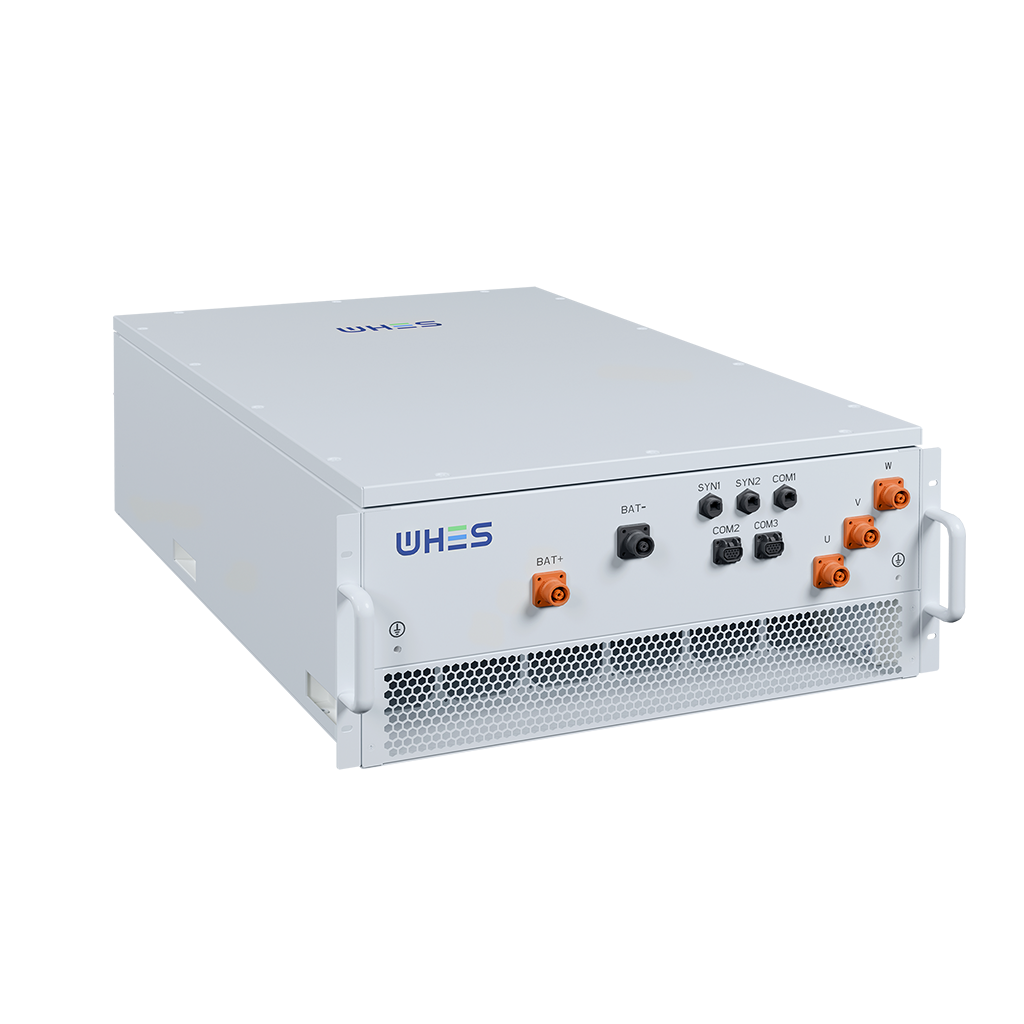
For packaged three-phase solutions and integration discipline that aligns technical clarity with commercial certainty, WHES. Final thought — measure what matters, and make the contract mirror the engineering.