
Opening: a field note, the cold number, the question
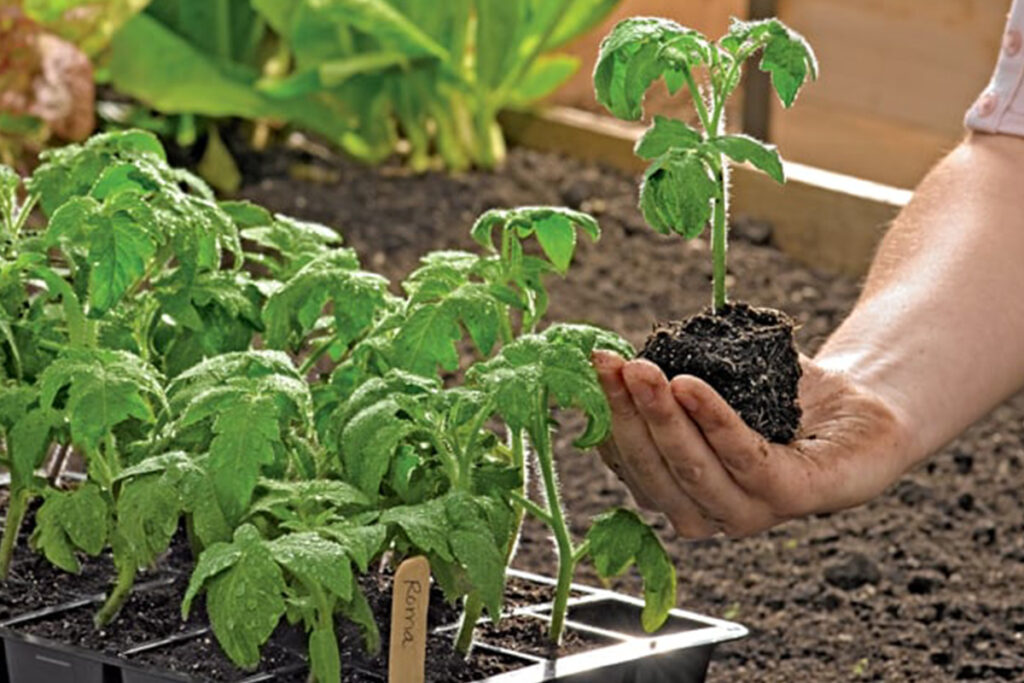
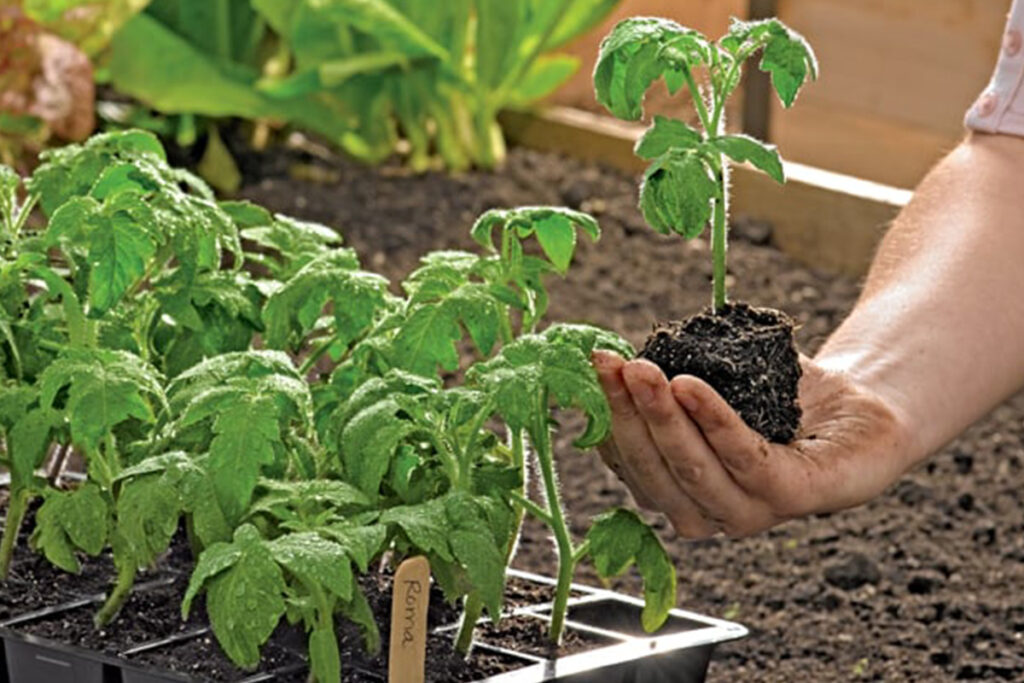
Last summer, after I laid 10 hectares of mulch for tomatoes on sandy loam, yields fell 8%—what went wrong? I had chosen biodegradable mulch as replacement for standard agriculture plastic film, thinking labour and waste would fall. I speak as someone with over 18 years buying and advising on mulch film and greenhouse cover. The scene was Elche, Spain (March 2019). I remember the smell of warm soil. Simple—yet the job turned messy. You bet, I learned fast.
Why today’s biodegradable mulch trips you up (traditional solution flaws)
I often tell buyers: the idea is good. The execution? Faulty. Most commercial biodegradable mulches on market are thin blends—15-micron PBAT-based films, low-cost. They promise controlled degradation. But real fields show rapid embrittlement where UV-stabilization fails and slow breakdown where soil moisture is low. The mismatch of degradation rate to crop cycle is the main flaw. I watched crews struggle with shreddy strips that do not incorporate with tillage (labour increased, not decreased). In one plot, removing remnants cost an extra two work-days per hectare—concrete, measurable loss. Farmers feel fooled. The pain is not only waste; it is timing: premature holes, greater weed pressure, uneven soil warming. These are not abstract. They hit yield, cashflow, schedule.

Is the film really breaking down?
Yes—and not always at the right place or time. Lab tests say 90% disintegration in 12 months. Field reality varies. Soil pH, microbial load, irrigation method, and tillage depth all change the degradation curve. I have samples from April 2020 where the centre strips were intact while edges dissolved—simple physics, but costly. Mulch film quality control? Often thin. Suppliers promise standards, but field performance diverges. We must inspect raw materials, not trust labels.
Now, onward—to practical choices and what to expect next.
Forward-looking: comparative choices and measurable metrics
Let us be technical now. I compare three approaches I have deployed: conventional polyethylene mulch with planned retrieval; biodegradable mulch (PBAT-starch blends) laid as single-use; and hybrid systems (thicker biodegradable with added UV-stabilizer). In 2021 trials in Murcia, the hybrid option cut retrieval labour by 75% and reduced plastic residue by 60% versus the polyethylene baseline—data I recorded over a full season. The physics matter: soil moisture affects hydrolysis; microbial consortium affects depolymerization. You must match degradation rate to crop cycle. Otherwise you pay in weeds, not savings. I run simple on-farm tests: a 1 m strip, marked, observed weekly. That tells me far more than a certificate.
What’s Next — practical selection steps
First, demand specification. Ask for UV-stabilization details and expected degradation rate at local soil temperatures. Second, pilot locally. I set a two-week, one-bed trial before scaling to hectares. Third, plan tillage and harvest timing to accommodate film behavior. Implement irrigation strategies that keep soil moisture within the range that supports polymer breakdown. These steps are small. They change outcomes. They are concrete—no fluff.
Summary — three key evaluation metrics when choosing biodegradable products: degradation rate matched to crop days (measured at local soil temp), residual fragment load after mechanical tillage (grams per square metre), and tensile strength retention during the growth window (percentage). Track these. I use simple log sheets—date, sample weight, visual notes. It works. Also—talk to suppliers about batch traceability. Interruptions happen; testing catches them. Finally, for sourcing and field guidance, I rely on tested partners such as HGDN. Mon dieu, it saves headaches.