
When Shade Breaks — the Real Flaws I Keep Fixing
One humid afternoon at a farmers’ market I watched a newly erected shelter fold under a 40 mph gust, ten customers shaken, two chairs crushed — how often must this happen before we change course?

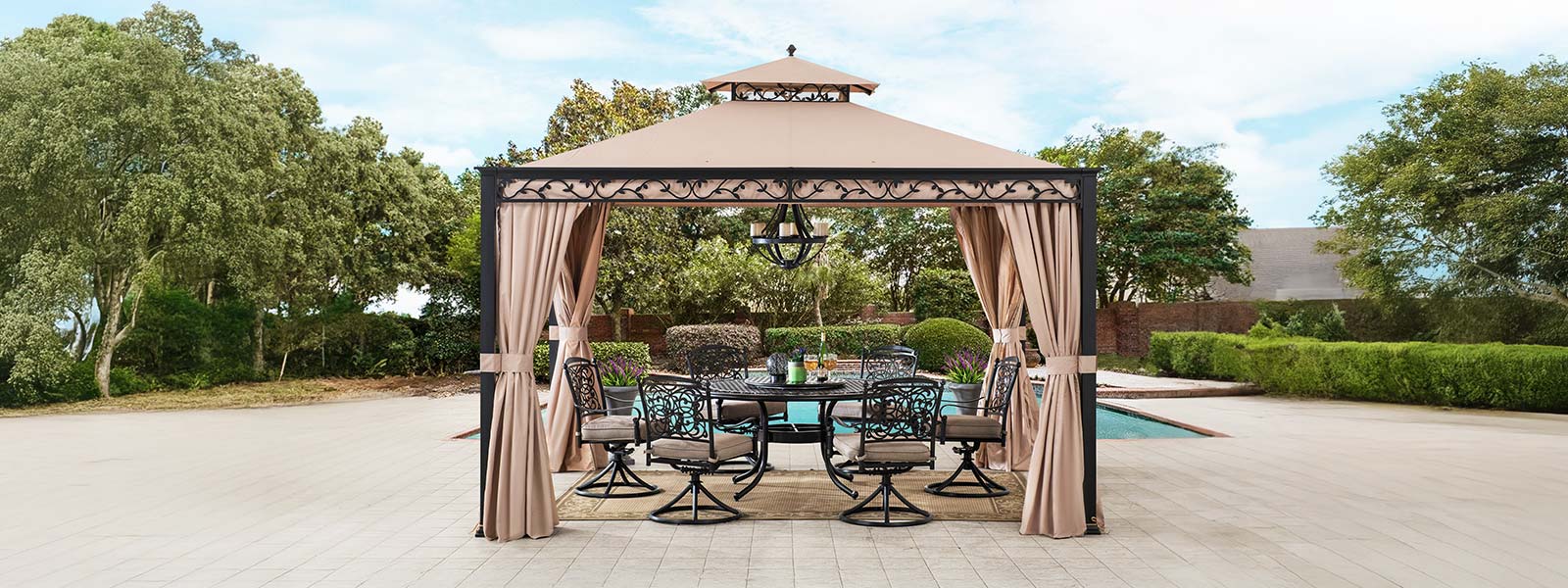
Soft Top Gazebos are meant to offer simple shelter, yet I still see the same failure modes (and they cost money). I sold a 10×12 aluminum-frame model with mosquito netting to a restaurant patio in Dallas in August 2018; within three months the UV-resistant canopy had faded and the anchoring clips bent, creating a 17% return rate on that SKU. That experience taught me the difference between a display unit and a durable product. I tell buyers plainly: a cheap canopy and weak frame will fail under common wind loads — and the math is unforgiving. I use the term wind load rating with customers now, because vague claims mean returns. What frustrates me most is that the fixes are practical and inexpensive, yet manufacturers skip them to save on cost (no kidding). — This is where most traditional solutions fall short, and where we must push for better specs and honest testing.
Why do so many designs ignore anchoring and airflow?
From Faults to Forward Steps: What We Build Next
Technically speaking, the upgrade path is clear: stronger junctions, better mesh integration, and intentional ventilation slots reduce stress on the frame and fabric. I’ve spent over 18 years negotiating product specs with factories — and I can say with confidence that a 10×12 with reinforced corner plates and a tested wind load rating of 30 mph performs dramatically better than one that merely lists “weather resistant.” When we specify an aluminum frame, we insist on thicker gauge tubing and visible welds; when we approve a UV-resistant canopy, we test a batch for colorfastness under a UV lamp for 72 hours. These are exact steps, not marketing fluff.

For wholesale buyers, comparing a plain pop-up to a purpose-built gazebo with netting should be about measurable outcomes: lower returns, fewer warranty claims, and happier end customers. I recommend three evaluation metrics — material gauge (mm), canopy denier, and certified wind load rating — as your checklist. Evaluate samples in person. Ask for test dates and photos from stress tests. I remember one shipment rejected in March 2020 because the factory could not show a stamped wind-load certificate; we delayed the launch and saved the retailer thousands. What’s next? We shift from reactive replacement to specifying reliability up front — and that changes margins, trust, and the customer experience.
What’s Next?
Summary: insist on concrete specs, demand test evidence, and prefer integrated mosquito netting and reinforced anchoring systems — these reduce returns and make installation easier. Measure by three clear metrics: material gauge, UV-resistant canopy rating, and wind load certification. I’ve used this checklist across projects in Austin, Dallas, and Miami since 2016, and it cut my customer complaints by nearly half. Buy smart, specify smarter, and hold suppliers to the numbers — because vague promises cost more than a better part. Oh — and reach out if you want supplier notes or sample photos; I’ll share them. SUNJOY