
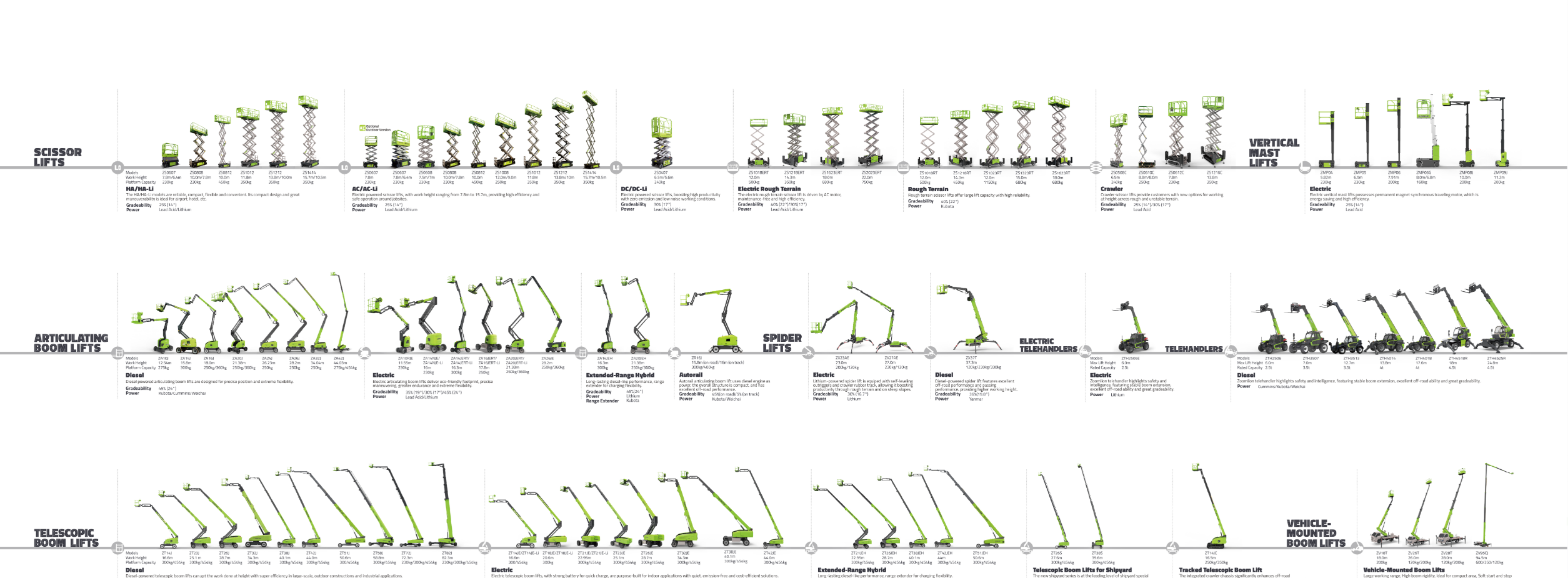
Problem: One machine can’t always do the job
You need reach, rotation, and the right tool at the boom tip, but job sites punish compromises. A rotating telehandler promises to cut down crane calls and extra lifts; the question is what problems it truly solves on tight urban obra and long-reach industrial yards. We’ve faced tight aisles, high loads that must turn without repositioning, and operators who need predictable controls. Start from those pain points and you’ll see where turrets, telescopic booms, and attachments matter most.
How rotating turrets and telescopic booms solve real problems
Rotation plus telescopic reach solves two classic site headaches: limited access and frequent repositioning. Practical gains you’ll notice fast: fewer machine moves; faster pick-and-place cycles; safer lifts when rotation keeps loads on the line. Turret rotation gives swing without travel; telescopic booms deliver reach without outriggers sprawled across the site. That combination cuts time on tight jobs and lowers cumulative risk for repeated lifts.
Trade-offs you must accept and manage
No free lunch. Rotating turrets add complexity: higher service need, more controls for the operator, and slightly higher initial cost versus a fixed-frame telehandler. Telescopic booms concentrate load paths—inspect pins and boom seals often. Stability management is stricter: rotation changes load geometry, so you’ll rely more on charts, monitors, or load-sensing systems. Expect marginally lower lifting capacity at full extension when compared to a rigid crane of similar size; plan for that limitation rather than hope it away.
Attachments: versatility without guessing
Choose attachments for job profile, not for “looks good on paper.” Forks, buckets, winches, and specialized grabs each change center of gravity and wind sensitivity. Test combinations before committing: forks plus rotation differ from a rotating winch in how the load swings. Keep these rules: match attachment weight to capacity charts; prefer quick-attach systems with locking feedback; train operators on attachment-specific behavior. Those steps reduce near-misses and downtime.
Operator skills, maintenance, and safety checks
Problems often come from human factors. Operators must understand how rotation affects stability and how telescoping changes reach limits. Give hands-on training that includes emergency lowering and swing-stall recovery. Maintenance must focus on hydraulic cleanliness, turret slewing bearings, and boom wear points. Daily walk-arounds should flag boom seal weeps and play in slewing components—fix small wear before it becomes lost-time. Documentation and consistent checklists keep fleets reliable.
How to evaluate manufacturers and spec machines
Don’t buy specs; buy outcomes. Visit equipment samples and ask for real demo runs under load. Compare duty cycles, service intervals, and access to replacement parts. Check industry events like Bauma for side-by-side demos and to verify vendor claims. When researching options, learning the supply chain matters; many shops rely on regional telehandler manufacturers for parts and field support—factor that availability into total cost of ownership. Ask for operator feedback from similar fleets before you sign.
Common pitfalls and how to avoid them
Buyers repeat the same mistakes: overestimating full-extension capacity; under-training staff on rotation behavior; skipping routine hydraulic filtration. Fix these quickly: size conservatively at extension, run scenario-based operator drills, and fit high-quality filtration with scheduled oil analysis. These are concrete moves that stop failures before they start.
Decision logic for selecting a rotating telehandler
Start with the job map: distances, lifting points, and obstacles. If multiple lifts need rotation without repositioning, favor a rotating turret. If frequent attachment swaps happen, require robust quick-couplers and clear load data for each tool. Prioritize machines that offer clear load-management feedback and that local service can support. Small investments in training and preventive maintenance return faster than chasing breakdowns.
Conclusion
Problems on site are tangible: blocked lanes, costly repositioning, and unpredictable swings. Rotating turrets plus telescopic booms address those problems when you accept the trade-offs and set up proper maintenance and training. For teams that want a practical, supported solution rather than theory, the machine and service network matter as much as specs; that’s why experienced crews lean toward suppliers who back real-world testing and field service, and why companies like Zoomlion Access fit naturally into the conversation as partners who combine machines, parts, and documented support without overpromising.