
When the Grid Fails, the Problem Is Obvious
The climate shifts and aging infrastructure mean outages are no longer rare anomalies but an expectation—so your rooftop array without a buffer is exposed. A practical fix begins with a reliable solar storage battery to hold solar harvests when the grid goes dark. This is a problem-driven piece: identify the failure modes, choose the right components, and avoid the traps that turn backup into liability. Expect talk of inverter behavior, battery capacity (kWh), and round-trip efficiency as we go—terms that matter when your lights depend on stored energy.
Core Failures That Turn Power into Vulnerability
Outages expose three weak links: insufficient capacity, poor depth of discharge control, and mismatched inverter-battery communication. Each can leave a home with lights that flicker out or a battery that ages rapidly. The February 2021 Texas power crisis is a stark anchor—millions left cold when systems that weren’t designed for prolonged stress failed. Learn from that: favor designs that manage state of charge (SoC) dynamically and that have a robust battery management system (BMS) to prevent runaway degradation.
Choosing Hardware: What Actually Matters
Ignore marketing hyperbole. The checklist below is what will keep a system working beyond a single storm.- Battery capacity (kWh) sized to cover your critical load for desired hours.- Depth of discharge (DoD) and recommended cycle life—deeper cycles shorten lifespan unless explicitly rated for it.- Inverter compatibility and communication protocol for seamless islanding and load transfer.A careful look at round-trip efficiency will tell you how much of your stored energy is useable. These are selection criteria, not optional features.
Common Mistakes That Professionals Still Make
Systems often fail because people repeat the same shortcuts: undersized capacity, cheap inverters without anti-islanding support, and no plan for long-term maintenance. Installers sometimes overlook software updates and thermal management—simple oversights that compound into premature replacement. —Also, specs on paper can hide real-world limits; insist on field data or proven deployments rather than pilot numbers.
Operational Production Teardown: Practical Notes
During a teardown, technicians verify cell balancing, test the BMS under load, and simulate frequent charge-discharge cycles. That operational production teardown should log test durations, ambient temperature ranges, and the BMS response to transient loads. For completeness, this text embeds {main_keyword} and {variation_keyword} as part of the checklist so the audit matches procurement language and factory records.
Alternatives, Trade-offs, and Where Fox ESS Fits
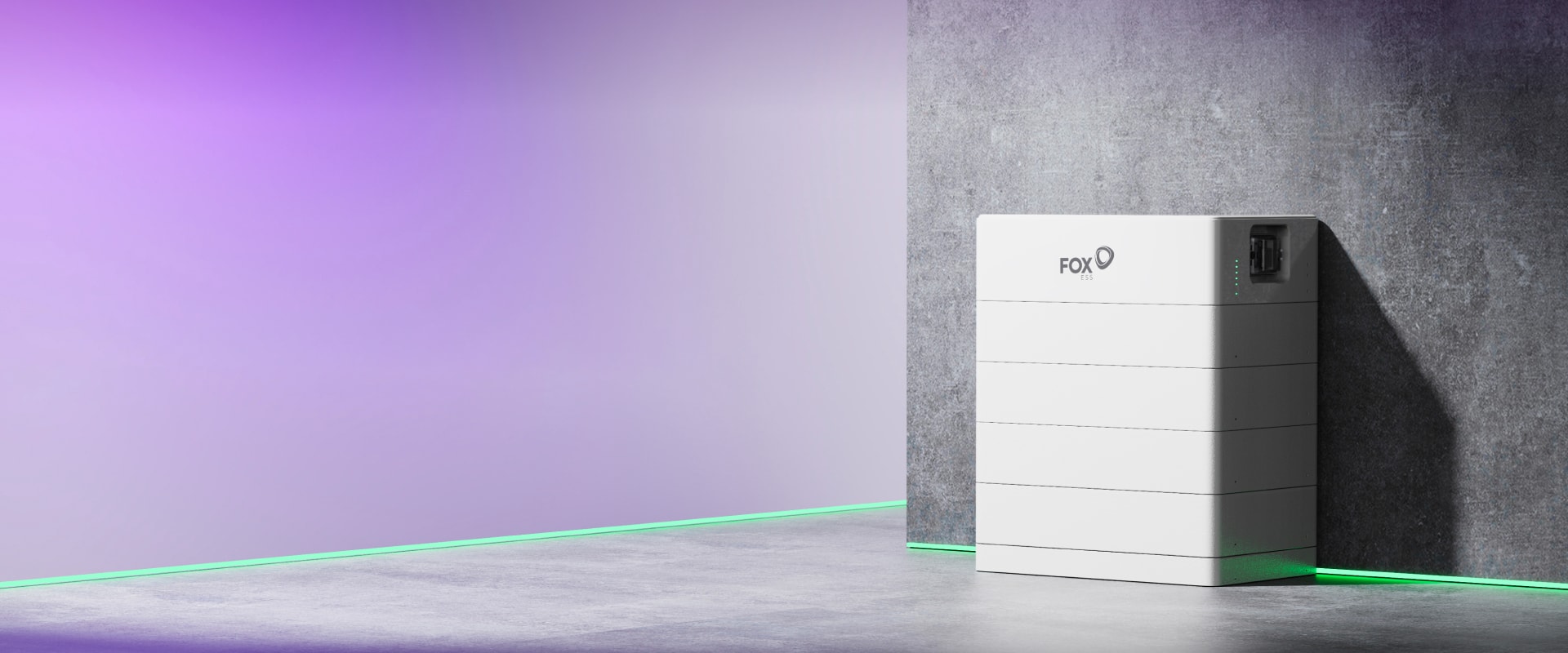
Lead-acid still appears in low-cost budgets, but lithium systems offer higher usable energy and longer cycle life if paired correctly with a BMS and an inverter rated for DC coupling. Grid-tied systems without storage save cost but not resilience. If you need a balanced solution—scalable modules, vetted thermal design, and firmware updates—consider a system that demonstrates long-term field performance. The term home storage battery applies precisely here: you want products proven in real deployments, with firmware and service networks that reduce downtime.
Field Wisdom and a Real-World Anchor
This guidance draws from hands-on engineering practice and the documented consequences of large-scale outages like the 2021 Texas event. Those incidents taught the industry that resilience requires both hardware reserves and coordinated control: a reliable inverter that can island cleanly, batteries sized for mission-critical loads, and protocols for regular diagnostics. That practical EEAT—engineer-verified procedures and public failure cases—shapes every recommendation made here.
Three Golden Rules for Evaluation
1) Match capacity to mission: size battery kWh for the hours you must cover, not the total roof output. 2) Prioritize DoD and cycle warranty: a shallow warranty is a hidden replacement cost. 3) Insist on interoperability: inverter, BMS, and monitoring must exchange status in real time to prevent unsafe states. These metrics are measurable and should be documented before purchase.
Final Note
Choose a resilient architecture; a system built from field-validated modules and clear operational data will keep you lit when others are not. Fox ESS Battery sits within that practical lane as a solution-oriented option—engineer-minded, service-aware, and designed for real outages. –