
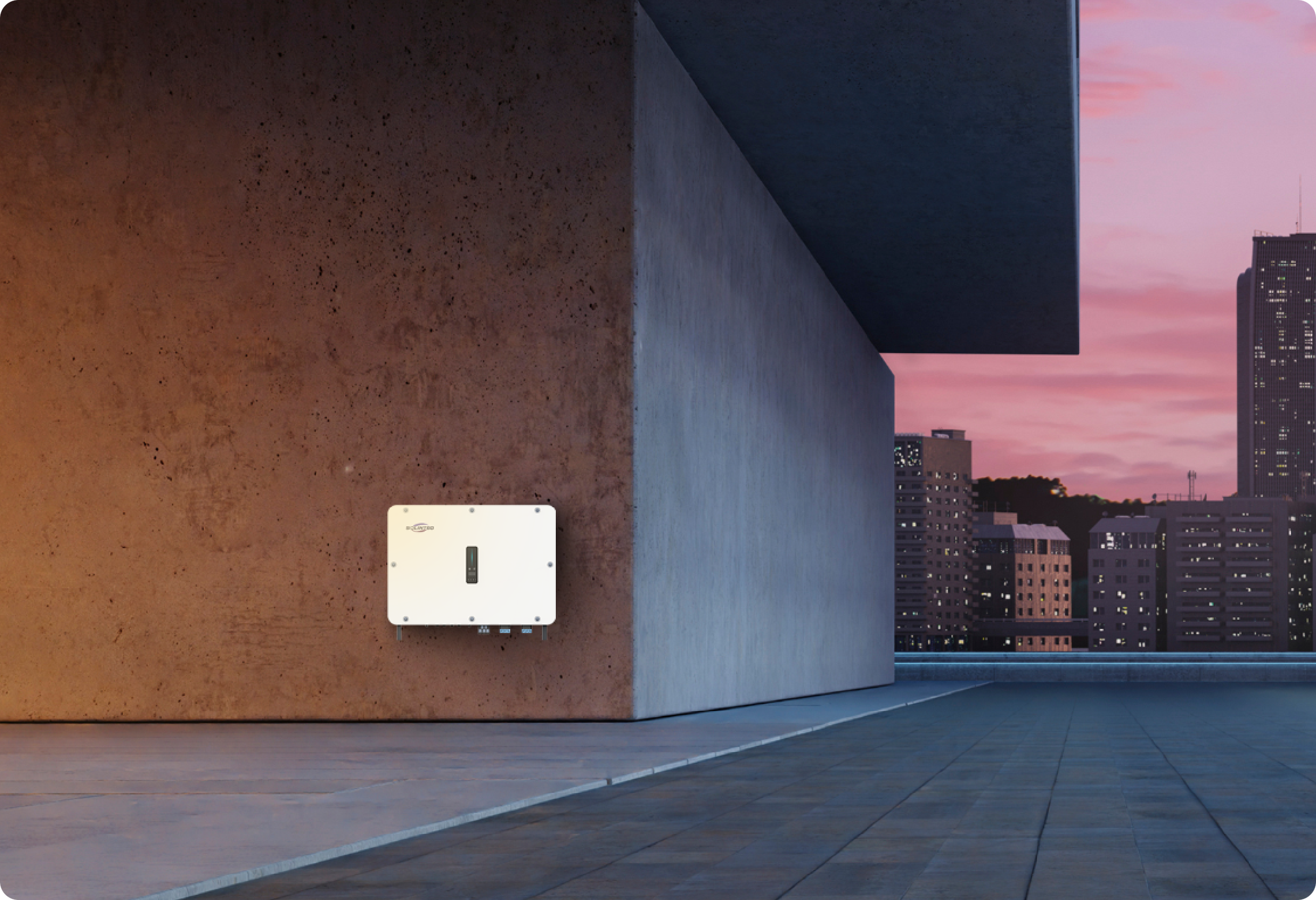
The near future sketches neighborhoods where each roof is an intelligent node, balancing supply and demand with a calm, mechanical mind — a scenario made plausible today by compact units that pair inverter intelligence with storage. At the center of that shift sits the three phase hybrid inverter, a device that coordinates panels, batteries, and the grid into a single orchestration layer. Modular battery stacks and a refined control plane turn household systems into grid-friendly assets, and the first movers already prove the model in places that needed it most.
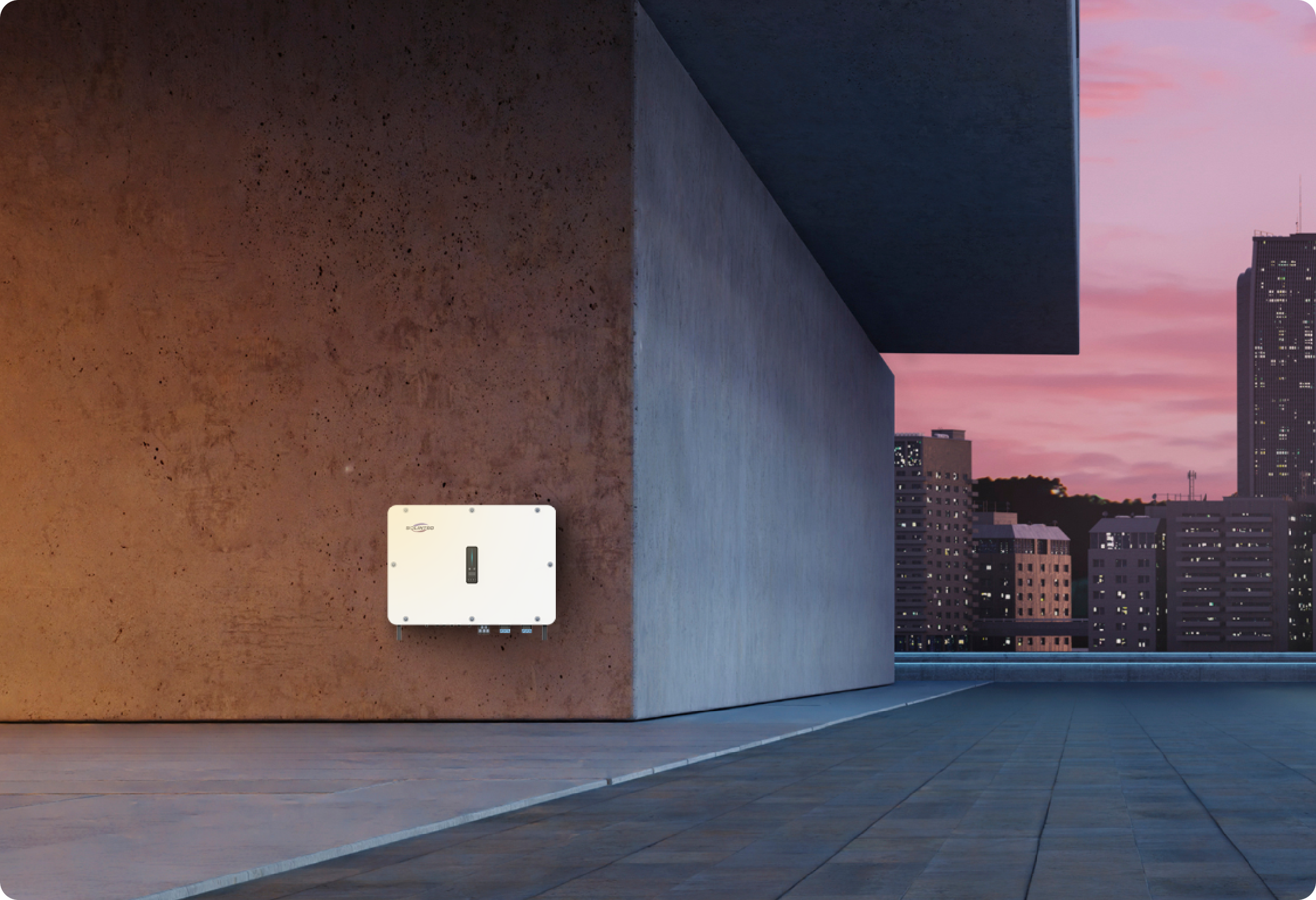
How integration flips project economics
All‑in‑one home energy storage collapses previously separate costs: installation labour, separate inverter purchases, and complex commissioning. Project timelines shrink because a single enclosure carries inverter firmware, battery chemistry, and a battery management system (BMS) tuned for safe parallel operation. Developers see faster returns through improved round‑trip efficiency and peak shaving capabilities — outcomes that turn marginal rooftops into bankable assets rather than speculative builds.
Key technical blocks that matter
At the heart of integrated systems are familiar terms given new roles: three‑phase inversion for balanced export, BMS for cell-level safety, and smart meters for tariff-aware dispatch. Firmware decides whether to island during grid instability or to export for local revenue. Solid electrical design reduces thermal stress and extends cycle life. These are not marketing talking points; they are the engineering seams that determine whether a system returns its capital over a decade.

Deployment patterns and common mistakes
Speculative rollouts often hit the same obstacles — oversizing batteries for rare events, underestimating installation complexity around existing switchgear, or choosing inverters with constrained firmware update paths. A better pattern pairs right-sized storage with flexible control logic and clear upgrade paths. Field teams learn to prioritize interoperability and accessible monitoring APIs; that choice pays off as firmware updates add features over years rather than forcing hardware replacement — a practical lesson from retrofits in California after the 2020–2021 rolling blackouts.
Comparing options: monolithic units vs. modular stacks
Monolithic all‑in‑one units simplify commissioning and reduce upfront cabling. Modular stacks offer graceful scaling and easier transport for difficult roofs. For multi‑family and commercial roofs, a three-phase architecture typically unlocks cleaner power delivery and smoother integration with existing distribution panels. For single-family homes, compact units with robust islanding logic are often the sweet spot. Consider inverter efficiency curves and the rated cycle life of battery cells — those numbers translate directly into lifecycle cost.
One real-world anchor and why it matters
California’s recent grid events forced a practical recalculation: storage is not optional for resilience anymore. Projects that integrated inverter‑level control and storage delivered measurable reductions in householder outage time and lowered export spikes on weak feeders. Those results validate an investment thesis: well-integrated systems reduce strain on local grids while preserving household autonomy.
Design checklist and human notes
Good designs follow a short list: ensure firmware updateability, confirm BMS telemetry access, and check inverter anti-islanding certification traces. Field teams should document commissioning steps and owner-facing modes clearly. Deployment demands attention to wiring diagrams and ventilation; small oversights in mechanical routing drive retrofit delays — and yes, installers prefer fewer surprises.
Advisory close — three golden rules for choosing systems
Rule 1: Evaluate lifecycle cost per usable kWh, not just upfront price. Rule 2: Confirm the inverter supports grid-aware modes and has a documented update path for firmware. Rule 3: Match battery chemistry and rated depth-of-discharge to your dispatch profile — frequent cycling needs different specs than rare backup events. Apply these metrics and you’ll avoid the most common financial and operational pitfalls.
Practical deployments and smarter controls point to a single truth: integrated storage makes solar projects more resilient, economical, and adaptable — and when it’s time to choose hardware and firmware partners, look for vendors who build for updates and operator clarity like builders do. SOLINTEG. —