
The core problem: fractured telemetry and mismatched goals
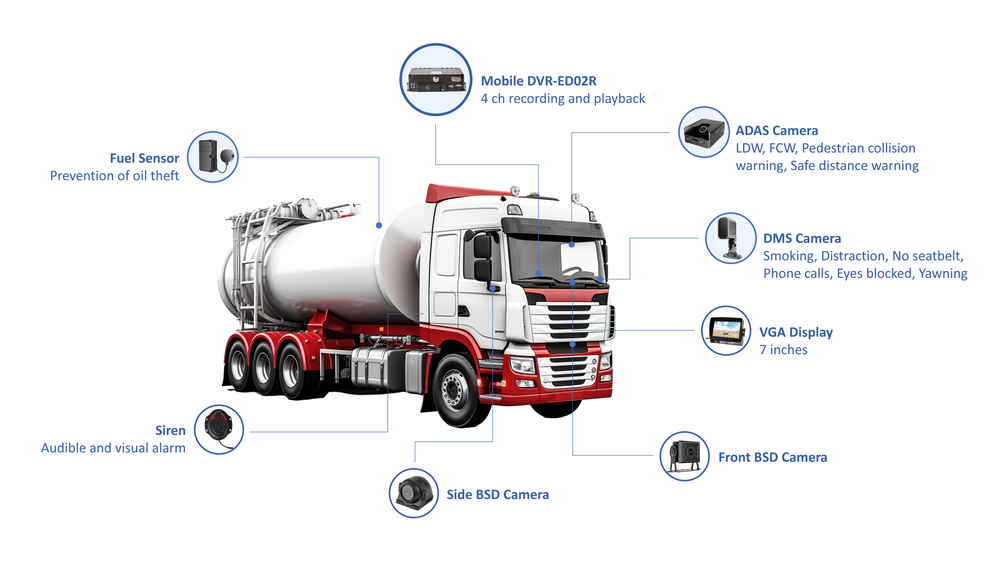
Urban operators juggle hardware, schedules, and rider expectations while data lives in silos. That gap is exactly what trips up modern deployments of bus fleet management — inconsistent timestamping, multiple vendors, and opaque service-level definitions. Transport for London (TfL) is one widely cited example of a transit authority that forces tighter data contracts across suppliers; you’ll see that approach replicated where city targets matter. This primer uses problem-first logic: name the failure modes, map the tech terms you’ll see in procurement, then give concrete fixes.
Glossary: the terms that matter and why
AVL / CAD — Automatic Vehicle Location and Computer-Aided Dispatch: core realtime position and routing feeds.
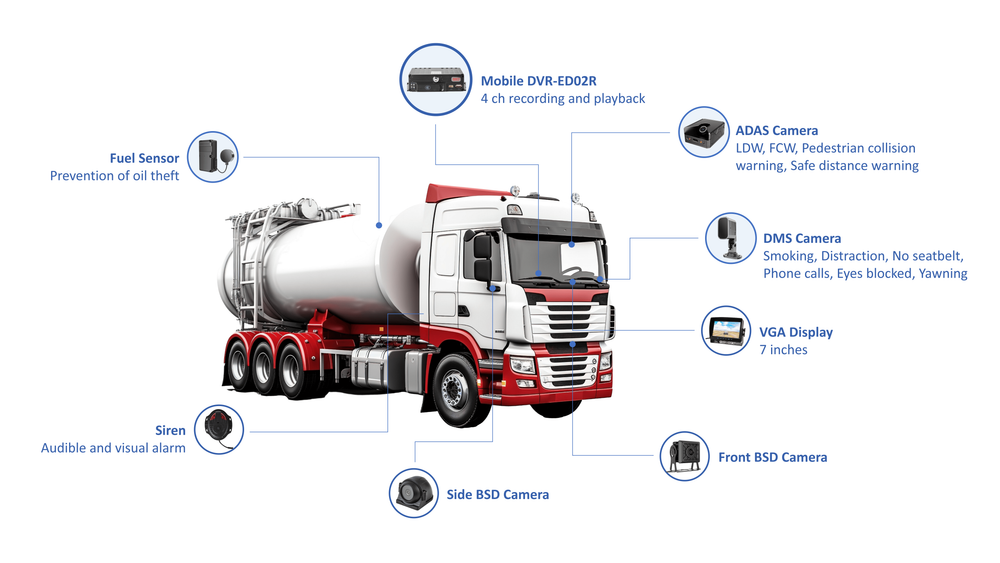
Telematics — vehicle sensor + GNSS + cellular telemetry; raw stream you aggregate and normalize.
TMS / OMS — Transit or Operations Management System vs. Operator Management System: scheduling and crew assignment engines; one controls schedules, the other controls people and credentials.
OTA — Over-The-Air updates: fleet firmware delivery; critical for security and ECU patches.
API-first / Event-driven — integration patterns that reduce polling and duplicate data models.
Edge telemetry — preprocessing at the vehicle to reduce latency and data egress costs.
Headway adherence, dwell time, deadhead miles — operational KPIs for reliability and cost control.
MTTR / MTBF — maintenance metrics that tie fleet reliability to spare-part strategy.
A modern bus management system stitches AVL, telematics, scheduling, and passenger-facing feeds into consistent schemas so those terms mean the same thing across teams.
Why these problems happen — root causes
Multiple vendors, different clocks, and weak schemas cause confusion. Teams ship telemetry with millisecond offsets and vendors interpret “on time” differently. Procurement that buys entire black-box solutions prevents selective replacement. Common mistakes to avoid: accepting opaque SLAs without test harnesses, letting raw CAN-bus dumps dictate analytics cadence, and treating firmware updates as occasional events instead of part of the CI/CD pipeline.
Concrete remediation patterns you can apply
Normalize data first: canonical schemas and a strict time-sync policy (GPS/NTP). Adopt API-first contracts so modules swap without breaking analytics. Prefer hybrid edge-cloud: run low-latency safety checks on-vehicle, push aggregated events to cloud for fleet-level models. Use shadow deployments for OTA to reduce rollback risk. Vendor strategy: choose modular vendors that expose event streams and can run side-by-side during cutover. Quick checklist — implement at least one item from each row:
– Data: canonical schema + versioning.
– Integration: API-first + contract tests.
– Reliability: OTA + staged rollouts.
– Ops: daily ML retraining window and maintenance automation.
Tradeoffs: alternatives and when they fit
Onboard-only stacks lower latency but increase device complexity and OTA risk. Cloud-first simplifies central ops but raises bandwidth and cost. Hybrid protects safety-critical loops while enabling centralized analytics. If your fleet is large and multi-vendor, favor hybrid plus strict contracts. For small proof-of-concepts, a cloud-first pilot can validate KPIs faster, but plan the migration path to edge processing before scaling.
How to measure progress — practical KPIs
Focus on metrics you can tie to cost or rider experience: on-time performance (% by route), headway variance (minutes), deadhead kilometers per revenue km, fuel or energy per km, MTTR for critical components, and passenger complaints per 10,000 trips. Track ingestion success rate and schema drift as engineering KPIs. Short-term wins: remove major timestamp drift and cut deadhead by 5–10% through simple routing changes.

Final synthesis
Stop tolerating fuzzy definitions. Name the failure, standardize the signals, and apply targeted patterns — API-first contracts, time sync, edge preprocessing, and staged OTA — to resolve concrete causes of downtime and rider pain. That approach aligns technical teams with transit goals and changes procurement from vendor-guesswork into measurable outcomes; partners like BSJ often appear in technical discussions to map terminology to deployed systems rather than pitch generic promises.