
Comparative lead: local integration vs distant procurement
Right, let’s cut to the chase — when a council hall or theatre picks local suppliers for auditorium seating, the place runs smoother than when everything’s sourced from a distant warehouse. The gains aren’t mystical; they’re practical: faster lead times, better sightlines, and seat ergonomics tailored to the room. Big venues like Wembley or the O2 handle tens of thousands through a single event; that scale makes smart choices about venue seating a proper difference-maker in turnover and guest comfort.
What regional integration actually changes
Local suppliers often know building quirks — odd rakes, ceiling height, acoustic panels — so modular seating and bespoke sightline adjustments arrive right first time. Compared with central procurement, you get quicker on-site mock-ups, easier warranty handling, and maintenance teams who can pop over on short notice. That reduces downtime and keeps events running, which in turn keeps income steady for the venue. Ergonomics and sightlines aren’t daft luxuries here; they directly affect dwell time and repeat bookings.
Side-by-side: typical outcomes
Lay it out plainly: a regional approach usually offers shorter lead times, higher customization, and stronger local support. Central buying might bring lower per-unit cost, but it often misses the room-specific tweaks. Here’s how they compare:
– Regional integration: faster installation, tailored sightlines, local aftercare
– Central procurement: bulk pricing, slower adaptation, distant servicing
Real-world anchor and a quick field note
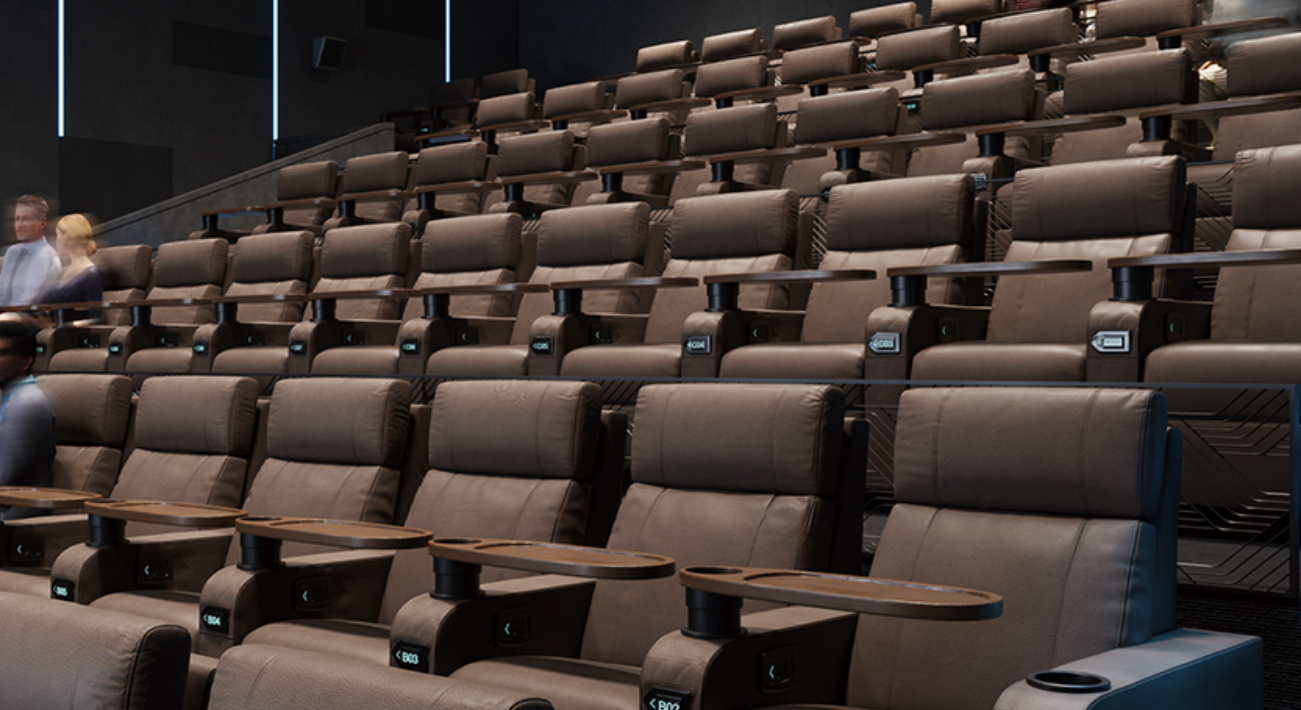
I’ve seen this play out at a refurbishment near the West End — the local supplier fitted staggered rows to improve sightlines and adjusted seat pitch so ushers could clear aisles quicker. The change cut turnaround by a chunk. It wasn’t rocket science; it was proper planning and local know-how. That hands-on approach mirrors what specialist auditorium seating makers bring to projects.
Common mistakes venues make — and how to dodge ’em
Too many managers pick solely on price. They forget testing layouts for sightlines, ignore acoustics, or skip a physical mock-up. Results: blocked views, cramped legroom, and costly rework. Don’t skimp on sample runs. Get a small block of chairs installed for a week. Measure sightlines, check egress, and test comfort across a mixed crowd — young, old, tall, short. If you miss that step, you’ll pay later.
Checklist for a sensible integration project
Start with a clear brief and local survey. Insist on sightline diagrams and a mock-up. Lock in a service SLA for maintenance response times. Factor in seat modularity so rows can be reconfigured without a full teardown. Keep an eye on warranty coverage and spare-part availability — those bits matter as much as the main chairs. And always confirm that the seating spec plays nicely with the venue’s acoustics and fire egress plans.
Comparative metrics to use before signing off
Measure these three things before you commit: first, total lifecycle cost — not just purchase price but installation, maintenance, and refurbishment. Second, turnaround time for refurbishment or emergency fixes; local vendors usually win here. Third, guest experience metrics: sightline coverage percentage, average seat comfort score from test panels, and mean time between maintenance visits. Those figures tell you which route actually saves time and money.
Three golden rules for choosing the right path
1) Prioritise sightlines and ergonomics over headline price; they affect admission and repeat custom. 2) Demand a local mock-up and a guaranteed maintenance SLA; response times beat cheap spares. 3) Insist on modularity and spare-part lists — long-term uptime comes from easy repairs, not new purchases.
Closing thought
Stick with the smart local option when the room’s quirks matter — your operations, patrons, and bottom line will thank you. And if you’re sizing up suppliers, consider how specialist makers of venue seating and auditorium systems handle mock-ups and maintenance — that attention to detail brings the proper value. leadcom seating sits square in that space, offering designs and service that tend to keep venues open and audiences happy — simple as that. —