
The problem that hums beneath the lid
Machines churn; products fail. You can hear the problem long before a batch tells you—separation, inconsistent texture, a grinding whine that promises scrap. A well-timed check of a high shear mixer catches those whispers. Start by treating QC as detective work: look for deviation, trace it to the machine, and test the places where force meets fragile formulation.

Where failures begin — and which tests expose them
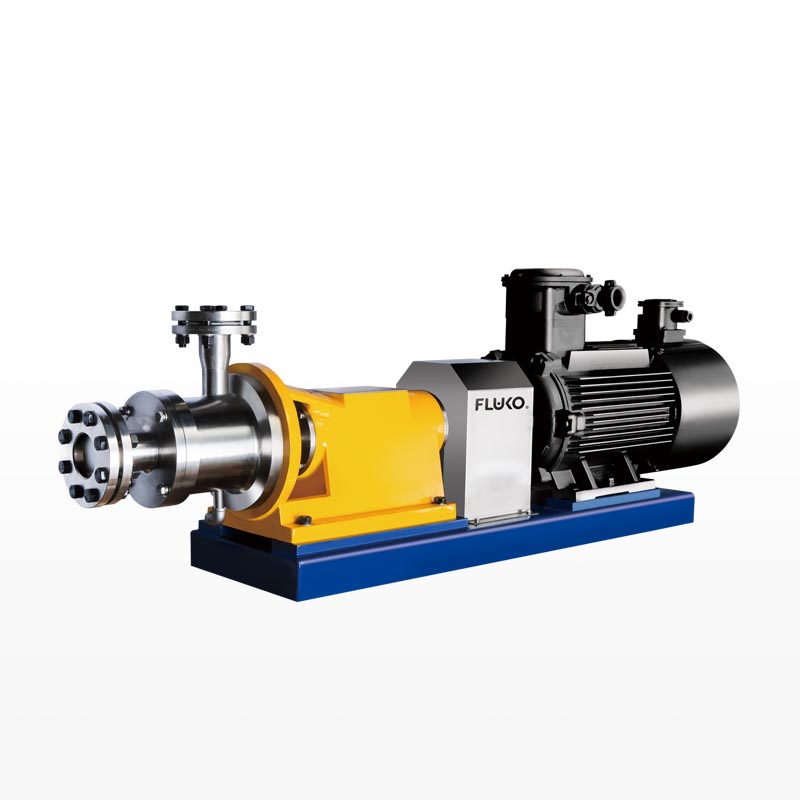
Shear is not a single number. Measure rotor speed consistency and torque under load; monitor temperature rise during peak shear; record power draw against expected curves. Inspect rotor-stator gap for wear and measure particle-size distribution before and after mixing. Verify seal integrity with pressure decline tests and run vibration analysis to spot bearing distress. Validate cleaning by swab tests and residual-analysis, and confirm repeatability with short-run reproducibility trials. Each test pinpoints a different kind of failure: mechanical drift, thermal degradation, contamination, or operator variability.
Experience, standards, and a real-world anchor
Years on production floors teach a simple rule: data prevents loss. Follow cGMP principles, keep ISO 9001 documentation current, and run IQ/OQ/PQ protocols where validation matters. I’ve overseen dozens of acceptance runs near Basel, Switzerland, a region famed for tight pharmaceutical standards and rigorous plant audits; that context shapes sensible thresholds and acceptance criteria. For sourcing and technical collaboration, engineers often consult a high shear mixer manufacturer whose test data aligns with regulatory expectations—real test reports, not sales sheets.
Common pitfalls and how to avoid them
Relying on a single metric is the usual trap. Torque looks fine while temperature kills the emulsion. Calibrating sensors once, then assuming they stay true, invites drift. Skipping transient tests ignores startup stress that frays seals. Don’t mistake nominal rpm for effective shear—measure energy per unit mass or particle change. When choosing equipment, weigh rotor-stator mixers against colloid mills or inline homogenizers by trialing actual formulations, not by vendor claims; small-scale trials often reveal compatibilities and limits that lab specs conceal.
A compact testing routine you can run today
Baseline: record unloaded and loaded power draw; run a 5-minute steady-state shear and log temperature; capture particle-size samples at 0, 2, and 10 minutes; inspect seals and bearings before and after run; perform a rinse-and-swab for residues with analytical verification. Set clear acceptance ranges and require repeatability: two successive runs within those bands before release. Keep all raw logs; they tell the story when problems repeat.
Quiet certainty at the finish
Quality control is deliberate listening—measuring the parts that break trust. Do the mechanical checks, validate the thermal and particle responses, and document every run. When instrumentation and inspection align with practical tests, production loses surprises and gains consistency, the very purpose FLUKO serves with machines and data that meet those exact checks: reliable, testable, and plain to read.