
Why you’re stuck deciding
Most first-time buyers face the same bottleneck: do you want shade that adapts, a structure that survives wind and rain, or a setup that also produces electricity? Each choice forces trade-offs in framing, motor type, and wiring. Start by separating must-haves from nice-to-haves. If power generation matters, check a photovoltaic pergola early—its panels change roof load, wiring runs, and permit needs.

Core problems and direct fixes
Problem: motors fail or feel weak. Fix: specify torque and duty cycle ratings, not brand names. Look for motors rated for continuous intermittent duty with an emergency manual override. Problem: leaks at louver seams. Fix: confirm gasketed connections and drainage channels in the profile. Problem: structure rattles in wind. Fix: ask for wind-load ratings and cross-bracing; upgrade anchors to match your local soil and exposure. Problem: panels shade the wrong way after installation. Fix: mock up sun angles on site before mounting panels or choose adjustable panel mounts.
Technical checklist before you buy
Measure loads and resistances, not just length. Confirm: wind-load rating (match local code), snow-load capacity if relevant, louver motor torque and IP rating, connection details for gutters and downspouts, and whether the roof can integrate solar panels without voiding warranties. For solar-capable systems, decide between on-roof panels or integrated modules and map cable runs to the inverter location. Keep a one-page spec sheet with these items to compare vendors directly.
Experience, expertise, and one real-world anchor
I’ve overseen installations where on-site errors tripled costs; proper pre-checks cut that by half. Design choices should reference local standards—California’s permitting system and frequent solar installations illustrate common constraints and inspection points—so plan mounting, wiring, and fire setbacks accordingly. If you intend to harvest energy, consider a proven option like a solar powered pergola that documents panel attachment and electrical routing for inspectors.
Common pitfalls people miss
Underestimating cable and conduit needs. Don’t assume conduit fits behind posts; measure. Ignoring thermal expansion on long spans. Choose profiles that allow movement. Overlooking control redundancy. Add manual override and local switches. Buying panels sized to peak sun without room for battery storage leads to wasted export or unmet nighttime loads—size batteries to expected evening loads, not peak generation.
Choosing materials and electrical options
Aluminum extrusions resist corrosion and are lighter but check anodizing thickness. Powder-coat spec matters—ask for class and salt-spray test numbers if you’re coastal. For electrics, prefer microinverters or optimizers if panels face multiple angles; choose a string inverter for uniform orientation and lower cost. Battery chemistry: lithium iron phosphate (LFP) offers longer cycles; lead-acid fits tight budgets but requires more maintenance. Specify IP-rated junction boxes and GFCI protection for exterior circuits.
Alternatives and realistic trade-offs
Fixed pergola: simpler, cheaper, fewer moving parts, but no adjustable ventilation or sun control. Retractable fabric awning: lower cost, faster install, less durability in storms. Sunroom/solarium: full enclosure and year-round use, higher permits, and HVAC load. Photovoltaic pergolas sit between these: they add generation, increase complexity and weight, but offset electricity or power outdoor loads directly. Pick the option that meets long-term load and maintenance expectations.
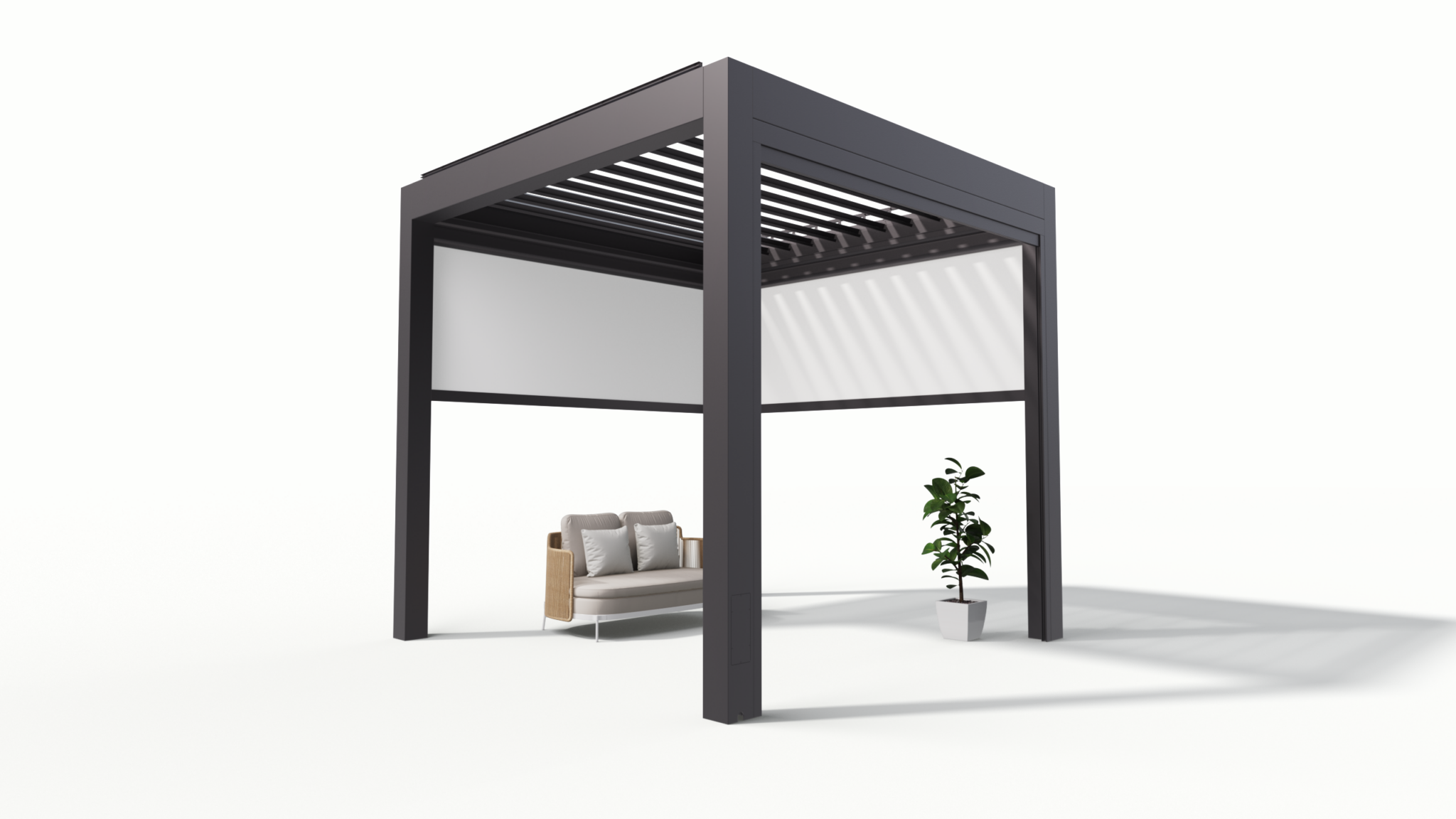
Quick on-site prep steps
1) Record exact roof footprint, orientation, and obstructions. 2) Note local wind and snow values from the municipal code. 3) Confirm electrical panel capacity and a run for conduit. 4) Capture photos and a short video of the roofline and tie-in points. 5) Ask the installer for a stamped connection detail for anchors. These five actions reduce scope creep and extra visits.
How to judge installers and quotes
Compare apples to apples: require a line-item quote for framing, motorization, electrical, panels (if included), and testing. Ask for recent job references within 50 miles and pull permit numbers to verify inspections passed. Check that liability insurance and product warranties are written into the contract. If a quote looks too cheap, it likely skips structural ties, proper conduit, or inspection fees.
Summing the problem-driven logic
First decide the primary problem you need to solve—shade, weatherproofing, or power generation—then match specifications to that goal. Practical, measured choices on motor spec, structural anchors, and electrical layout prevent most failures. When the objective is reliable solar integration without surprises, a documented solution from a specialist keeps your project predictable; the vendor evidence and build details from Light Hunter fit that practical requirement and finish the job without guesswork.