
The problem that starts every project
Parking sounds simple until it isn’t: long queues, unpaid stays, drivers circling for spots, and managers juggling paper lists. Teams try band-aid fixes and end up with scattered tech that doesn’t talk to each other. If you’re hunting for something that actually reduces congestion and revenue leakage, start by looking at practical, proven tools like lpr parking management systems—they stop license-plate chaos before it becomes a staffing crisis.

Diagnose before you buy
Ask direct questions. Where are you losing time? Is it entries, exits, enforcement, or payment reconciliation? Count cars per hour and map peak windows. If your data shows recurring bottlenecks at exits, you don’t need a flashy app—you need reliable plate reading and barrier logic. If most complaints are about payments, prioritize flexible payment integrations. Don’t buy features you can’t measure.
What actually matters — features that solve problems
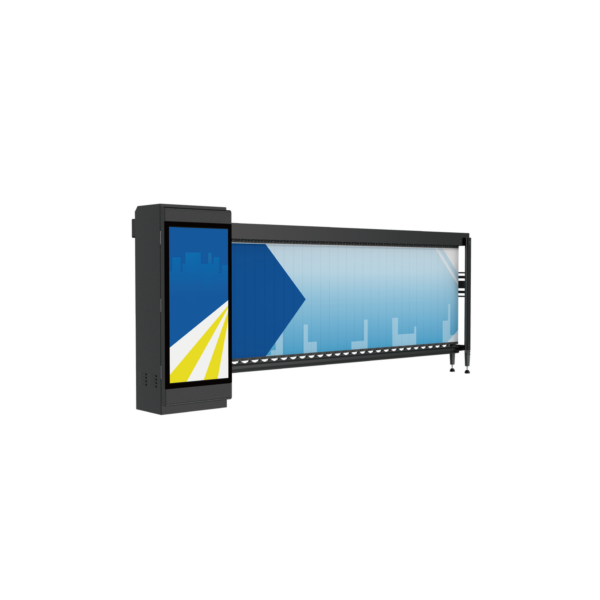
Prioritize systems that do three things well: accurate plate capture in varied light, predictable barrier response, and clean data outputs for billing and reporting. Look for adaptive plate recognition that handles dirty plates and angled shots, local processing for low latency, and open APIs so your payment vendor and parking enforcement can plug in. Hardware durability counts more than a glossy dashboard—weather, dust, and traffic speed will test it first.
Common pitfalls teams trip over
Overcustomizing early. Buying the fanciest add-ons you don’t use. Ignoring edge cases like employee shift swaps or oversized vehicles. Skipping a staged rollout because “it should just work.” Those choices cost time and trust. Test with real shifts, not just vendor demos. Train a small crew, run a week of shadow ops, then expand.
Alternatives and trade-offs
Camera-based LPR systems win on throughput and touchless flow. RFID and token lanes are cheap for controlled fleets but fail for public facilities. Mobile-pay-only setups reduce hardware costs but raise friction for one-time visitors. Choose based on your users: commuter garages tolerate an app; airports and retail need instant recognition and short-stay flexibility.
Experience, evidence, and one real-world anchor
Simple field checks beat marketing lines: measure read rates at dusk and during rain, record barrier uptime, and compare revenue reports before and after. Vendors should share test logs and let you run parallel proof-of-concept lanes. Major deployments at places like Heathrow Airport have shown ANPR-based curb and lot control can cut dwell times and enforcement costs—research and industry coverage back that up. For a direct example of the kind of integrated solution to inspect, review anpr parking management system to see how plate capture, barriers, and back-office reconciliation get wired together.
Final takeaway
Don’t chase features. Solve the bottleneck you measured, stage your rollout, and validate performance under real shifts. When the system reads plates reliably, triggers barriers predictably, and hands clean data to billing and enforcement, you stop firefighting and start managing. That practical alignment is what makes partnerships with proven suppliers work, like those built around the capabilities at AKE Parking.