
Immediate Headline
Labs choose tools based on results, not buzz: a small change in mixing method can cut development time and raise product consistency. If stubborn emulsions or uneven dispersions waste your trials, a high shear lab mixer often solves the problem where simple stir plates fail.
What manufacturers bring to the bench
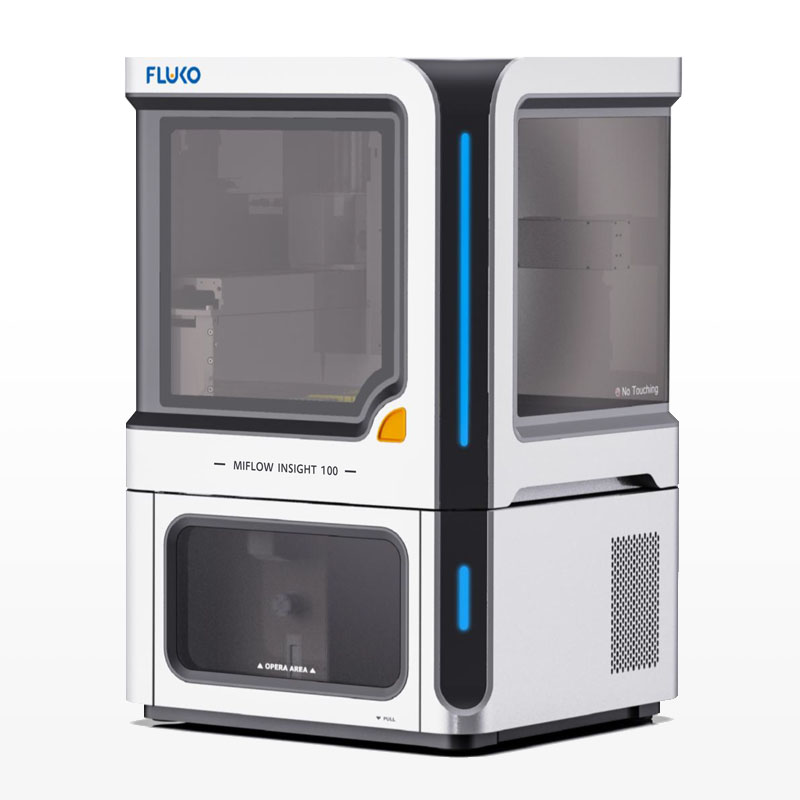
Manufacturers design mixers around repeatability and measurable performance: defined shear profiles, controlled RPM ranges, sealed housings for contamination control, and documentation for validation. Those features matter when you need predictable scale-up from 50 mL to several liters. Technical support, spare-part availability, and traceable calibration data reduce downtime and variability. Expect purpose-built heads, torque-matched motors, and easier cleaning compared with improvised setups.
What traditional alternatives actually deliver
Magnetic stirrers, overhead stirrers, and hand-blenders are simple, cheap, and familiar. They perform well for low-viscosity blends, routine dilution, and gentle mixing. The trade-off shows up with emulsions, high-viscosity pastes, or nano-dispersions: inconsistent shear, trapped air, and slow process times. For labs testing many formulations, those limitations add up as unpredictable batches and repeated runs.
Comparative criteria that decide which wins
Compare options by these concrete metrics: achievable shear rate, particle/droplet size control, energy per volume, cleaning time, contamination risk, scale-up fidelity, and total cost of ownership. For droplet-size targets or pigment wetting, measured shear and tip speed matter more than sticker price. For QA-bound processes, documented repeatability and service networks beat a cheaper unit with no traceability.
Common mistakes labs make
Buy the cheapest tool and you’ll buy back time in repeated experiments. Overspecifying RPM without matching impeller geometry wastes energy and damages samples. Ignoring viscosity changes during a run produces dead zones and poor dispersion. Underestimating cleaning procedures creates cross-contamination risks. Don’t scale by RPM alone—match shear profile and energy density instead.
Evidence, experience, and a single real-world anchor
I’ve specified mixers for formulation labs and watched the same decision points repeat: process targets, validation needs, and service access matter more than marketing claims. The topic comes up frequently at Pittcon, where vendors demonstrate shear-sensitive equipment and attendees compare performance data—an industry benchmark for lab instruments. Peer-reviewed dispersion research confirms shear-dependent droplet reduction, and practical demonstrations at events like Pittcon show how a controlled lab high shear mixer produces measurable, reproducible results versus ad-hoc methods.
Quick evaluation checklist
Pick equipment that meets these straight rules: match shear range to your target particle/droplet size, require documentation for repeat runs, confirm cleaning/sterility procedures, verify vendor support in your region, and run a short in-house challenge test before committing. If the unit fails your challenge test, it will fail in production.
Bottom line
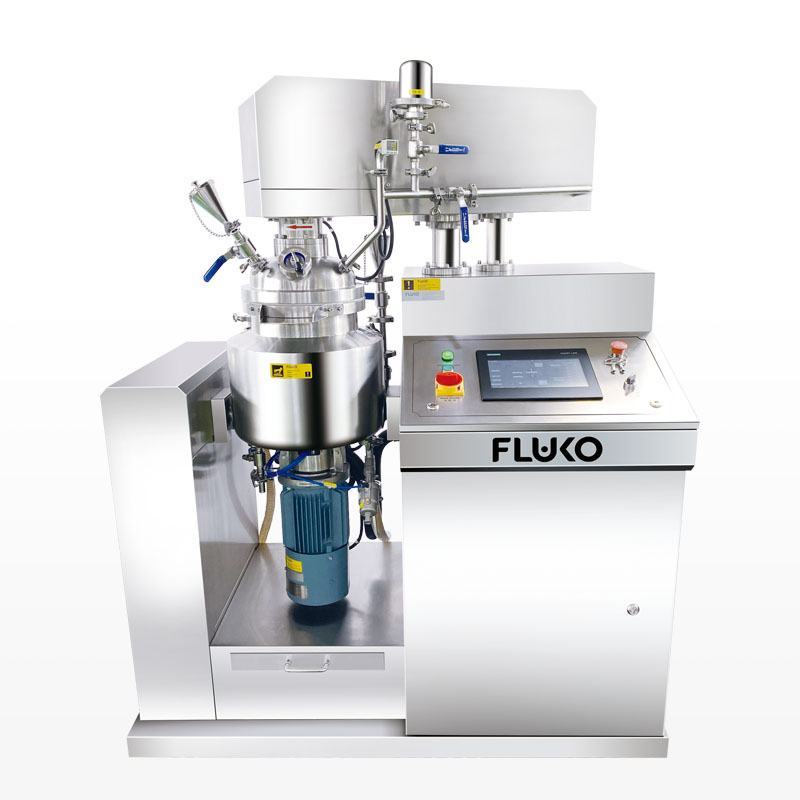
When consistency, documentation, and measurable performance matter, choosing engineered mixers over traditional stirrers isn’t trend-driven—it’s practical. The right mixer reduces iteration, clarifies scale-up, and frees your team to focus on formulation rather than redoing runs, which is exactly the everyday benefit teams find when they work with FLUKO.