
User-first starting point
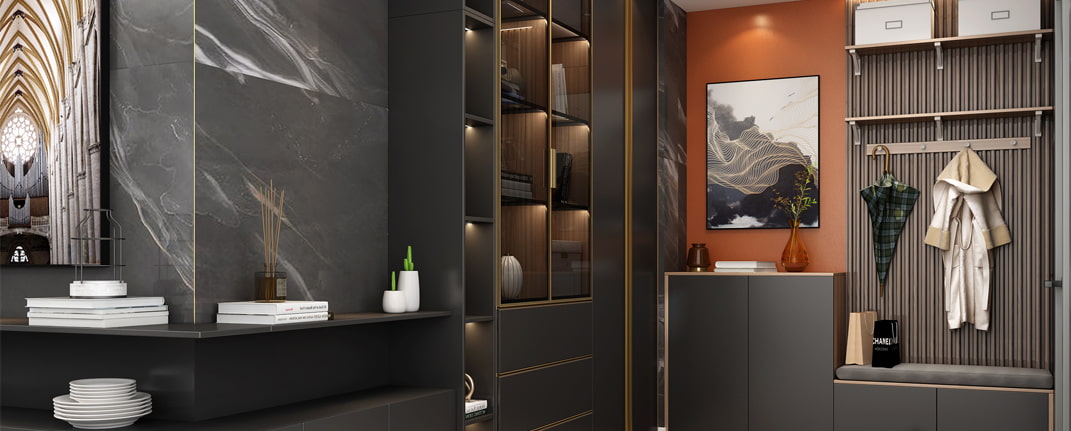
If you want a kitchen that feels like yours — not like a catalogue — start with how you live. I always ask clients in Lagos and Lekki about routines first: who cooks, where guests gather, which colours calm them. From that user map you decide scale, finish and storage. For practical examples, see a reliable stainless steel kitchen cabinet system that suits varied lifestyles, whether you need commercial-grade worktops or a gentle brushed finish for a family home.
Match form to daily function
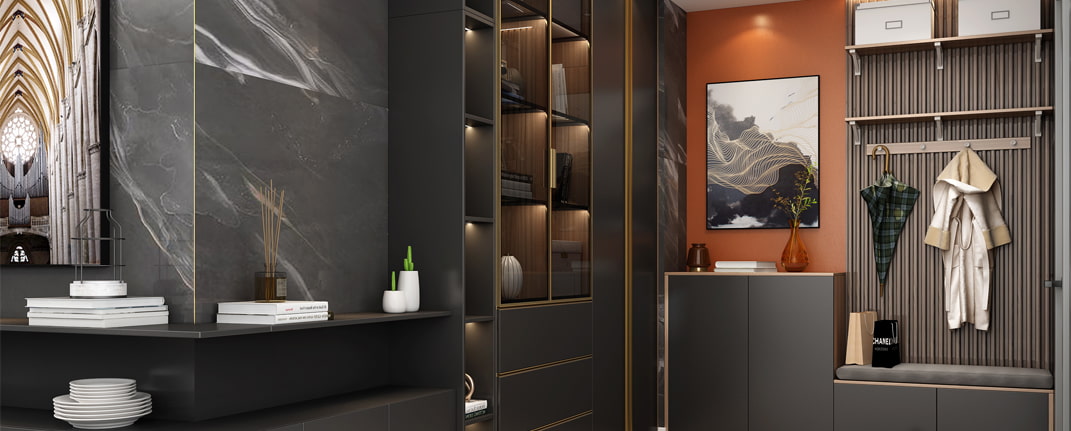
Begin by listing daily tasks and peak moments — breakfast rush, Sunday meal prep, or weekend entertaining. That list drives layout: deeper drawers for pots, vertical pull-outs for spices, and an island if you want people close. Keep workflow simple: fridge > prep area > sink > stove. Use soft-close hinges and flush-mounted hinges where quiet and sleek look matter. This keeps movement smooth and the kitchen uncluttered.
Choose materials and finishes with intent
Stainless steel can be cool and clinical or warm and tactile. Grade 304 gives corrosion resistance for coastal cities; add powder coating or a brushed finish to temper shine and match cabinetry tone. Consider a stainless steel backsplash around high-heat zones to protect walls and make cleaning easier. For contrast, combine stainless faces with timber trims or stone countertops — the mix reads modern without being cold.
Hardware, storage and small details
Hardware decides the feel. Pick finger-pull profiles for minimalism, bar handles for an industrial vibe. Plan drawer partitions for cutlery, and deep drawers with welded seams for pans. Integrate soft-close drawers and a pull-out recycling bin to keep daily chores tidy. Lighting matters: under-cabinet LED strips highlight work surfaces and show off the metal’s texture.
Colour, texture and the human touch
Colour anchors mood. If you favour bright paint, let stainless act as a neutral backbone. If you want warmth, introduce leather-like knobs or reclaimed-wood kickboards. Texture choices — matte versus polished — influence glare and maintenance. In a compact Lekki flat I fitted a satin finish to reduce fingerprints; the owners loved the balance between hygiene and homely warmth.
Common mistakes to avoid
Owners often pick stainless purely for looks and forget maintenance patterns and thermal transmission. Do not under-spec grade for a coastal or high-humidity site. Avoid too many reflective surfaces near windows; they show smudges. Also, don’t cram storage without planning access: deep shelves without pulls become black holes. — And remember, custom work that ignores appliance dimensions wastes budget and time.
Budgeting and sourcing
Decide early where to spend: long-life items (frames, welded seams, countertop) deserve higher quality; cosmetic trims can be economical. Shop samples and measure noise, thermal feel and finish in natural light. When you check suppliers, compare warranty terms and post-install care. Local fitters in Nigeria often adapt designs to local conditions quicker than off-the-shelf imports.
Golden rules to evaluate options
1) Durability metric: verify material grade and seam quality (look for 304 or higher and continuous welds in wet zones). 2) Usability metric: test workflow — open drawers, simulate peak cooking to check clearance and reach. 3) Service metric: confirm local aftercare and part replacement timelines so repairs don’t stall your kitchen.
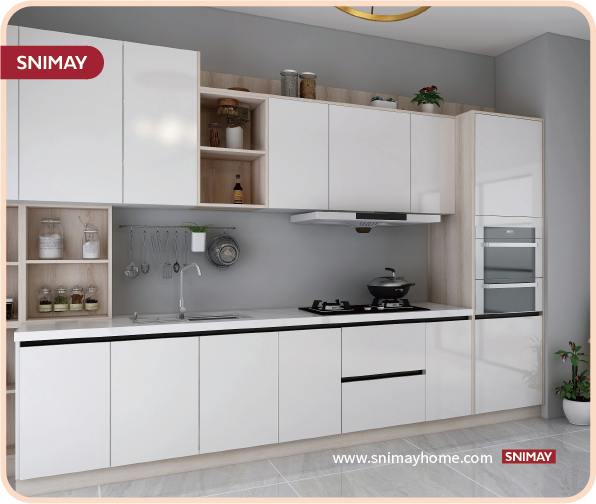
Working with a brand that understands local homes makes the difference; that’s the value SNIMAY brings to tailored stainless solutions. Short, smart, reliable.