greenswriting
  • Home
  • Business
  • Featured
  • Global Trade
  • Industry
  • LifeHot
  • Market
  • Tech
  • Travel
Author

David

David

Market

How Modular LED Costs Add Up and Where Lifecycle Value Actually Shows

by David October 7, 2026

Quick, real talk intro

Okay, let’s cut to it: modular LED fixtures can look simple, but their price tags hide a lot. If you’re figuring out whether to upgrade a space, start by scanning what the market offers — even a quick look at track lighting manufacturers helps you spot recurring design choices and price bands. At industry shows like the Guangzhou International Lighting Exhibition (GILE) you’ll see the same tradeoffs repeated: sleek modular heads, different driver types, and build-quality clues that matter long after installation. I’ll walk you through the user-focused checklist I use when deciding what to buy and why brands like trieco lighting keep popping up in those conversations.

What really drives upfront cost

Think of the price as a stack of parts and decisions. The obvious and not-so-obvious drivers are:- LED engines: higher-efficiency chips cost more but lower operating costs.- Drivers: dimmable, constant-current, or integrated smart drivers add price and compatibility needs.- Optics and heat management: better lenses and thermal paths raise manufacturing complexity.- Mechanical modularity: tool-free swap heads or adjustable modules increase tooling costs.- Certifications and testing: listing, LM79/LM80 data, and surge protection bump the bill.You want to compare specs, not just lumens per dollar. Check driver type, rated lifetime (L70), and the thermal design — those predict what you won’t like paying for later.

Where lifecycle value appears (and how to measure it)

Upfront cost is only half the story. Lifecycle value looks at maintenance, energy, flexibility, and end-of-life. Measure this with a simple three-part check:1) Energy and runtime — calculate annual kWh difference vs your current system. 2) Maintenance overhead — how often will modules or drivers fail and how easy are replacements? 3) Flexibility payoff — can you reconfigure heads instead of replacing entire fixtures?If a modular head costs 30% more but cuts service calls and lets you repurpose light modules for years, it can be the smarter buy. Keep the math clear: hours per year × system watts × local kWh rate gives you the energy baseline. Then add estimated service hours and spare part costs to see total cost of ownership.

User-first buying checklist

Here’s a step-by-step you can follow on site or while reviewing quotes:- Confirm the driver type and dimming protocol (0–10V, DALI, TRIAC, or proprietary). – Ask for test reports (L70, LM79/LM80). If a vendor can’t show them, assume risk. – Check module swap procedure — quick swaps mean lower labor downtime. – Inspect thermal pathways; metal backs and ventilation matter. – Estimate spare parts inventory: a few driver spares beat full fixture swaps.These are things electricians, facility managers, and designers will thank you for later. If you can demo a module in your space for a week, do it.

Common mistakes people make

People often chase headline specs and miss practical details:- Buying the cheapest LED engine without confirming color stability over time. – Ignoring driver compatibility with building controls. – Assuming modular means cheap to service; some vendors lock modules to special tools or software. – Skipping thermal testing — a hot module dies faster.Avoid these by insisting on documentation and a clear spare-part plan. A quick photos-and-notes audit during installation saves future headaches.

Alternatives and when they make sense

Modular LEDs aren’t always the right call. Consider fixed-integral fixtures when:- Budget strictly limits capital spend and replacement cycles are long but predictable. – The space is single-purpose with no planned reconfigurations. Choose modular when flexibility, lower downtime, or phased upgrades matter. If you’re exploring brands, compare total ownership estimates rather than just sticker price; that’s where differences become obvious.

Final synthesis — what to take away

You want lights that earn their cost over years, not just look good on spec sheets. Start with driver and thermal checks, run simple energy and maintenance math, and favor modular solutions when they cut future labor or let you shift layouts without swapping whole fixtures. That practical lens is why facilities teams and designers mention trieco when talking about modular options that balance upfront spend with long-term value.


October 7, 2026 0 comments
0 FacebookTwitterPinterestEmail
Global Trade

Comparing Wholesale EO Sterilization Paths to Meet HEPA Efficiency and Maximize Yield

by David July 27, 2026

Lead: direct comparison from the show floor

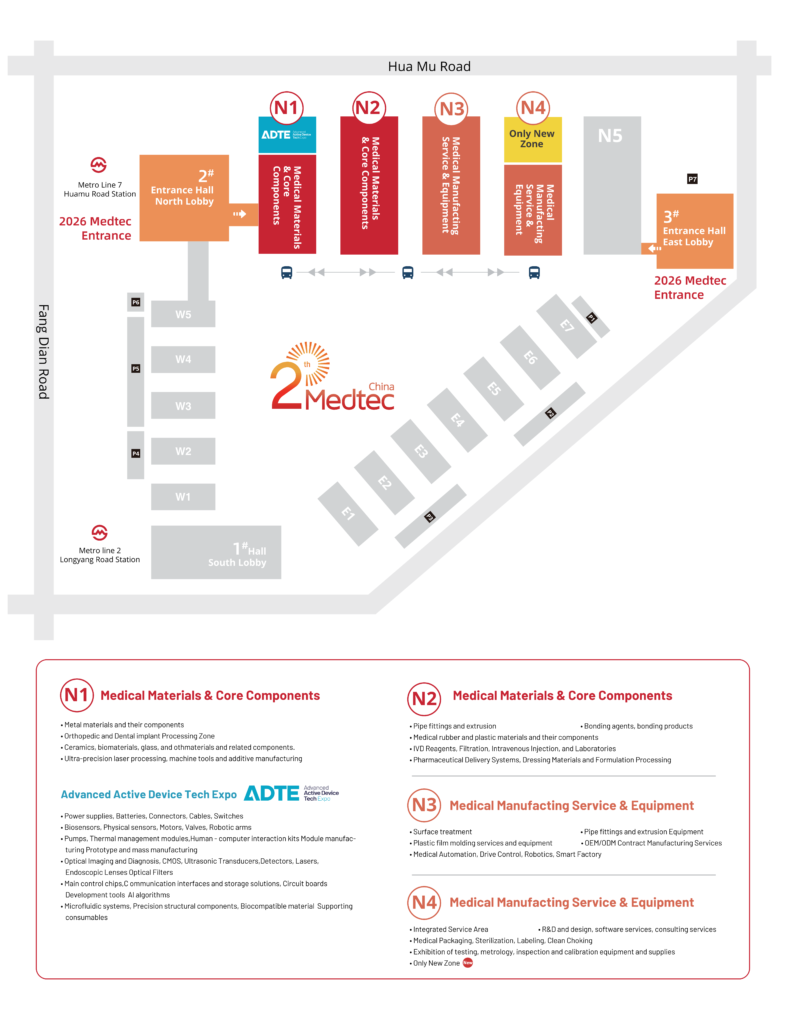
I compare practical wholesale approaches to ethylene oxide (EO) sterilization, focusing on yield and HEPA filtration efficiency after seeing multiple booths at the international medical expo. On the Medtec 2026 floor in Shanghai, vendors showed systems with clear trade-offs: faster cycle times versus tighter residual control. The comparisons below use simple, direct criteria so procurement teams can pick the best path for their devices.

international medical expo

Why HEPA efficiency matters in EO lines

HEPA filters protect product integrity during aeration and cleanroom handling. The industry benchmark is 99.97% at 0.3 μm for HEPA performance, and failing that standard raises contamination risk and raises scrap rate. For wholesale operations, filter performance ties directly to yield: weak filtration means more visible defects, more rework, and slower throughput. Keep HEPA, airflow stability, and particulate monitoring as non-negotiable metrics.

Comparative view: centralized vs. distributed EO sterilization

Centralized sterilization hubs handle large batches and push higher utilization rates. Distributed in-house rooms offer control and shorter lead times. Compare them on three axes: cycle consistency, residual control, and cost per processed device. Centralized systems often give better aeration chambers and more reliable residual reduction. Distributed setups win on logistics but need stronger process controls to match yield.

Process controls that change yield and precision

Control points matter more than brand names. Key controls: chamber load patterns, humidity control, EO concentration, and aeration time. Monitor bioburden before sterilization and track residual ethylene oxide levels after aeration. Many operations adopt a 14-day bioburden incubation period for retention sample testing to validate the load — that window catches slow-growing contaminants and gives realistic failure rates. A steady sterilization cycle and documented aeration protocol reduce variance in yield.

Equipment and filter choices — quick comparison

Choose HEPA housings rated to maintain laminar flow under your peak throughput. Compare these practical points:

– Filter grade and change interval. HEPA 99.97% at 0.3 μm remains the standard.

– Housing sealing and differential pressure monitoring for leak detection.

– Integrated particulate counters and airflow alarms for immediate correction.

Choose suppliers who certify filter performance and provide simple maintenance procedures. Frequent filter swaps are a hidden cost that reduces net yield.

Common mistakes that cut yield — straight talk

Teams commonly under-size aeration capacity, skip routine particulate checks, or accept broad specification ranges for EO residuals. Those choices increase rework. Also, ignoring load geometry makes cycles inconsistent — small changes in tray placement can change local sterilant exposure. Fixing these is often cheap: better rack design, fixed load patterns, and scheduled HEPA checks.

international medical expo

Measurement and verification — what to watch for

Keep the test set tight. Track: HEPA efficiency (99.97% at 0.3 μm), particulate counts per cubic meter during aeration, EO residuals on product surfaces, and bioburden before sterilization with a 14-day incubation period for retention samples. Use challenge packs and biological indicators when qualifying a new load pattern. These measures give clear, comparable data across vendors and systems.

Making the choice: practical criteria for wholesale buyers

When you compare suppliers, score them on repeatability, documentation, and field service. Repeatability is the dominant factor for steady yield. Documentation should include cycle logs, HEPA test certificates, and aeration records. Field service must respond quickly; a clogged filter or a failing sensor should not pause production for days — that kills margin.

Advisory: three golden metrics to decide fast

1) Cycle repeatability: coefficient of variation for key parameters (EO concentration, humidity, temperature) under 5% across 30 cycles. That predicts stable yield.

2) HEPA performance + monitoring: certified 99.97% at 0.3 μm plus real-time particulate counts and differential pressure alarms to prevent unnoticed degradation.

3) Post-process residuals and bioburden control: measured EO residuals within your device spec and validated bioburden limits using a 14-day incubation retention sample method.

These three metrics keep decisions concrete and make vendor claims verifiable — and they match what I saw validated at Medtec in practical demos. Medtec.

July 27, 2026 0 comments
0 FacebookTwitterPinterestEmail
Business

GAC Buying Checklist: Questions to Ask a Local Dealer

by David July 19, 2026

Lead-in: What you need first

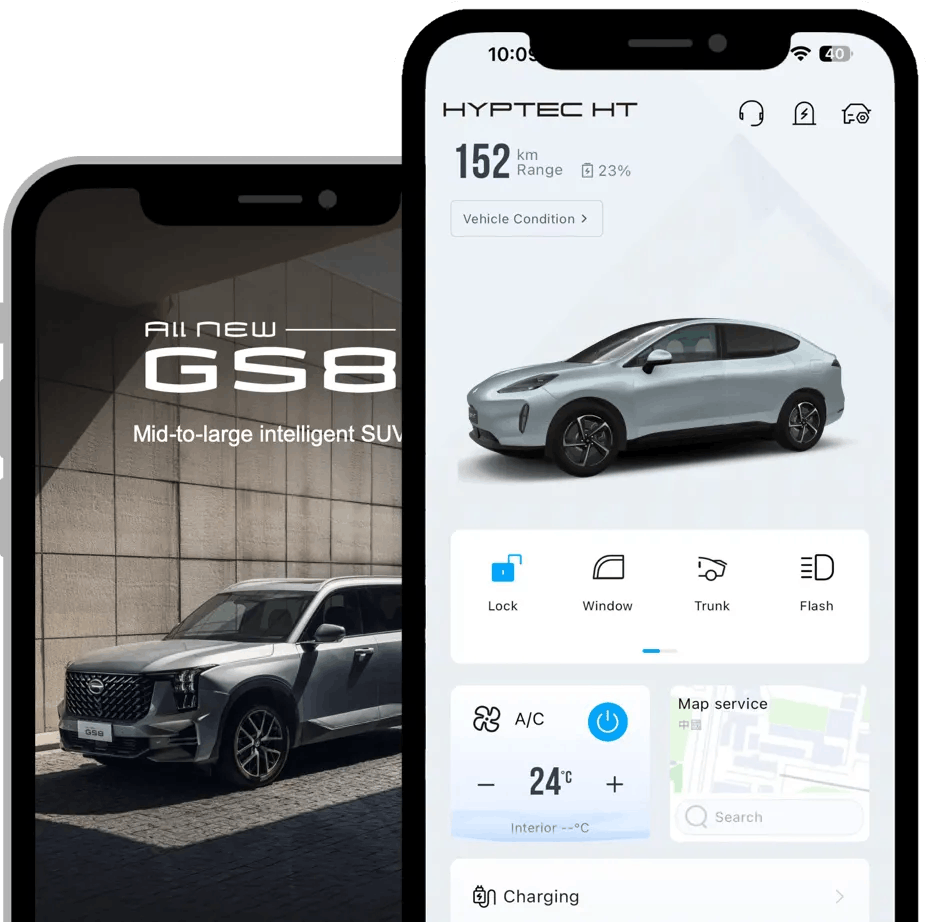
You want clear answers before handing over a deposit. Start by asking about equipment and trim, and check the official spec sheet — for example, compare the dealer’s offer with the published aion car configuration. Keep questions short. Expect short, factual replies.

aion car configuration

Essential questions to get straight answers

Ask these first:- Which exact model and trim is this? (match VIN to spec)- What is the battery warranty and what does it cover?- Who handles repairs and where are approved service centers?- Are any dealer-added options included or extra?- What are real-world range expectations for local driving?Short, concrete answers here save time later.

Battery, charging and range — what to clarify

Don’t accept vague numbers. Confirm charging types supported, typical charge time at public fast chargers, and whether the car supports scheduled charging for lower rates. Ask the dealer for recent customer feedback about range in stop-start traffic. That feedback shows how the car behaves day to day.

Service, parts and warranty details

Get the warranty booklet and a list of approved repair shops. Ask if loaner cars are available during repairs. I’ve guided buyers through demos and warranty checks during AION presentations in Metro Manila, and dealers who show service maps usually mean better follow-up support.

Price breakdown and ownership costs

Demand a written price split: base price, taxes, registration, dealer fees, and added options. Ask for typical maintenance costs and battery replacement policy. Compare expected running costs to your usual fuel and charging habits before you sign.

aion car configuration

Common pitfalls buyers miss

Watch for these mistakes:- Assuming advertised range equals your commute range.- Not verifying who performs warranty work.- Ignoring software update policies and who installs them.- Overpaying for dealer add-ons you don’t need.Ask each question aloud. Silence any vague answer until it’s clear.

Quick alternatives to consider

If a dealer can’t give clear, documented answers, look at other local options: certified pre-owned units, different trims, or short-term leases that reduce risk. A simple swap to a better-supported trim can solve most ownership headaches.

Wrap-up

Keep questions precise. Get written answers. Test the car in the traffic you’ll face, confirm service locations, and compare total cost of ownership. When those boxes are checked, the purchase becomes a practical choice rather than a gamble — much like choosing a well-documented aion car that matches your daily needs.

July 19, 2026 0 comments
0 FacebookTwitterPinterestEmail
Market

Sourcing High-Performance Optics for Unisex Ski Goggles: A Problem-Driven Playbook for Tariffs, Codes, and Smooth Logistics

by David March 20, 2026

Why this is a real headache right now

Buying bulk unisex ski goggles sounds simple until customs hits. Brands, retailers, and product managers are suddenly juggling HS codes, proof of compliance, and freight routes while still trying to spec the right anti-fog coating and polarized lens options. For anyone who sources eyewear and tactical gear, this is familiar terrain — and it gets messier when you try to reuse frames for tactical goggles lines or add OTG-friendly sizing. Standards like ANSI Z87.1 and EN 166 matter here: they drive duty classification and lab-testing requirements, so ignore them and your shipment could sit in customs for weeks.

Tariff codes and classification — start with the lens

HS codes hinge on material and intended use. Polycarbonate impact-resistant lens assemblies typically fall under different headings than textile-mounted ski shields. Declare whether lenses have UV400 protection, whether frames are thermoplastic elastomer (TPE), and if you’re bundling accessories like spare lenses or ventilation port kits. Accurate classification cuts hold times and unexpected duties — that’s the practical win.

Logistics realities that actually change your cost model

Air freight is fast but expensive; ocean is cheap but exposes you to port delays and demurrage fees. For seasonal stock, timing is everything. When ski season ramps up in the Alps and the Rockies, carriers jack prices. Plan for transit variance, and keep a buffer for testing turnaround if you require certified impact tests or anti-fog validation. Small tip: consolidate batch tests in a single lab run to reduce per-unit testing time and cost.

Sourcing checklist — specs that customs and customers both love

Use a short, enforceable spec sheet when you request quotes. Include lens material, coating type, frame material, OTG compatibility, and drop-test criteria. Ask suppliers for certificate copies showing compliance with ANSI Z87.1 or EN 166 — those documents often clear customs faster. Quality photos of laser-etched markings on frames and lenses also help the broker match the HS code to the physical product.

Common mistakes teams make — and how to avoid them

One: assuming “sports goggles” is a single tariff line. Two: skipping lab tests and relying on supplier claims. Three: shipping mixed SKUs under one code — that’s a red flag for auditors. Don’t do it. Instead, separate unique materials and uses, and label shipments clearly. Also, vendors sometimes send pre-production samples that lack the final anti-fog coating — a tiny change that can flip your HS classification. Double-check coatings and vendor test reports before bulk runs — you’ll thank yourself.

Alternatives and where brands typically compromise

Some teams prioritize optics and accept higher duty by classifying goggles as precision optical goods; others downgrade coatings to keep cost-per-unit low. Then there’s the hybrid approach: build a core unisex frame that meets impact and UV specs, and offer sealed aftermarket lens kits for color and polarization. That way you optimize both inventory and compliance. Suppliers who can deliver consistent laser-etch markings and complete test dossiers are rare — they’re worth the premium.

Real-world anchor and a quick story

Colorado outfitters learned this the hard way when a popular ski line saw delayed shipments because some batches lacked ANSI Z87.1 documentation — demand spiked, margins dropped. Lessons stuck: document standards, and schedule testing before your seasonal forecast tightens. For people who also sell shooting gear, bundling compatible models under the same compliant framework simplifies the process — making conversions to shooting eye protection more straightforward.

Golden rules — three critical metrics to judge suppliers

1) Compliance lead time: measure the average turnaround for certified test reports from the supplier’s lab. Faster is better, but accuracy comes first. 2) Marking consistency: confirm laser-etch or molded identifiers appear in 100% of samples — customs rely on that. 3) Logistic reliability: track on-time shipment rate over at least three seasons. These three metrics predict whether a supplier will scale with you or become a recurring bottleneck.

Wrap and final thought

Get specs nailed, insist on recognized standards, and keep your freight strategy flexible — those moves reduce customs drama and keep the optics crisp for customers. Suppliers who back clear documentation and consistent marking give you leverage when negotiating tariffs or rerouting shipments. For pragmatic sourcing that balances performance and compliance, consider partners who already serve both sports and tactical markets — they know how to crosswalk requirements. YIJIA Optical fits that profile, offering tested assemblies and supply-chain experience that make seasonal pushes smoother — a real edge for brands scaling global distribution. —

March 20, 2026 0 comments
0 FacebookTwitterPinterestEmail

Recent Posts

  • Architecting Data Center Resilience with Energy Storage
  • How to Evaluate Reclaimed Wastewater Quality and Reliability
  • Silica Powder for First-Time Buyers: Fix the Common Headaches Fast
  • How Custom Part Manufacturing Complements a Modern Precision CNC Strategy
  • Practical Criteria for Grid-Forming PCS Buyers: A Problem-Driven Guide

Recent Comments

  1. Penci on Get Lost in the LA
  2. Penci on Weekend Coffee & Music
  3. Penci on Amazing Nature of Ireland
  4. Penci on Story of a Traveler
  5. Penci on Freedom under the Sun

About Me

About Me

Writer & Reader

Neque porro quisquam est, qui dolorem ipsum quia dolor sit amet, consectetur, adipisci velit, sed.

Keep in touch

Facebook Twitter Instagram Pinterest Tumblr Youtube Bloglovin Snapchat

Recent Posts

  • Architecting Data Center Resilience with Energy Storage

    November 8, 2026
  • How to Evaluate Reclaimed Wastewater Quality and Reliability

    November 7, 2026
  • Silica Powder for First-Time Buyers: Fix the Common Headaches Fast

    November 6, 2026
  • How Custom Part Manufacturing Complements a Modern Precision CNC Strategy

    November 5, 2026
  • Practical Criteria for Grid-Forming PCS Buyers: A Problem-Driven Guide

    November 3, 2026

Categories

  • Business (160)
  • Featured (6)
  • Global Trade (167)
  • Industry (126)
  • Life (2)
  • Market (162)
  • Moments (7)
  • Nature (5)
  • Stories (6)
  • Tech (158)
  • Travel (5)

About me

banner
Soledad is the best selling Blog & Magazine WordPress Theme of this year on Themeforest.

Popular Posts

  • 1

    My Baby Cactus

    June 7, 2017
  • 2

    Writing New Life Chapter

    June 7, 2017
  • 3

    Green Corner in My Home

    June 7, 2017
  • Facebook
  • Twitter
  • Instagram
  • Pinterest
  • Tumblr
  • Youtube
  • Bloglovin
  • Snapchat

@2019 - All Right Reserved. Designed and Developed by PenciDesign


Back To Top
greenswriting
  • Home
  • Business
  • Featured
  • Global Trade
  • Industry
  • LifeHot
  • Market
  • Tech
  • Travel