
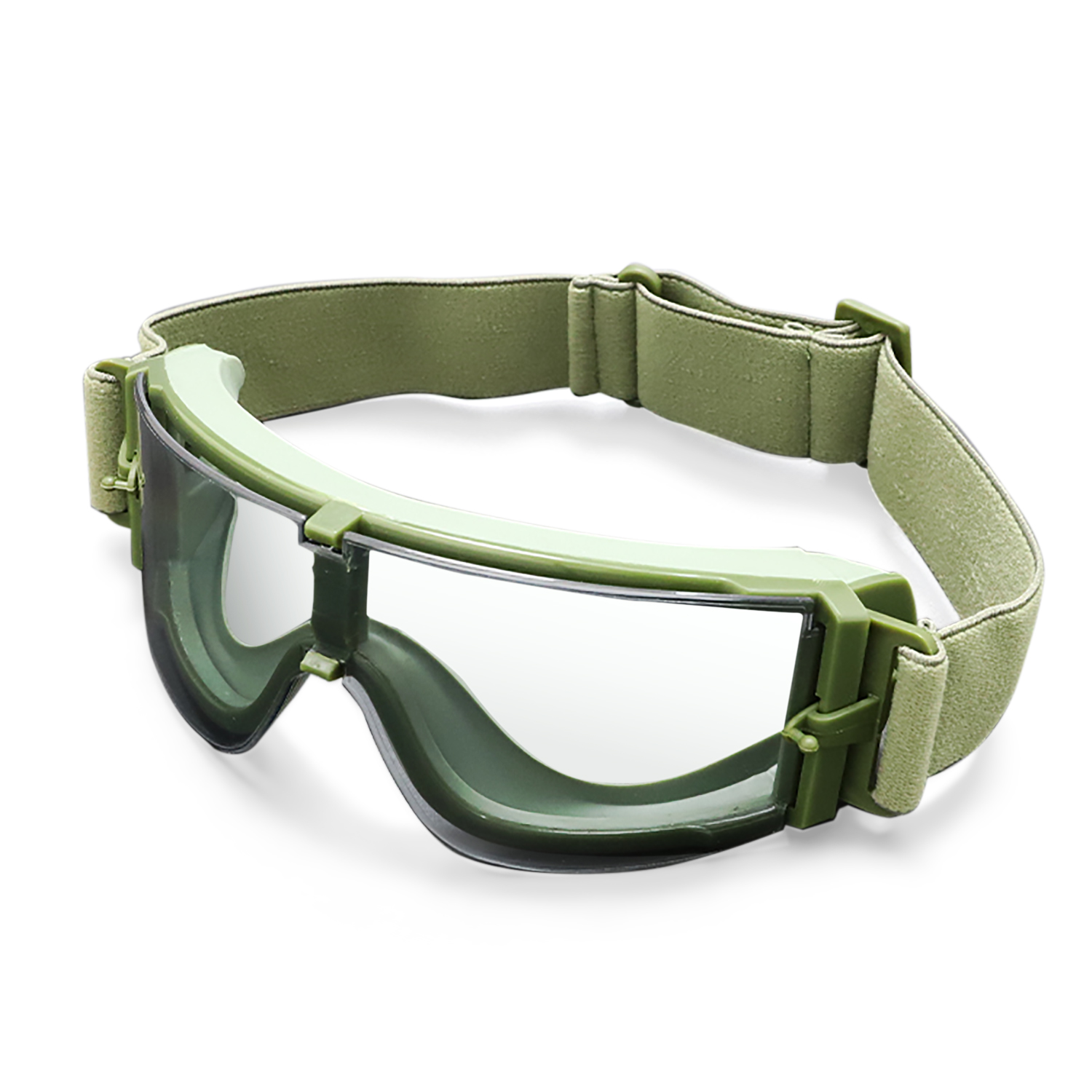
Why this is a real headache right now
Buying bulk unisex ski goggles sounds simple until customs hits. Brands, retailers, and product managers are suddenly juggling HS codes, proof of compliance, and freight routes while still trying to spec the right anti-fog coating and polarized lens options. For anyone who sources eyewear and tactical gear, this is familiar terrain — and it gets messier when you try to reuse frames for tactical goggles lines or add OTG-friendly sizing. Standards like ANSI Z87.1 and EN 166 matter here: they drive duty classification and lab-testing requirements, so ignore them and your shipment could sit in customs for weeks.
Tariff codes and classification — start with the lens
HS codes hinge on material and intended use. Polycarbonate impact-resistant lens assemblies typically fall under different headings than textile-mounted ski shields. Declare whether lenses have UV400 protection, whether frames are thermoplastic elastomer (TPE), and if you’re bundling accessories like spare lenses or ventilation port kits. Accurate classification cuts hold times and unexpected duties — that’s the practical win.
Logistics realities that actually change your cost model
Air freight is fast but expensive; ocean is cheap but exposes you to port delays and demurrage fees. For seasonal stock, timing is everything. When ski season ramps up in the Alps and the Rockies, carriers jack prices. Plan for transit variance, and keep a buffer for testing turnaround if you require certified impact tests or anti-fog validation. Small tip: consolidate batch tests in a single lab run to reduce per-unit testing time and cost.
Sourcing checklist — specs that customs and customers both love
Use a short, enforceable spec sheet when you request quotes. Include lens material, coating type, frame material, OTG compatibility, and drop-test criteria. Ask suppliers for certificate copies showing compliance with ANSI Z87.1 or EN 166 — those documents often clear customs faster. Quality photos of laser-etched markings on frames and lenses also help the broker match the HS code to the physical product.
Common mistakes teams make — and how to avoid them
One: assuming “sports goggles” is a single tariff line. Two: skipping lab tests and relying on supplier claims. Three: shipping mixed SKUs under one code — that’s a red flag for auditors. Don’t do it. Instead, separate unique materials and uses, and label shipments clearly. Also, vendors sometimes send pre-production samples that lack the final anti-fog coating — a tiny change that can flip your HS classification. Double-check coatings and vendor test reports before bulk runs — you’ll thank yourself.
Alternatives and where brands typically compromise
Some teams prioritize optics and accept higher duty by classifying goggles as precision optical goods; others downgrade coatings to keep cost-per-unit low. Then there’s the hybrid approach: build a core unisex frame that meets impact and UV specs, and offer sealed aftermarket lens kits for color and polarization. That way you optimize both inventory and compliance. Suppliers who can deliver consistent laser-etch markings and complete test dossiers are rare — they’re worth the premium.
Real-world anchor and a quick story
Colorado outfitters learned this the hard way when a popular ski line saw delayed shipments because some batches lacked ANSI Z87.1 documentation — demand spiked, margins dropped. Lessons stuck: document standards, and schedule testing before your seasonal forecast tightens. For people who also sell shooting gear, bundling compatible models under the same compliant framework simplifies the process — making conversions to shooting eye protection more straightforward.
Golden rules — three critical metrics to judge suppliers
1) Compliance lead time: measure the average turnaround for certified test reports from the supplier’s lab. Faster is better, but accuracy comes first. 2) Marking consistency: confirm laser-etch or molded identifiers appear in 100% of samples — customs rely on that. 3) Logistic reliability: track on-time shipment rate over at least three seasons. These three metrics predict whether a supplier will scale with you or become a recurring bottleneck.
Wrap and final thought
Get specs nailed, insist on recognized standards, and keep your freight strategy flexible — those moves reduce customs drama and keep the optics crisp for customers. Suppliers who back clear documentation and consistent marking give you leverage when negotiating tariffs or rerouting shipments. For pragmatic sourcing that balances performance and compliance, consider partners who already serve both sports and tactical markets — they know how to crosswalk requirements. YIJIA Optical fits that profile, offering tested assemblies and supply-chain experience that make seasonal pushes smoother — a real edge for brands scaling global distribution. —