
greenswriting
  • Home
  • Business
  • Featured
  • Global Trade
  • Industry
  • LifeHot
  • Market
  • Tech
  • Travel
Author

Justin

Justin

Global Trade

Facade Lighting Framework: Provisioning Custom LED Outdoor Solutions for Large-Scale Commercial Buildings

by Justin July 5, 2026

Introduction — why a framework matters

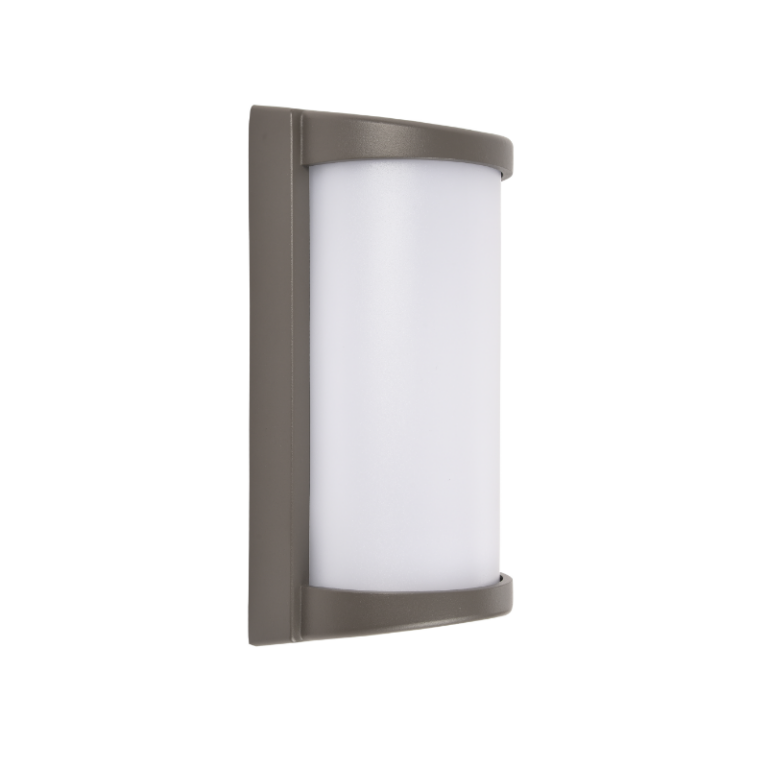
Large-scale commercial facades demand a systematic approach rather than ad-hoc fixtures. A framework guides decisions from technical briefing through commissioning and lifecycle costs, ensuring consistency in lumen output, glare management and energy performance. Start with a clear programme: objectives, night-time presence, budget envelope and sustainability targets. Early on, trial a representative unit such as a led outdoor wall sconce to verify scale and finish against your vision.

led outdoor wall sconce

Stage 1 — site audit and performance goals

Begin with a physical audit: façade materials, mounting heights, viewing distances and ambient light. Benchmark desired visual outcomes (wash, grazing, accent) and measurable targets — average illuminance, uniformity ratio, and maximum allowable lux on neighbouring properties. Use the Kenyatta International Conference Centre (KICC) on Nairobi’s skyline as a practical anchor: its lighting choices illustrate how massing and texture respond differently to wash versus grazing optics. Also note access points for installation and future maintenance, since they drive hardware selection and service contracts.

Stage 2 — concept development and optical design

Translate goals into optical strategies: select beam angles, optics and mounting geometry to avoid spill and to manage cut-off. Consider colour temperature and CRI early; selecting 3000K with CRI ≥80 is common for warm yet accurate façade presentation. Mock-ups and photometric studies (lux maps and iso-contours) prevent surprises on site — and they provide a clear acceptance baseline for contractors.

Stage 3 — specification, materials and ingress protection

Write specifications that are tight on function but allow supplier innovation on form. Key items: rated lumen maintenance (L70 at 50,000 hours), IP rating suited to location (IP65 or higher for exposed façades), driver type (DALI or DMX where controls integration is planned), and material choices such as aluminium housings for corrosion resistance. For surface-mounted accents or integrated wall fixtures, consider proven products like aluminum outdoor wall lights — they combine weather resilience and thermal management essential for long life. Specify acceptance tests: photometric verification, insulation resistance, and on-site driver temperature checks.
led outdoor wall sconce

Stage 4 — supplier selection and procurement strategy

Score suppliers across technical fit, sample-to-production fidelity, warranty terms and local support. Weighting might be: 30% technical compliance, 25% delivery reliability, 20% after-sales service, 15% price and 10% sustainability credentials. Insist on factory acceptance tests and a small on-site trial run to validate installation interfaces — this reduces change orders and rework. Where possible, source fixtures with local support or regional spares to shorten MTTR (mean time to repair).

Stage 5 — installation, controls and commissioning

Coordinate lighting, electrical and façade trades with an installation plan that minimises scaffold time and protects finishes. Integrate controls strategy early: are scenes required, daylight harvesting, or adaptive dimming? Choose suitable control protocols (DALI, DMX, or proprietary) and plan for addressing and documentation. Commissioning should include a full lighting audit: compare delivered lux maps to design models, verify colour temperature and check thermal performance of drivers and LEDs. A clear punch-list closes the circuit between design intent and operation.

Stage 6 — operations, maintenance and lifecycle planning

Define routine tasks: lens cleaning intervals, driver checks, and firmware updates for networked controls. Build spare-part lists and a replacement schedule based on lumen depreciation figures rather than calendar time; this avoids premature replacements or sudden failures. Factor in energy savings from LEDs — typically up to 70% compared to legacy lamp systems — when modelling total cost of ownership and payback horizons.

Common mistakes and how to avoid them

Three recurring errors are specification vagueness, late control decisions, and underestimating maintenance access. Vague specs invite substitutions that erode appearance and photometrics. Leaving control strategy to last minute forces workarounds that compromise scene quality. Finally, failing to plan for access increases long-term service costs — and can shorten valid warranty claims. A practical mitigation: require vendor-provided mock-ups and on-site commissioning with the appointed controls integrator — it aligns expectations early. —

Advisory — three golden rules for procurement and delivery

1) Evaluate by performance, not just appearance: demand photometric reports and on-site lux verification to confirm design intent. 2) Prioritise serviceability: choose fixtures with documented thermal paths, replaceable drivers and local spares to reduce downtime. 3) Insist on controls interoperability: specify protocols and address plans to prevent locked systems and future obsolescence.

When these rules are applied consistently, procurement becomes predictable and façades perform as intended across seasons and uses. For complex commercial projects, that predictability is precisely where specialist suppliers such as Keyida provide measurable value. —
July 5, 2026 0 comments
0 FacebookTwitterPinterestEmail
Market

Revolutionizing the Road: Emerging Trends in Automotive Injection Molding

by Justin April 29, 2026

Driving Change in Manufacturing

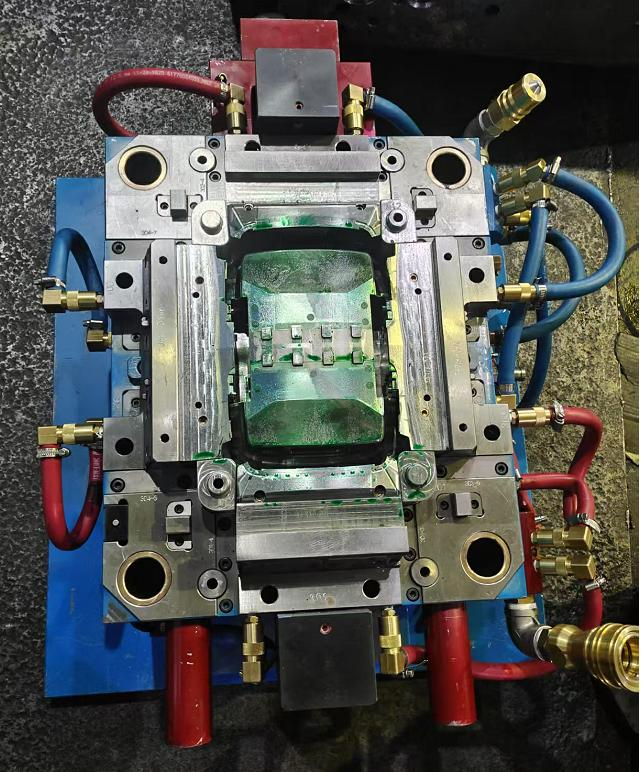
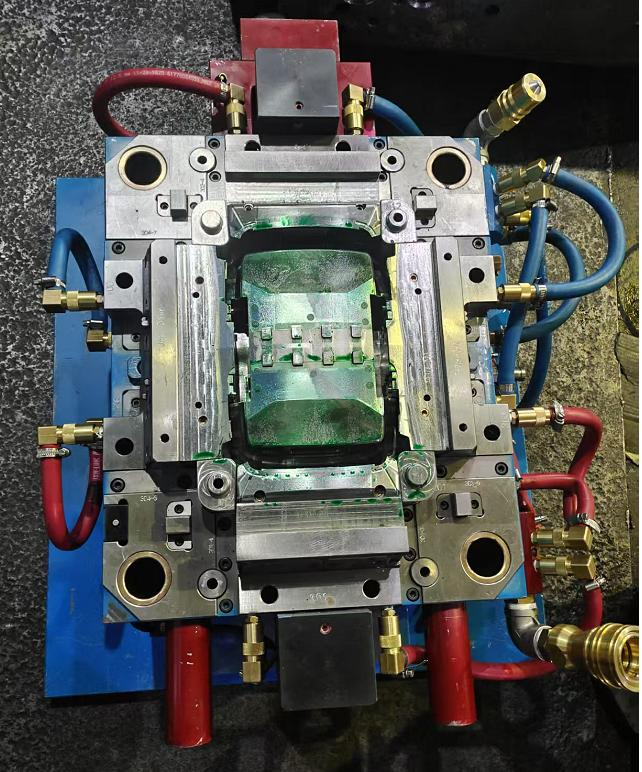
Picture this: a bustling automotive factory in California, where technology meets creativity. Sales in the automotive industry reached over $1 trillion last year. But here’s the kicker—how do manufacturers maintain such staggering numbers? Automotive injection molding solutions play a crucial role in this equation. With intricate designs and rapid production cycles, these solutions are invaluable for creating high-quality parts efficiently.

automotive injection molding

Why Traditional Methods Fall Short

Many manufacturers still rely on outdated methods that struggle to keep pace with modern demands. I vividly recall a time when I had to work with injection molds that took weeks to produce, only to find out they were outdated before they even hit the floor. That design genuinely frustrated me! Hidden challenges arise, like material waste and longer lead times, frustrating both manufacturers and consumers alike. These traditional solutions often miss the mark, leading to inefficiencies that can be avoided.

The Future is Bright for Injection Molding

Moving beyond the problems, let’s look ahead. The automotive landscape is shifting towards smarter, more adaptive solutions. Enter the latest automotive injection molding solutions: void-free processes and optimized cycle times aren’t just buzzwords; they represent a seismic shift in design capabilities and production efficiency. These advancements are a game-changer for the industry, with manufacturers achieving higher quality while minimizing costs. It’s like cruising in the fast lane!

automotive injection molding

What’s Next for Automotive Injection Molding?

As we dive into what the future holds, it’s evident that innovation will be at the forefront. Techniques like multi-material molding will give designers more freedom, and automation will make production faster and safer. Manufacturers must stay agile in adapting to these trends. But it’s not just about keeping pace; it’s about setting the tone for the future of automotive production.

Key Takeaways and Guidance

Let’s bring it all home: the lessons from adapting automotive injection molding methods are clear. Embracing new technologies not only boosts production efficiency but enhances product quality and sustainability as well. I strongly believe that focusing on three key metrics will help manufacturers assess their injection molding solutions effectively: material usage efficiency, lead time reduction, and product quality consistency. These areas give insight into performance and highlight potential for improvement.

In a nutshell, the automotive industry is on the brink of an exciting transformation. By recognizing and addressing hidden pain points in existing solutions, we can elevate production to new heights. For those interested in leading this change, I recommend exploring Livepoint Tooling for their innovative solutions tailored for the automotive sector. Change is just around the bend, and it’s a ride you won’t want to miss!

April 29, 2026 0 comments
0 FacebookTwitterPinterestEmail

Recent Posts

  • Seamless Demoulding Meets Auto‑Strip: Comparative Gains from Premium Custom Rubber Injection Moulding
  • 10 Unexpected Truths About the Adjustable Lancing Device Market
  • How Cabinet Precision Keeps LED Backdrops from Toppling: Solving Hanging Beam, Load and Stack Height Headaches
  • When the Base Layer Fails: Practical Fixes for Cycling Base Layer Mens Performance
  • Side-by-Side: When Floor Robots Outpace Mops — A Practical Comparison for Industrial Spaces

Recent Comments

  1. Penci on Get Lost in the LA
  2. Penci on Weekend Coffee & Music
  3. Penci on Amazing Nature of Ireland
  4. Penci on Story of a Traveler
  5. Penci on Freedom under the Sun

About Me

About Me

Writer & Reader

Neque porro quisquam est, qui dolorem ipsum quia dolor sit amet, consectetur, adipisci velit, sed.

Keep in touch

Facebook Twitter Instagram Pinterest Tumblr Youtube Bloglovin Snapchat

Recent Posts

  • Seamless Demoulding Meets Auto‑Strip: Comparative Gains from Premium Custom Rubber Injection Moulding

    July 22, 2026
  • 10 Unexpected Truths About the Adjustable Lancing Device Market

    July 22, 2026
  • How Cabinet Precision Keeps LED Backdrops from Toppling: Solving Hanging Beam, Load and Stack Height Headaches

    July 21, 2026
  • When the Base Layer Fails: Practical Fixes for Cycling Base Layer Mens Performance

    July 20, 2026
  • Side-by-Side: When Floor Robots Outpace Mops — A Practical Comparison for Industrial Spaces

    July 18, 2026

Categories

  • Business (120)
  • Featured (6)
  • Global Trade (122)
  • Industry (92)
  • Life (2)
  • Market (124)
  • Moments (7)
  • Nature (5)
  • Stories (6)
  • Tech (132)
  • Travel (5)

About me

banner
Soledad is the best selling Blog & Magazine WordPress Theme of this year on Themeforest.

Popular Posts

  • 1

    My Baby Cactus

    June 7, 2017
  • 2

    Writing New Life Chapter

    June 7, 2017
  • 3

    Green Corner in My Home

    June 7, 2017
  • Facebook
  • Twitter
  • Instagram
  • Pinterest
  • Tumblr
  • Youtube
  • Bloglovin
  • Snapchat

@2019 - All Right Reserved. Designed and Developed by PenciDesign


Back To Top
greenswriting
  • Home
  • Business
  • Featured
  • Global Trade
  • Industry
  • LifeHot
  • Market
  • Tech
  • Travel