
Introduction — why a framework matters
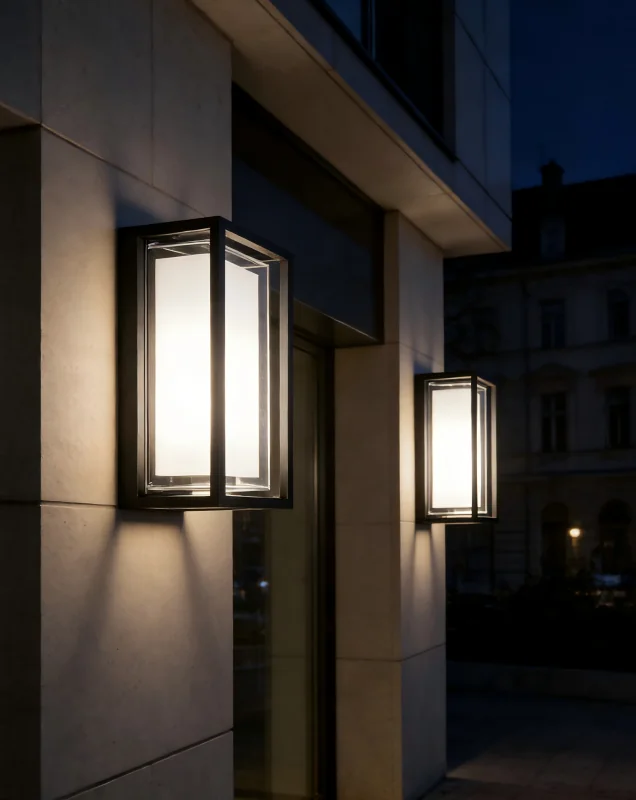
Large-scale commercial facades demand a systematic approach rather than ad-hoc fixtures. A framework guides decisions from technical briefing through commissioning and lifecycle costs, ensuring consistency in lumen output, glare management and energy performance. Start with a clear programme: objectives, night-time presence, budget envelope and sustainability targets. Early on, trial a representative unit such as a led outdoor wall sconce to verify scale and finish against your vision.
Stage 1 — site audit and performance goals
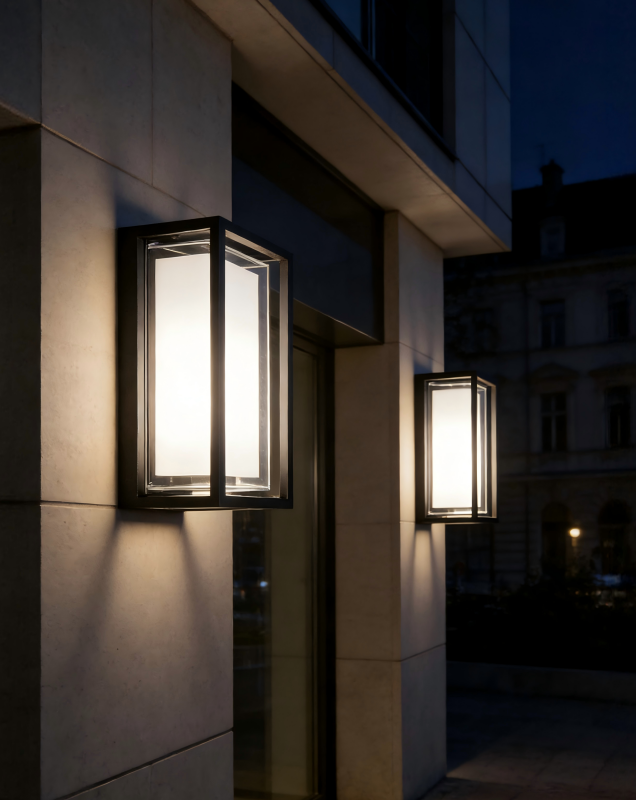
Begin with a physical audit: façade materials, mounting heights, viewing distances and ambient light. Benchmark desired visual outcomes (wash, grazing, accent) and measurable targets — average illuminance, uniformity ratio, and maximum allowable lux on neighbouring properties. Use the Kenyatta International Conference Centre (KICC) on Nairobi’s skyline as a practical anchor: its lighting choices illustrate how massing and texture respond differently to wash versus grazing optics. Also note access points for installation and future maintenance, since they drive hardware selection and service contracts.
Stage 2 — concept development and optical design
Translate goals into optical strategies: select beam angles, optics and mounting geometry to avoid spill and to manage cut-off. Consider colour temperature and CRI early; selecting 3000K with CRI ≥80 is common for warm yet accurate façade presentation. Mock-ups and photometric studies (lux maps and iso-contours) prevent surprises on site — and they provide a clear acceptance baseline for contractors.
Stage 3 — specification, materials and ingress protection
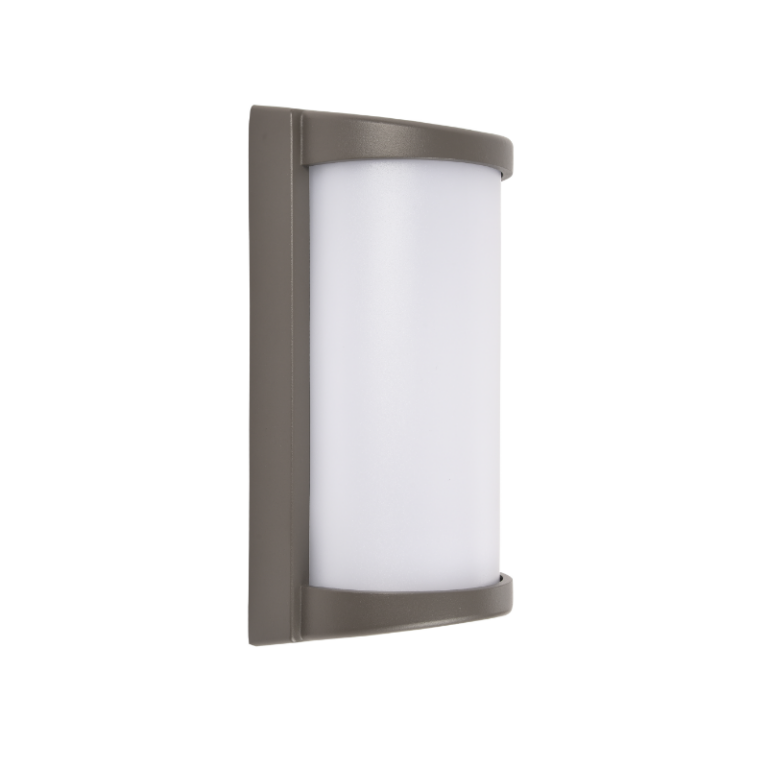
Write specifications that are tight on function but allow supplier innovation on form. Key items: rated lumen maintenance (L70 at 50,000 hours), IP rating suited to location (IP65 or higher for exposed façades), driver type (DALI or DMX where controls integration is planned), and material choices such as aluminium housings for corrosion resistance. For surface-mounted accents or integrated wall fixtures, consider proven products like aluminum outdoor wall lights — they combine weather resilience and thermal management essential for long life. Specify acceptance tests: photometric verification, insulation resistance, and on-site driver temperature checks.
Stage 4 — supplier selection and procurement strategy
Score suppliers across technical fit, sample-to-production fidelity, warranty terms and local support. Weighting might be: 30% technical compliance, 25% delivery reliability, 20% after-sales service, 15% price and 10% sustainability credentials. Insist on factory acceptance tests and a small on-site trial run to validate installation interfaces — this reduces change orders and rework. Where possible, source fixtures with local support or regional spares to shorten MTTR (mean time to repair).
Stage 5 — installation, controls and commissioning
Coordinate lighting, electrical and façade trades with an installation plan that minimises scaffold time and protects finishes. Integrate controls strategy early: are scenes required, daylight harvesting, or adaptive dimming? Choose suitable control protocols (DALI, DMX, or proprietary) and plan for addressing and documentation. Commissioning should include a full lighting audit: compare delivered lux maps to design models, verify colour temperature and check thermal performance of drivers and LEDs. A clear punch-list closes the circuit between design intent and operation.
Stage 6 — operations, maintenance and lifecycle planning
Define routine tasks: lens cleaning intervals, driver checks, and firmware updates for networked controls. Build spare-part lists and a replacement schedule based on lumen depreciation figures rather than calendar time; this avoids premature replacements or sudden failures. Factor in energy savings from LEDs — typically up to 70% compared to legacy lamp systems — when modelling total cost of ownership and payback horizons.
Common mistakes and how to avoid them
Three recurring errors are specification vagueness, late control decisions, and underestimating maintenance access. Vague specs invite substitutions that erode appearance and photometrics. Leaving control strategy to last minute forces workarounds that compromise scene quality. Finally, failing to plan for access increases long-term service costs — and can shorten valid warranty claims. A practical mitigation: require vendor-provided mock-ups and on-site commissioning with the appointed controls integrator — it aligns expectations early. —
Advisory — three golden rules for procurement and delivery
1) Evaluate by performance, not just appearance: demand photometric reports and on-site lux verification to confirm design intent. 2) Prioritise serviceability: choose fixtures with documented thermal paths, replaceable drivers and local spares to reduce downtime. 3) Insist on controls interoperability: specify protocols and address plans to prevent locked systems and future obsolescence.
When these rules are applied consistently, procurement becomes predictable and façades perform as intended across seasons and uses. For complex commercial projects, that predictability is precisely where specialist suppliers such as Keyida provide measurable value. —