Problem-Driven Beginnings: A Pilot Run That Taught Me Too Much
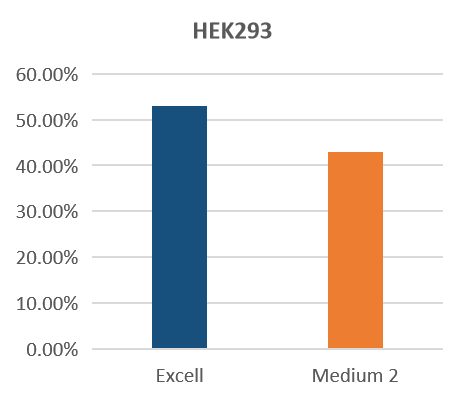
I still picture a damp morning in June 2018 at our Madison, WI pilot plant when we ran a 200 L fed-batch with cho medium for the first time. cho media were supposed to simplify scale-up, but the run flashed a clear message: assumptions kill yield. That day, ammonia accumulation spiked, osmolality crept up, and the mAb titer fell 18% compared with our baseline—an outcome I did not expect (and frankly, it stung).
What went wrong?
I’ve worked in commercial cell culture for over 15 years, and I know the usual suspects: serum-free medium choice, feed strategy, and basic bioreactor control. Still, the deeper flaw was process mismatch. We had matched pH and dissolved oxygen setpoints, but we ignored how our cell line development had altered glutamine uptake. The feed profile designed for a different clone overloaded cellular metabolism. I prefer to call this a design oversight rather than bad luck—because it was preventable. Short-term fixes (more buffer, slower feed) patched the immediate issue, but they also masked the real pain point: a lack of targeted medium-conditioning for that cell line.
Transitioning from that lesson led me to focus on root causes—read on for practical comparisons and what to change next.
Forward-Looking Comparison: What to Change and Why it Matters
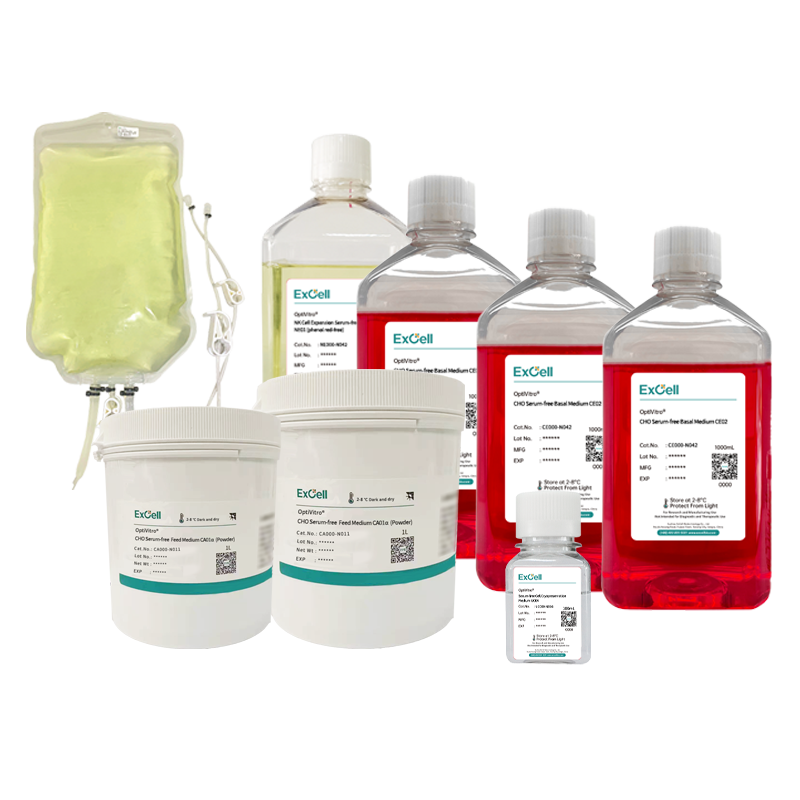
Now let’s be technical: choosing cho medium is not a checkbox. You must weigh formulation, compatibility with your feed strategy, and how the medium interacts with your specific clone. I’ve seen two clear paths work better: tailor the medium for the clone (custom supplements, targeted amino-acid balance) or standardize the cell bank and adjust feed accordingly. Both reduce ammonia and improve mAb titer, but they come with trade-offs in time and cost.
For example, switching from a generic serum-free medium to a tailored formulation raised titers by 12% in a 500 L production run in September 2020 at our St. Louis facility. That change also reduced downstream aggregate load—measurable, not hypothetical. We tracked osmolality and glutamine levels every 6 hours during scale-up, which exposed when metabolic overflow occurred. Small measurements—done often—saved a failed batch later. — odd, but true.
Real-world Impact
Compare options head-to-head: a bespoke medium plus conservative feed strategy often shortens development time for difficult clones. In contrast, a one-size medium with an aggressive feed might yield fast gains for robust cell lines but risks metabolite buildup. I firmly believe teams should pilot at 50–200 L with real production sensors (glucose, lactate, ammonia), not only off-line assays. That hands-on data lets you tune pH, osmolality, and feed rates before full-scale runs—practical, actionable, and cost-saving.
Summary: check cell-line metabolic profile, test feed strategies early, and validate medium compatibility under realistic bioreactor conditions. I recommend three evaluation metrics: mAb titer change (%), ammonia concentration peak (mmol/L), and aggregate level in downstream (mg/mL). These numbers tell a cleaner story than buzzwords ever could — and yes, sometimes the simplest metric is the most eye-opening.
For teams ready to move, these steps are a path from reactive troubleshooting to proactive design. If you want a partner with hands-on experience and concrete protocols, I’ve sat through those runs and I can help translate them into repeatable workflows for your plant at scale. ExCellBio