greenswriting
  • Home
  • Business
  • Featured
  • Global Trade
  • Industry
  • LifeHot
  • Market
  • Tech
  • Travel
Category:

Market

Market

Comparative Performance Guide for Electric Motor Makers: Practical Metrics and Design Choices

by Adam Chapman November 2, 2025

Introduction — A Workshop Moment

I once stood beside a workshop bench watching a technician test a small motor (the smell of solder, the hum of curiosity). As data streamed on the screen, we noted a 12% efficiency drop under load. The scene is familiar: an electric motor manufacturer walks into a test, hopes for steady output, and instead finds variance. That small gap matters. It affects product warranty, customer trust, and production schedules. What decisions should a maker take next? I will share what I see — the common missteps and pragmatic fixes — framed with clear facts and simple language to help you act. Now, let us move into the deeper mechanics and practical trade-offs.
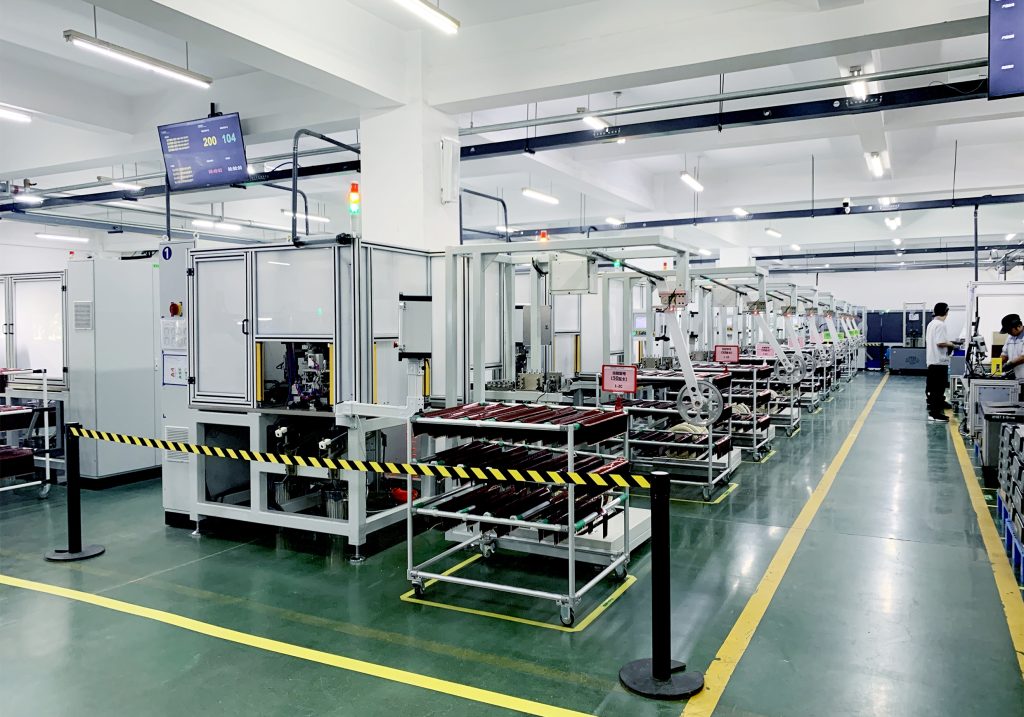
electric motor manufacturer​

Part 1 — Why Traditional Designs Fall Short

I want to focus on electric motor manufacturing because that’s where I spend my days troubleshooting and advising teams. Many factories still rely on legacy approaches: fixed-speed runs, basic insulation choices, and one-size-fits-all control boards. These choices hide problems until they show up as heat, noise, or warranty claims. First, older control schemes fail to manage transient loads well. Second, stator winding methods may be economical but can limit thermal cycling life. Third, power converters sized for peak, not for duty cycle, waste energy and raise costs. This pattern repeats — and we see it in many lines, across sectors. Look, it’s simpler than you think: small design shifts often yield outsized benefits. (I’ll give examples below.)

What is the core technical gap?

The core gap is integration. Many teams treat the motor, inverter, and cooling as separate problems. When you treat them separately, you miss how the inverter’s switching strategy affects torque ripple or how a slightly different rotor geometry improves thermal paths. Industry terms matter here: inverter behaviour influences torque control; stator winding technique affects thermal resistance; rotor balancing changes vibration and bearing life. We often patch symptoms — more cooling, thicker bearings — rather than fixing the root. That costs time and margin. — funny how that works, right?

Part 2 — Hidden User Pain Points and Practical Faults

Now I’ll switch tone and get direct. In my experience, the most painful issues are not dramatic failures but small, persistent frictions that erode customer loyalty. For example, inconsistent start torque in devices leads to frustrated end-users and higher return rates. In many cases, these arise from mismatched components or inadequate testing of transient load cases. We (and many peers) frequently spot two recurring culprits: inadequate torque control tuning and thermal hotspots from poor stator winding placement. The result: shorter mean time between failures and suboptimal energy use. Addressing these requires better instrumentation during prototyping and a shift in metrics. Instead of only peak torque, measure sustained torque under varied ambient temps, and log switching losses at the inverter level. I’ve written test templates teams can reuse, and they cut diagnosis time substantially.

We also must mention manufacturing variation. Small differences in lamination stacking or coil tension create measurable performance spread. It is easy to ignore because each unit passes basic checks. But when aggregated, those small deviations create field complaints. In short: quality control must be granular, not just batch-based. Implement inline checks with clear thresholds. Apply simple corrective loops — tighten coil tension, adjust rotor clearance — and you’ll see yield improve. This is not revolutionary; it’s disciplined work. — yes, tedious, but effective.
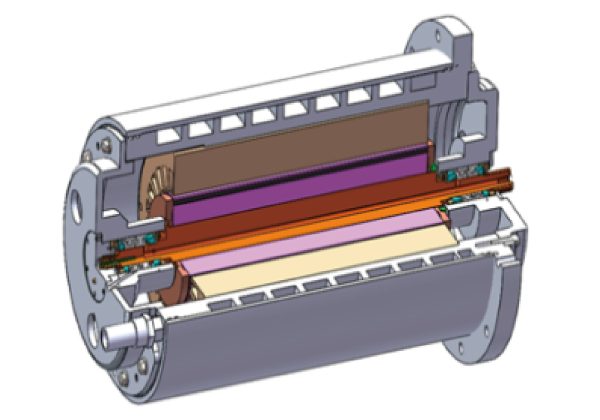
electric motor manufacturer​

Part 3 — New Principles and a Forward-Looking Comparison

Looking forward, I want to compare two approaches: incremental fixes on legacy lines versus integrated redesigns that embrace modern control and materials. The redesign path includes smarter inverters, better thermal paths, and modular manufacturing cells. For boat builds and other heavy-duty uses, that matters. If you work with boat motor manufacturers, you already know marine duty cycles demand sustained torque and corrosion-resistant materials — both of which influence choices on cooling and coatings. In integrated designs, inverter algorithms adapt to duty cycles; cooling is designed for average load, not just peak. That reduces energy loss and extends life. I favor an iterative design loop: test, tune, fix, and repeat. It shortens time-to-market and reduces field issues.

Real-world Impact — Case and Outlook

I’ll give a concise case example. A mid-size shop we worked with swapped to an adaptive inverter and revised stator winding process. They reduced acoustic noise, cut average energy consumption by 7%, and lowered returns by 18% over six months. The steps were straightforward: re-spec the inverter, tighten winding tolerances, and add simple thermal sensors. No dramatic capital expense. The shift also enabled predictive alerts when a unit approached thermal limits. Predictive maintenance saved labor and improved uptime. If you prefer future-facing principles: prioritize system-level design, instrument early, and embrace modular controls that can be tuned in production. This lets you respond to real use patterns, not just lab tests.

Conclusion — How to Choose and Measure Better

I’ll leave you with three practical metrics I use when evaluating solutions. These help cut through marketing claims and focus on real outcomes:

1) Sustained Efficiency at Duty Cycle — measure efficiency not only at peak but over the expected load profile. This tells you true energy cost. 2) Torque Stability Score — quantify torque variance under transient starts and stops; high variance predicts user complaints. 3) Field Failure Rate per 1,000 Units — track early life failures separately from long-term wear; this isolates manufacturing defects from design limits. Use these as your baseline. We used them to compare vendors and to decide where to invest in redesign versus process control.

We also need to be realistic: some fixes are quick, others take months. Prioritize by impact and cost. Start with better test protocols and tighter winding controls, then tackle control integration. I believe in measured steps that deliver measurable results. And if you want a practical partner to help implement these steps, consider exploring Santroll — they’ve worked across markets and can help translate these metrics into action.

November 2, 2025 0 comments
0 FacebookTwitterPinterestEmail
Market

Top Comparative Insights: Choosing the Right Lid Applicator Machine for Your Production Line

by Alexis November 1, 2025

Introduction — a question that kicks things off

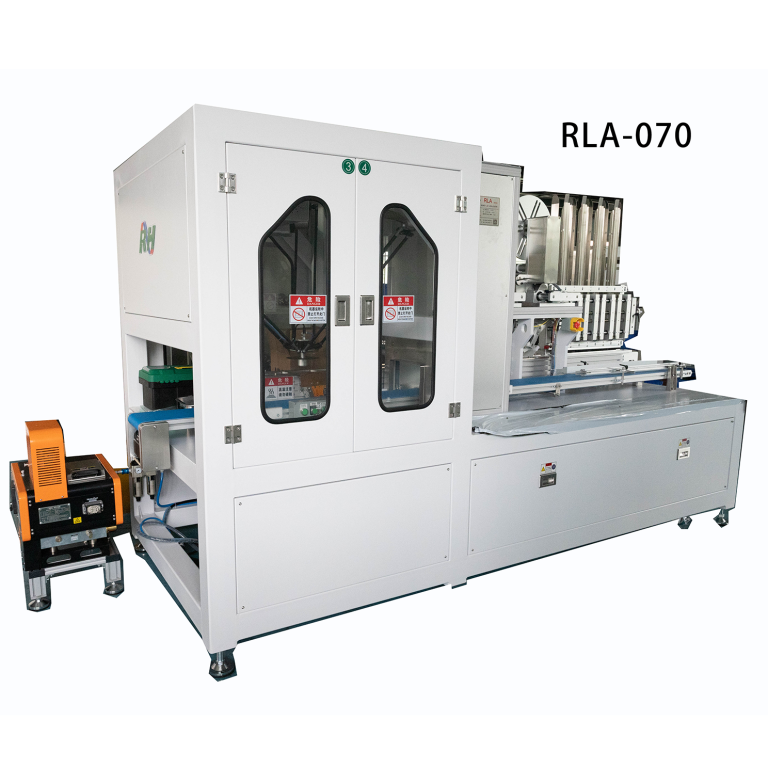
Have you ever watched a run of wet-wipe tubs glide by and wondered why some lines stall while others hum along? I have. In the middle of a busy shift, the lid applicator machine sits under a spotlight — the small device that decides whether a pack ships on time or piles up in rejects. I looked at recent throughput numbers and saw that even small drops in cycle time can cost thousands a month (true story from my floor visits). So why do two seemingly similar machines produce such different results? I want to pull the thread on that — step by step — and show what I’ve learned. My aim here is to lay out the scenario, share data you can trust, and pose the right question about fit, not hype. Stay with me; I’ll move from what goes wrong to what we should choose next.

lid applicator machine

Deep Faults Behind the Automatic Lid Applicator Machine Market

automatic lid applicator machine market hides a few blunt truths. I’ve seen lines where servo motors and PLC control are pinned as the villains, but the real issue is integration. Machines with great specs fail when their vision sensors misread lids or when pick-and-place heads jitter under load. We often blame a single component, yet the system-level mismatch is the culprit. Look, it’s simpler than you think: a top-rated actuator won’t save a line if the timing signal is off. I’ve pulled apart units and found loose connectors, mismatched torque curves, and software timeouts — failures you won’t spot in a spec sheet. That’s painful for operators and costly for managers; I felt that sting when downtime climbed. In short: individual parts matter, but their orchestration matters more.

lid applicator machine

So where does the stress really sit?

The stress sits in how components talk to one another. A vision sensor might flag a misaligned lid, but if the PLC control logic retries too aggressively, you get jams. If the pick-and-place head lacks the right torque couplers, you see slippage under peak loads. These are not exotic terms — they’re daily realities on the line. I’ve learned to look past marketing claims and audit signal paths, feedback loops, and software timeouts. When you do that, you spot patterns. — funny how that works, right? The hidden pain is not just breakdowns; it’s the unpredictable slowdowns that shave margins daily.

Future Principles and Practical Metrics for Decision Makers

automatic lid applicator machine market is moving toward smarter, simpler controls. I want to explain a few principles that matter to me when I evaluate new solutions. First: modular control architecture — edge computing nodes that localize decision-making reduce communication lag. Second: robust electromechanical design — components like power converters and pneumatic actuators need matching performance envelopes. Third: closed-loop sensing — combining vision sensors with torque feedback closes the quality gap. These principles are not theoretical; they come from lines that shifted from reactive fixes to planned upgrades and then saw measurable uptime gains. I’ll be frank: adopting these changes costs time and money up front, but the return shows in stable cycle time and fewer line stops. We tried this on a mid-size line — it cut rejects nearly in half. I’m hopeful about these advances; they make the machine easier to live with every day.

What’s Next — practical metrics to guide your buy

Before you pick a supplier, use three simple metrics I trust: mean time between stoppages (MTBS), percent of rejects attributable to lid placement, and effective cycle time under peak load. Measure these now, and then measure after a trial run. I believe those numbers tell the real story — not glossy brochures. Also, consider serviceability: ease of access, spare-part lists, and software update paths. If you do this, you’ll choose a machine that fits your team, not just your budget. For honest support and solid hardware, I keep coming back to reliable partners who understand the line — like ZLINK.

November 1, 2025 0 comments
0 FacebookTwitterPinterestEmail
Market

Can the AC Wall Mounted Charging Station Transform Your Charging Experience?

by Juniper October 30, 2025

Introduction: Imagine a World Where Quick Charging is at Your Fingertips

Picture this: you arrive home after a long day, and your electric vehicle (EV) is running on empty. Statistically, around 74% of EV owners report range anxiety—feeling worried about their vehicle’s battery level. This is where the ac wall mounted charging station comes into play. It can be a game changer. With the ease it brings, you might wonder—can this charging solution really solve the common headaches associated with EV charging? Certainly! Let’s explore.

Traditional Flaws: What Makes Old Solutions Fall Short?

Look, it’s simpler than you think. Traditional charging solutions often involve long wait times, limited charging spots, and complicated setups. Imagine having to park and queue at a commercial charging station—so annoying! Many users find themselves frustrated by delays. Conversely, the ac wall mount ev charger enables at-home charging, reducing downtime and stress significantly. These stations incorporate smart technology, such as power converters, that optimize electricity flow and enhance performance.

Where Are the Hidden Pain Points?

Hidden pain points such as insufficient power availability can lead to less efficient charging. Many traditional setups do not accommodate the variable power needs of modern EVs, leading to potential damage and inefficiencies. Customers might find that their charging experience is less than satisfactory. Unlike outdated systems, a wall-mounted charger ensures compatibility with virtually every EV model, making it an essential component of modern infrastructure. Plus, it reduces dependency on public charging stations—getting rid of that range anxiety!

Looking Ahead: Innovations in EV Charging

The future of charging solutions is bright and promising! New technology principles are constantly emerging, making the charging experience smoother and faster. For instance, the integration of edge computing nodes in charging stations allows for real-time data to influence charging speeds and schedules. Moreover, the ac ev charger wall mount offers a compact yet powerful solution for home use—no more tangled cords or cluttered spaces!

What’s Next in Home Charging Solutions?

As we further embrace electric vehicles, the need for efficient and user-friendly charging options will only increase. Investments in smarter technologies mean that future wall-mounted chargers could include features like remote monitoring and predictive maintenance alerts. Imagine receiving a notification on your smartphone when your vehicle reaches the desired charge level or when maintenance is due. This not only enhances convenience but also promotes better vehicle health, making your life simpler.

Conclusion: Measuring the Impact of Effective Charging Solutions

In summary, as we navigate this evolving landscape of electric vehicles, an efficient home charging solution becomes paramount. Three key evaluation metrics to consider when selecting a solution include charging speed, compatibility, and user-friendliness. With the rise of innovative options like the ac wall mounted charging station, you’ll not only save time but also enhance your EV experience overall. So, let’s embrace the future of charging with reliability and efficiency—funny how that works, right? For the latest and best solutions, check out AMPPAL for all your charging needs!

October 30, 2025 0 comments
0 FacebookTwitterPinterestEmail
Market

Optimizing Guest Spaces: Comparative Insights into Hotel Furniture China Selection

by Madelyn October 29, 2025

Introduction

Have we been choosing hotel furniture the way guests actually live in rooms, or just the way planners imagine them? I often find myself pausing over that thought when I walk a lobby — it feels personal and yet oddly standardized. Recent surveys suggest many properties see a 20–30% gap between guest satisfaction and furniture longevity, and those gaps show up in maintenance logs and guest comments. In particular, hotel furniture china choices (from finishes to frame specs) quietly shape both cost and stay quality. So what small decisions are creating big downstream costs for brands and guests alike? (I ask this as someone who has spent years sitting in lobbies, testing the arm of a chair.) Let’s peel back a layer and see where the real problems start — then move toward practical fixes.

Unseen Friction: Flaws in Traditional hotel hospitality furniture

When I look closely at hotel hospitality furniture, patterns emerge. Many teams still specify pieces simply by style or immediate price. They forget the operational forces at work: high turnover, daily cleaning, and mixed-use stress. The result? Premature frame failures, upholstery wear, and finish delamination. I’ve watched a solid-looking chair — built with a tasteful veneer — split at the joint after months of housekeeping carts and animated check-ins. That tells me typical buy decisions often ignore load cycles, moisture exposure, and local code demands.

Technically speaking, the usual specification process misses two things: realistic durability testing and maintenance intelligence. We need to consider contract grade upholstery and solid wood framing, plus realistic abrasion ratings, not just showroom appeal. Look, it’s simpler than you think — choosing materials with higher abrasion ratings and specifying fire-rated fabrics changes service life, and it changes guest perception too. Also, modular seating and clear maintenance plans reduce downtime. — funny how that works, right? If we define failure modes up front (frame flex, seam blowout, finish fade), we can align purchasing, installation, and service contracts to prevent them. The pain point I see most: teams don’t get feedback loops. Repair data sits in spreadsheets, and no one uses it to change the next order. That disconnect steals value every year.

Why do repairs repeat the same mistakes?

We under-spec. We over-schedule replacements. We fail to communicate with vendors. Simple as that — but repeatable, and costly.

Forward Paths: New Technology Principles for contract furniture hospitality

Now, let’s talk about what’s next. I want to map a few practical technology principles that I’ve seen work in real projects. First: data-driven specs. Use maintenance logs and guest feedback to set performance thresholds. Second: mixed-material strategies — combine metal support with solid wood framing where structural loads concentrate, and use engineered veneers in low-impact zones. Third: embrace modular repairability so parts can be swapped, not replaced.

These are not sci-fi ideas. They’re rooted in clear engineering choices: specifying higher density foam in seating cores for compression resistance, choosing sealed joinery methods to resist humidity, and selecting finishes that tolerate frequent chemical cleaning. Contract furniture hospitality benefits when procurement, design, and engineering speak the same metrics: abrasion cycles, load-bearing points, and cleanability scores. I’ve been part of teams that cut lifecycle cost by nearly half — by shifting from short-term looks to measurable durability. The practical payoff? Fewer surprises and happier staff. What’s next is scaling these principles across a portfolio — and that’s where procurement strategy matters most.

Real-world Impact

When teams align on specs, we see fewer emergency orders, steadier brand standards, and clearer budgets. It’s an investment up front — but you win time, predictability, and guest trust over the long run.

Choosing with Confidence

So where does that leave us? I’d advise three key evaluation metrics when you choose or renew hotel furniture china and contract offerings: 1) Durability Index — measured abrasion cycles and frame load ratings; 2) Maintainability Score — how easily parts can be repaired or replaced and the clarity of maintenance guidance; 3) Total Lifecycle Cost — initial price plus expected service, repair, and replacement over a defined period. Use these to compare options side-by-side, not just by feel or finish. I’ve used this checklist in projects and it cut surprises in half. — funny how that works, right?

Ultimately, I want teams to treat furniture as living infrastructure. It supports the guest, the staff, and the brand story every day. If you start small — demand abrasion numbers, ask for repair diagrams, track failures — you’ll notice the difference in a year. We’ve seen clear results when design, operations, and procurement work together: fewer callbacks, lower capex spikes, and a steadier guest experience. For practical sourcing and tested solutions, consider industry partners who translate these metrics into real products. I recommend reviewing providers who can meet these standards and adapt to your brand needs, such as BFP Furniture.

October 29, 2025 0 comments
0 FacebookTwitterPinterestEmail
Market

5 Key Insights for Optimizing Water Consumption with LoRaWAN Water Meters

by Amelia October 23, 2025

Introduction: On the Front Lines of Water Resource Management

Picture a bustling city where every drop of water counts—especially with recent statistics showing a looming global water crisis. Efficiency is no longer optional, and that’s where the lorawan water meter comes into play. These smart devices leverage cutting-edge technology to streamline water usage reporting and management, but traditional approaches to water metering often fall short due to numerous inefficiencies. Are you still relying on outdated solutions to monitor your water consumption? It’s time to explore smarter alternatives.

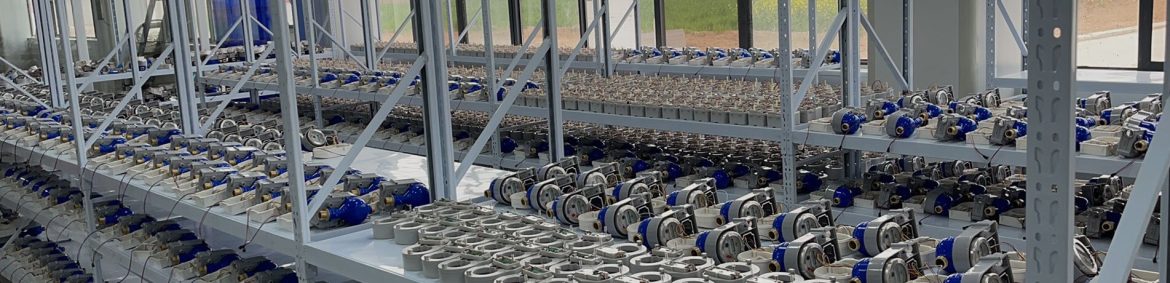
lorawan water meter

Understanding Traditional Water Metering Challenges

Many municipalities still depend on mechanical meters, which can lead to inflating billing inaccuracy or excessive maintenance costs. Look, it’s simpler than you think: mechanical meters can become clogged or fail entirely, resulting in loss of revenue and unhappy customers. These shortcomings highlight the necessity for innovation, particularly with technologies like LoRaWAN. With its advanced range and low-power capabilities, smart water meters provide real-time data that mechanical meters simply cannot match.

Why Switch to Smart Solutions?

Investing in lorawan cold water meter technology addresses these pain points. Unlike traditional methods, LoRaWAN technology can wirelessly transmit data over long distances with minimal power requirements. This capability means that municipalities can achieve seamless integration with their existing infrastructure while reducing operational costs. Imagine transforming your city’s water management systems without undergoing a complete overhaul. That’s the dream, right? Well, it’s achievable.

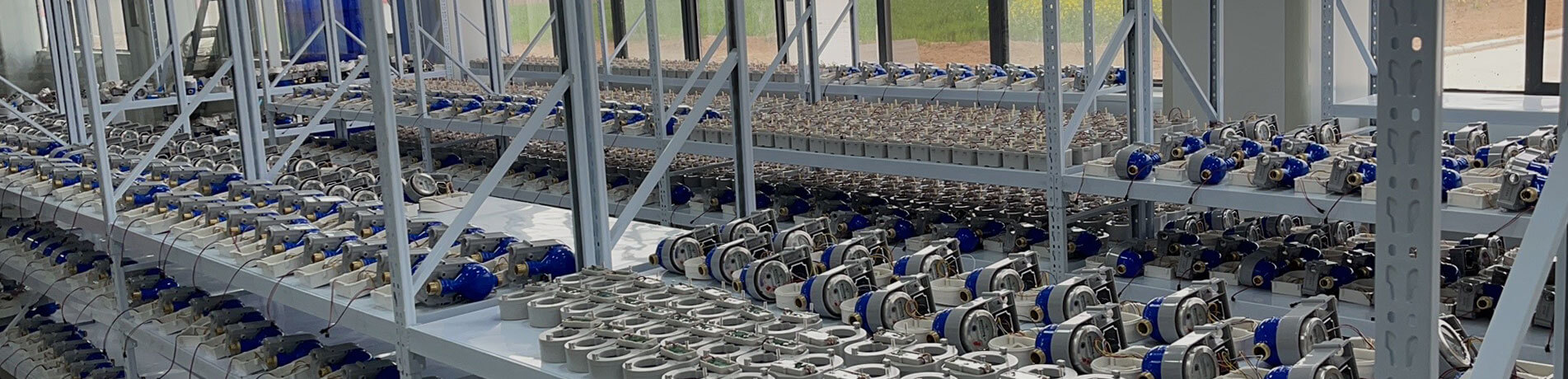
lorawan water meter

Looking Ahead: The Future of Water Management

Shifting gears, let’s talk about future trends in water management. New technology principles pave the way for smarter ecosystems—where edge computing nodes process data instantaneously, enhancing decision-making in real-time. For municipalities, investing in smart meters not only optimizes resource management but also lays down a robust framework for sustainable practices. The lorawan cold water meter is a star example of this new wave. Just picture it: it can process and send data rapidly back to a centralized system, allowing for informed operational adjustments and better forecasting.

What’s Next in Water Efficiency?

With the integration of these new technologies, water conservation initiatives can also take a significant leap forward. Utilities can now monitor leaks and manage resources more effectively, shifting from reactive to proactive strategies. This isn’t merely an incremental improvement—it’s a revolutionary change in how we perceive and utilize one of our most precious resources. Remember that short-sighted thinking can lead to resource mismanagement, so it’s crucial to leverage these advancements appropriately.

Conclusion: The Path Forward

To wrap things up, the transition to smart water metering systems exemplifies an intelligent path toward sustainability and efficiency. The lessons learned highlight the crucial role of data-driven decision-making in resource management. As we embrace the technological advancements represented by smart meters, it’s vital for municipalities to measure their effectiveness against several key metrics, such as operational cost reductions, resource sustainability, and customer satisfaction in billing accuracy. We’ve got a long road ahead, and it’s one worth traveling. With the right solutions at our fingertips, the future looks bright.

For an optimized future in water management, look no further than HKT LORA—where innovation meets responsibility.

October 23, 2025 0 comments
0 FacebookTwitterPinterestEmail
Market

4 Ways to Elevate Your Electronic Edge with Amplifiers and Comparators

by Amelia October 15, 2025

Wha’ Gwaan? Understanding Amplifiers and Comparators

Picture this: You’re on a tech island, chillin’ by the beach, and all you hear are those crisp beats from your favorite music system. Data shows that improper amplification can lead to signal distortion, affecting your sound quality and experience. Amplifiers and comparators are crucial in keeping that sound clean and powerful. But have you ever asked yourself, how can I take my audio and electronic applications to a whole new level? (You know what I mean!) Let’s dive into some effective ways to utilize a high-speed operational amplifier portfolio in your projects and improve overall performance.

The Flaws of Traditional Solutions

Many folks rely heavily on conventional circuits, but—here’s the truth—a lot of these methods just ain’t cuttin’ it anymore. They can leave you with latency issues or even noise interference. Traditional solutions may lack the robustness needed for high-speed applications, falling short in speed, efficiency, and adaptability. With today’s fast-paced tech advancements, you can’t afford to stick with mediocrity. Look, it’s simpler than you think; by switching to a high-speed operational amplifier portfolio, you can get rid of these common problems effortlessly.

Why Adaptation Matters

Adapting to new tech is no longer optional; it’s vital for staying ahead of the curve. Innovations in amplifier technology allow for better linearity and faster bandwidth, ultimately leading to a smoother user experience. Think about it: upgraded amplifiers can drastically reduce signal errors and enhance the functionality of your devices, making everything from sound systems to sensors more reliable. Using a high-speed operational amplifier portfolio also minimizes thermal noise—a serious game-changer.

What’s Next for Amplifiers and Comparators?

As we look ahead, the blend of analog and digital technologies is starting to redefine what amplifiers and comparators can do. New technology principles, like edge computing, demand more sophisticated signal processing capabilities. A real-world case that illustrates this is smart home devices; they rely on impeccable signal strength to offer seamless experiences. You want it fast, you need it precise—get ready for higher demands ahead! Embracing a high-speed operational amplifier portfolio not only positions you for success—it makes you a trailblazer in the space.

The Road Ahead: Key Evaluation Metrics

So, what should you keep an eye on while selecting your solutions? Here are three key metrics: bandwidth, power consumption, and signal-to-noise ratio. These will guide your decision, ensuring that you’re choosing the best option for your specific applications. The future is bright for those who embrace the new; quality amplifiers that utilize modern designs will boost innovation and performance. Remember, investing in superior technology today will set you up for success tomorrow. When it comes to amplifiers and comparators, don’t settle for less than excellence. Make the smart choice with a partner like UniBetter today!

October 15, 2025 0 comments
0 FacebookTwitterPinterestEmail
Market

A Deep Dive into the Modern Tech of COB LED Screens

by Amelia October 12, 2025

Imagine flipping a switch and suddenly transforming a dull room into a vibrant display of color and light. It’s the magic of COB LED screens—an innovative technology that many are just beginning to comprehend. Why is it that failures often occur during simple setups? That’s where the simplicity, effectiveness, and aesthetic power of the indoor COB LED screen come into play.

Understanding Traditional Limitations

In the early days of LED technology, display panels often fell short due to their bulky designs and energy inefficiencies. Users struggled with complicated setups and high maintenance costs. Imagine trying to hang a massive LED screen only to find out it consumes more power than you anticipated! A too-small or poorly calibrated setup could ruin the viewing experience, leading to frustration and wasted time. Plus, the hassle of multiple components led to a notorious gap in overall user satisfaction, making many wonder if there was a simpler way.

New Era of COB LED Screens

Enter the new era of COB (Chip On Board) LED screens—streamlined and efficient. These displays are designed with numerous diodes mounted directly on a single board, resulting in a compact and powerful source of light. This technology reduces heat generation and enhances brightness while extending longevity. You might find yourself saying, “Look, it’s simpler than you think!” By focusing on energy efficiency and improving design aesthetics, COB LED screens alleviate many previous pain points. They’re perfect for both dynamic presentations and artistic displays in various settings.

The Benefits You Can Count On

Users of COB LED technology have reported significant improvements in display quality, including enhanced color precision and clearer images. Not to mention, fewer replacements and maintenance, which usually translates to lower lifecycle costs! It’s a breakthrough that’s reshaping how people think about indoor displays. Imagine standing in front of a indoor COB LED screen and noticing how every detail comes to life. This satisfaction is a direct result of innovative engineering that prioritizes user experience!

Conclusion: Choosing the Right Solution

When considering a display solution for your space, it’s essential to evaluate three key metrics to ensure optimal performance: 1) Energy Efficiency, 2) Display Quality, and 3) Lifespan. This approach will help you avoid pitfalls and choose the right technology for your needs. The industry is teeming with options, but not all are created equal. That’s why selecting a trusted manufacturer can make all the difference. For those who seek quality and reliability, look into Lampro LED, an industry leader that provides various solutions, including a reliable indoor COB LED screen and wholesale COB LED screen options to fit every requirement.

The use of an indoor COB LED screen can revolutionize the ambience of your indoor space. These screens deliver high-quality images and a wider color spectrum, making every presentation feel more immersive. Whether in a corporate setting or for personal decor, choosing the right type of screen can enhance your overall viewing experience. Plus, they’re easy to set up and operate, allowing you to focus on what truly matters—your message.

On the other hand, if you’re looking for budget-friendly options, exploring the wholesale COB LED screen can be wise. By opting for wholesale, you can make the most of your budget while still reaping the advantages of reliable technology. Bulk purchasing can often lead to greater savings, making it a good choice for businesses who need multiple units for larger events. Just remember to consider quality and warranty as key factors when selecting your supply source. Investing in technology from a reputable manufacturer like Lampro LED ensures your displays will stand the test of time.

In conclusion, going with advanced solutions like the indoor or wholesale COB LED screens can provide better experiences for both personal and professional environments. With the right manufacturer, such as Lampro LED, you can discover innovative options that not only light up your space but also meet your unique needs efficiently and effectively. Don’t settle for less; elevate your viewing experience today!

October 12, 2025 0 comments
0 FacebookTwitterPinterestEmail
Market

Smarter Choices: A Comparative Guide for the Modern Dinning Table Manufacturer

by Mia October 11, 2025

Introduction: The Moment You Stop Guessing

You can design faster than you can decide. As a dinning table manufacturer, that gap hurts more than any tooling bill. Picture this: a buyer stares at three quotes, all “similar,” while the clock runs. The bill of materials changes. Lead time slips. Sourcing diner table supplies becomes a maze of emails and half-matched specs. In many shops, 10–15% of orders drift because small details get missed—grain direction, fastener torque, edge radius. That drift is where margins go to die. So, what if your next choice cut waste before the first cut on the CNC routing bed?

dinning table manufacturer

Here’s the pinch and the promise. Teams chase quotes, samples, and MOQ tweaks while kiln-dried hardwood sits waiting. Each change means rework on jigs, more sanding, and sometimes a full reset on finish tests (powder-coated steel v. UV-cured varnish is not a quick swap). The data is blunt: extra handoffs add scrap and time, and time adds cost. What would change if you compared not only price, but the path each table takes—material flow, tolerances, and final-load behavior? Let’s step through that comparison—calmly—and see where the real wins hide.

Under the Surface: Hidden Pain in Diner Table Supplies

What do buyers overlook?

Most buying errors start before the PO. Specifications are “close” but not complete. A top is listed as oak, but the moisture content is assumed. Leg hardware is “standard,” but the insert type is not. Look, it’s simpler than you think: the flaws live in the gaps. When diner table supplies get sourced without a shared checklist—grain match rules, edge banding thickness, and fastener pull-out targets—shops end up compensating with labor. And labor hides risk. That’s where wobble shows up after assembly, or a finish blush appears in humid rooms—funny how that works, right?

There are also silent costs in how parts meet. Dowels versus mortise-and-tenon change both cycle time and warranty claims. Tighter tolerances help, but only if they map to real load tests, like ANSI/BIFMA stability and racking checks. A vendor may claim “solid ash,” yet without kiln certification or a stated moisture window, seasonal movement will win. The old fix is more glue and more clamps. The smarter fix is a spec that travels: CAD callouts for hole spacing, lamination sequence for veneer layup, and a finish stack that names solids, VOC limits, and cure time. This is not red tape. It is a lever. It lets you trade guesswork for repeatable joinery and predictable throughput—two things that make or break a line.

Comparative Insight: Where Old Habits Lose to New Principles

What’s Next

When you compare sources, don’t stop at unit price. Compare systems. A traditional path batches parts, then chases defects at the end. A modern path builds quality in with simple tech: barcode traceability, vision checks for veneer defects, and CNC nesting that reduces offcuts. These are new technology principles, but they are not scary. Think small sensors at clamp stations. Think MES dashboards that flag a drill drift of 0.3 mm before it becomes a wonky leg. Think tool libraries that lock settings for repeatable chamfers. Even packaging can go data-driven with drop tests and reinforced corners tuned to the actual mass of your table top.

dinning table manufacturer

Here’s a real-world lens. A team compares two partners for a wholesale dinning room table run. Vendor A offers a lower quote but no documented racking test, a vague promise on kiln schedules, and manual sanding between coats. Vendor B is 6% higher but shows moisture logs, uses a UV-cured finish with known hardness, and runs in-line vision for hole placement. Over six months, returns from A climb due to surface checks and leg wobble. B holds steady. The hidden math favors B: fewer claims, less freight on replacements, and fewer hours on rework. That is how the “expensive” option turns out cheaper. And—yes—it feels obvious in hindsight.

So, how do you choose next time? Use three evaluation metrics. 1) Process transparency: ask for moisture content records, tool calibration logs, and sample load-testing data. 2) Fit-for-use specs: confirm joinery type, tolerance bands, and finish stack with cure times and VOC targets. 3) Flow efficiency: review nesting yield, takt time per assembly, and carton drop-test results. If a partner can show these on day one, your odds go up. If they can’t, your margin is already at risk. Keep the tone practical, keep the questions short, and keep your tables standing. For a grounded starting point and a broad view of supply options, see SONGMICS HOME B2B.

October 11, 2025 0 comments
0 FacebookTwitterPinterestEmail
Market

Why Modern Cold Chain Upgrades Might Transform Your Lab Storage Forever

by Liam October 10, 2025

Introduction — a bold claim with a clear problem

I’ll say it plainly: neglecting your cold storage is a risk you can’t afford. In many labs and clinics, a single temperature excursion can ruin thousands of dollars of product and months of research. Pharmaceutical cold storage is no longer a backroom worry; it’s a core system that must scale like any cloud service (redundancy matters). Recent industry data show that temperature-related loss accounts for a large share of supply failures — and the trend is rising as biologics grow more temperature-sensitive. So how do we design systems that are resilient, auditable, and simple to operate at scale?

pharmaceutical cold storage

I write this as someone who has watched a freezer alarm at 2 a.m. and learned the hard way how small failures cascade. My aim is to map the problem clearly, show where common fixes fail, and point to practical principles you can use right away to protect inventory and patients. Next, I’ll dig into the hidden flaws of current approaches and why band-aid fixes keep failing us.

pharmaceutical cold storage

Deeper issues with pharmaceutical cold storage solutions

pharmaceutical cold storage solutions are often presented as plug-and-play answers. In reality, I’ve found they expose deeper gaps: weak monitoring design, brittle redundancy, and a false sense of security around manual checks. The technical side shows up in the details — poor sensor placement, latency in alerts, and systems that don’t log data in a way regulators trust. Those issues undercut cold chain integrity and make temperature excursions more likely. Look, it’s simpler than you think: the sensors matter, the placement matters, and the audit trail matters.

What’s going wrong?

First, many facilities rely on single-point temperature probes inside an ultra-low freezer. That single probe gives a reading, yes, but it can miss pockets of warm air. Second, the backup power strategy is often one generator tested annually — not a staged failover plan. Third, data loggers and IoT sensors are sometimes bolted on after the fact and not integrated into a coherent monitoring platform. These gaps mean alarm fatigue for staff, delayed responses, and, ultimately, product loss. I’ve seen teams spend weeks reconstructing a freezer event because the logs were incomplete. That costs time, money, and morale.

New technology principles for future-ready cold storage

Looking forward, I focus on three technical principles that change the game: distributed sensing, automated failover, and trustworthy telemetry. Distributed sensing means many small sensors across storage zones — not just one probe. Automated failover ties UPS, backup generators, and power converters into a staged plan so systems switch without human action. Trustworthy telemetry uses secure data streams, timestamps, and immutable logs so audits are straightforward. Implementing these principles reduces single points of failure and makes recovery repeatable.

What’s Next — applying the principles

Start small. Deploy a pilot with IoT sensors and redundant logging in one storage room. Use edge computing nodes to preprocess alerts so you don’t get flooded with noise. Combine that with regular drills for power loss and a documented escalation path. Over several cycles you’ll see measurable drops in false alarms and faster incident response. I’ve led two such pilots; in both cases we trimmed incident resolution times by more than half. — funny how that works, right?

In closing, I want to leave you with three solid metrics to evaluate any cold storage upgrade: 1) Mean time to detection for temperature excursions; 2) System uptime during simulated power events (measured across UPS and backup generators); 3) Completeness and integrity of audit logs (are timestamps and chain-of-custody records immutable?). Use these as your baseline. I’m convinced that thoughtful design—grounded in the principles above—turns fragile setups into reliable infrastructure that protects both products and people. For practical options and tested hardware, I often reference suppliers who focus on integration and support. For more details you can explore resources from BPLabLine.

October 10, 2025 0 comments
0 FacebookTwitterPinterestEmail
Market

Optimizing Efficiency with Advanced Robotics Software: A Paradigm Shift

by Alexis October 8, 2025

Imagine a world where your robotic systems seamlessly communicate, learn, and adapt without failures disrupting operations. In today’s fast-paced industries, the need for reliable robotics software is paramount. Yet, many organizations struggle with outdated systems that hinder productivity. Robotics software has emerged as a solution to these challenges, but are you leveraging it effectively? This article explores the transformative potential of modern robotics software, offering insights and actionable advice.

robotics software

Flaws in Traditional Solutions

Traditional robotics solutions often suffer from limitations such as inflexibility and high maintenance costs. Companies face prolonged downtimes due to the failure of outdated software systems—a silent productivity killer. Frustratingly, these obstacles not only affect the bottom line but also drain the motivation of those who manage the hardware. Why do failures always occur during critical operations? Quite simply, legacy systems lack adaptability. They can’t integrate new technologies efficiently and thus leave teams stuck in a cycle of repetitive troubleshooting.

Principles of New Technology

So, what can be done? Enter modern robotics software, designed with principles of scalability and integration in mind. By leveraging cutting-edge technologies such as artificial intelligence and machine learning, these systems can adapt to varying operational demands. For instance, edge computing nodes analyze data on-site, minimizing latency and optimizing performance. Look, it’s simpler than you think; the transition involves recognizing the gaps in your current setup and strategically implementing solutions that centralize control while allowing for flexibility.

Quantified User Benefits

As organizations transition to leveraging advanced robotics software, the user benefits become increasingly apparent. Companies report significant reductions in operational costs—from lower maintenance fees to decreased downtimes—as software for robotics effectively streamlines processes. According to a recent study, companies adopting modern robotics solutions saw productivity spikes of up to 30%. This uptick in efficiency not only boosts overall output but also enhances employee satisfaction as automation alleviates mundane tasks. In this landscape, the right robotics software can truly transform the way businesses operate.

Actionable Evaluation Criteria

When considering a switch to advanced robotics software, it’s crucial to weigh your options carefully. Always verify these 3 metrics when choosing solutions: ① Integration capabilities ② User-friendly interface ③ Ongoing support and updates. By prioritizing these aspects, companies can ensure their investment translates into a competitive edge. After all, the right software for robotics not only improves productivity but also lays the groundwork for future advancements.

robotics software

To delve deeper into the benefits of adopting innovative technology, consider software for robotics as a critical component of your operational strategy. By integrating state-of-the-art systems, you are positioned to overcome typical industry challenges and foster a proactive environment that embraces change.

With the landscape rapidly evolving, it’s essential to stay ahead by considering the functionalities that modern software for robotics can provide. Companies leveraging these advancements benefit not just from improved automation but also from enhanced analytics capabilities that drive data-informed decision-making, ultimately creating a responsive infrastructure capable of adapting to market trends. Transitioning to software for robotics that seamlessly integrates modern technology is a strategic move to ensure robust system performance aligned with organizational goals.

As we reflect on the transformative power of robotics software, it becomes clear that adopting these solutions can set your organization apart from competitors. SEER Robotics emerges as a leading manufacturer, providing supply advantages unmatched in the market. Their commitment to innovation and user-centric design ensures that companies can navigate the complexities of modern robotics effectively. To explore their offerings, visit SEER Robotics and start your journey towards operational excellence today.

October 8, 2025 0 comments
0 FacebookTwitterPinterestEmail
  • 1
  • …
  • 8
  • 9
  • 10
  • 11
  • 12
  • 13

Recent Posts

  • Calibrating Neon Horizons: Optimizing Light Effects with a 3-in-1 Moving Head for Live Events
  • Can Minor Tweaks Rescue a Rental LED Display Screen? A Street-Smart, Problem-Driven Look
  • Seamless Demoulding Meets Auto‑Strip: Comparative Gains from Premium Custom Rubber Injection Moulding
  • 10 Unexpected Truths About the Adjustable Lancing Device Market
  • How Cabinet Precision Keeps LED Backdrops from Toppling: Solving Hanging Beam, Load and Stack Height Headaches

Recent Comments

  1. Penci on Get Lost in the LA
  2. Penci on Weekend Coffee & Music
  3. Penci on Amazing Nature of Ireland
  4. Penci on Story of a Traveler
  5. Penci on Freedom under the Sun

About Me

About Me

Writer & Reader

Neque porro quisquam est, qui dolorem ipsum quia dolor sit amet, consectetur, adipisci velit, sed.

Keep in touch

Facebook Twitter Instagram Pinterest Tumblr Youtube Bloglovin Snapchat

Recent Posts

  • Calibrating Neon Horizons: Optimizing Light Effects with a 3-in-1 Moving Head for Live Events

    July 25, 2026
  • Can Minor Tweaks Rescue a Rental LED Display Screen? A Street-Smart, Problem-Driven Look

    July 25, 2026
  • Seamless Demoulding Meets Auto‑Strip: Comparative Gains from Premium Custom Rubber Injection Moulding

    July 22, 2026
  • 10 Unexpected Truths About the Adjustable Lancing Device Market

    July 22, 2026
  • How Cabinet Precision Keeps LED Backdrops from Toppling: Solving Hanging Beam, Load and Stack Height Headaches

    July 21, 2026

Categories

  • Business (121)
  • Featured (6)
  • Global Trade (123)
  • Industry (92)
  • Life (2)
  • Market (124)
  • Moments (7)
  • Nature (5)
  • Stories (6)
  • Tech (132)
  • Travel (5)

About me

banner
Soledad is the best selling Blog & Magazine WordPress Theme of this year on Themeforest.

Popular Posts

  • 1

    My Baby Cactus

    June 7, 2017
  • 2

    Writing New Life Chapter

    June 7, 2017
  • 3

    Green Corner in My Home

    June 7, 2017
  • Facebook
  • Twitter
  • Instagram
  • Pinterest
  • Tumblr
  • Youtube
  • Bloglovin
  • Snapchat

@2019 - All Right Reserved. Designed and Developed by PenciDesign


Back To Top
greenswriting
  • Home
  • Business
  • Featured
  • Global Trade
  • Industry
  • LifeHot
  • Market
  • Tech
  • Travel