
Opening thought: why the choice quietly matters
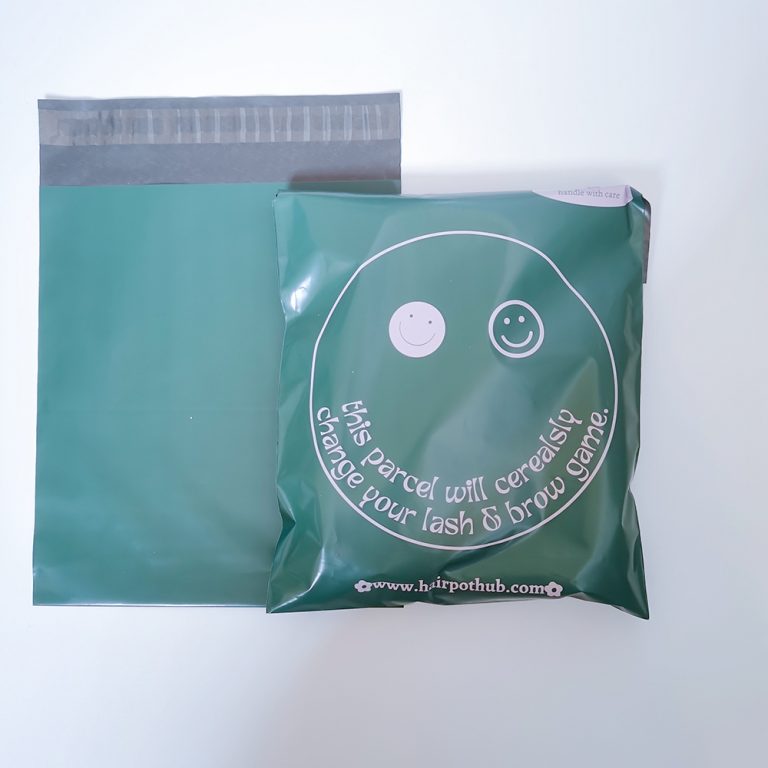
I’ve watched small brands agonize over a seemingly small decision — the color and make of their mailer — and realized it often shapes first impressions and returns. In the surge of online shopping during the 2020 pandemic, fulfillment centers from New York to Los Angeles tightened packaging specs to reduce damage and improve unboxing. That context matters when you’re weighing options between branded visibility and protective performance. If you care about on-brand presentation, custom printed poly mailers can do the heavy lifting; if you need straightforward, cost-effective protection, plain printed poly mailers often suffice. The quiet trade-offs — opacity vs. cushioning, print fidelity vs. tear resistance — are what I’ll compare here.
Core specification criteria to compare
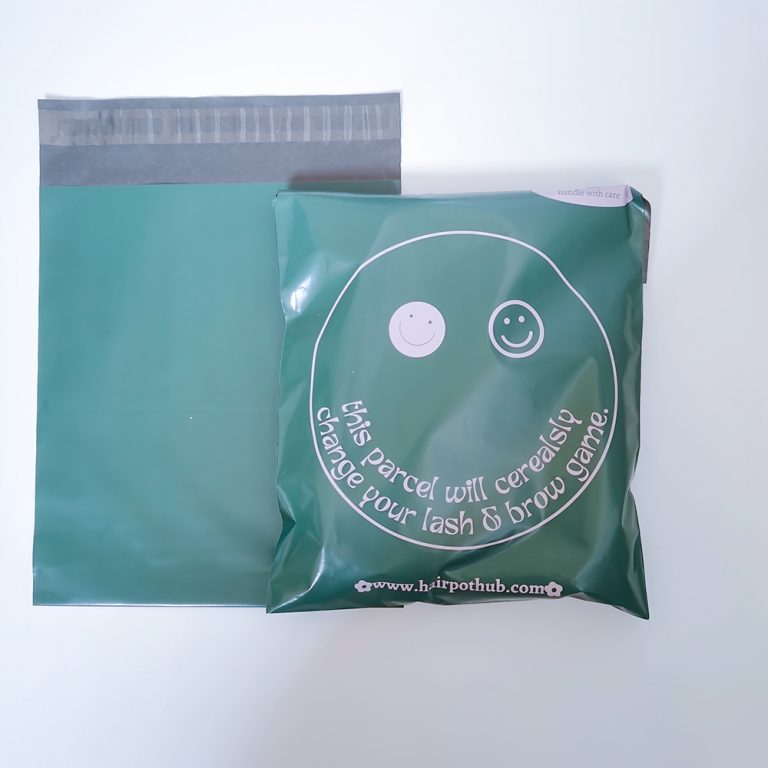
There are four practical dimensions to keep close when selecting colored poly mailers: material layers, thickness, closure type, and finish/printability. Material layers determine puncture and moisture resistance — think single-layer polyethylene versus multi-layer barrier film. Thickness (often measured in mils) affects tear resistance and cost. Closure type (self-seal closure, tamper-evident) defines convenience and security. Finish and printability decide how your color or logo will read on the shelf-in-a-mailbox. Keep these criteria in view and decisions become less aesthetic and more operational.
Apparel-focused specs: balance, branding, and returns
For apparel, the goals are clear: protect garments from dust and light moisture, keep postage costs low, and present a brand moment on delivery. Typical specs that work well include lightweight multi-layer film (enough to resist minor punctures), a reliable self-seal closure, and high-opacity or color-saturated surfaces for consistent branding. Print quality matters — not every inkset reproduces pastel tones cleanly — so request print proofs and consider matte versus gloss finishes for perceived value. A thinner mailer saves shipping costs but increases the risk of snags; conversely, overbuilding every shirt with bubble lining raises unit costs and environmental impact. Aim for the middle path and test with return-period data from a handful of orders before scaling.
Fragile-goods specs: padding, structure, and fail-safe measures
When the parcel contains breakables — ornaments, electronics, ceramic accessories — the priorities shift to cushioning, puncture resistance, and secure anchoring. Padded poly mailers (bubble-lined or foam-laminated) and multi-layer barrier film are common choices. You’ll want a higher mil rating and verified puncture and drop-test performance, especially if your item has sharp corners that can pierce standard film. Consider tamper-evident closures or reinforced seams if theft or pilferage is a concern. And always prototype-pack with the actual product to confirm fit and point-load protection — lab specs alone can’t reveal how a fragile item will behave under a courier’s stack. —
Trade-offs that brands often miss
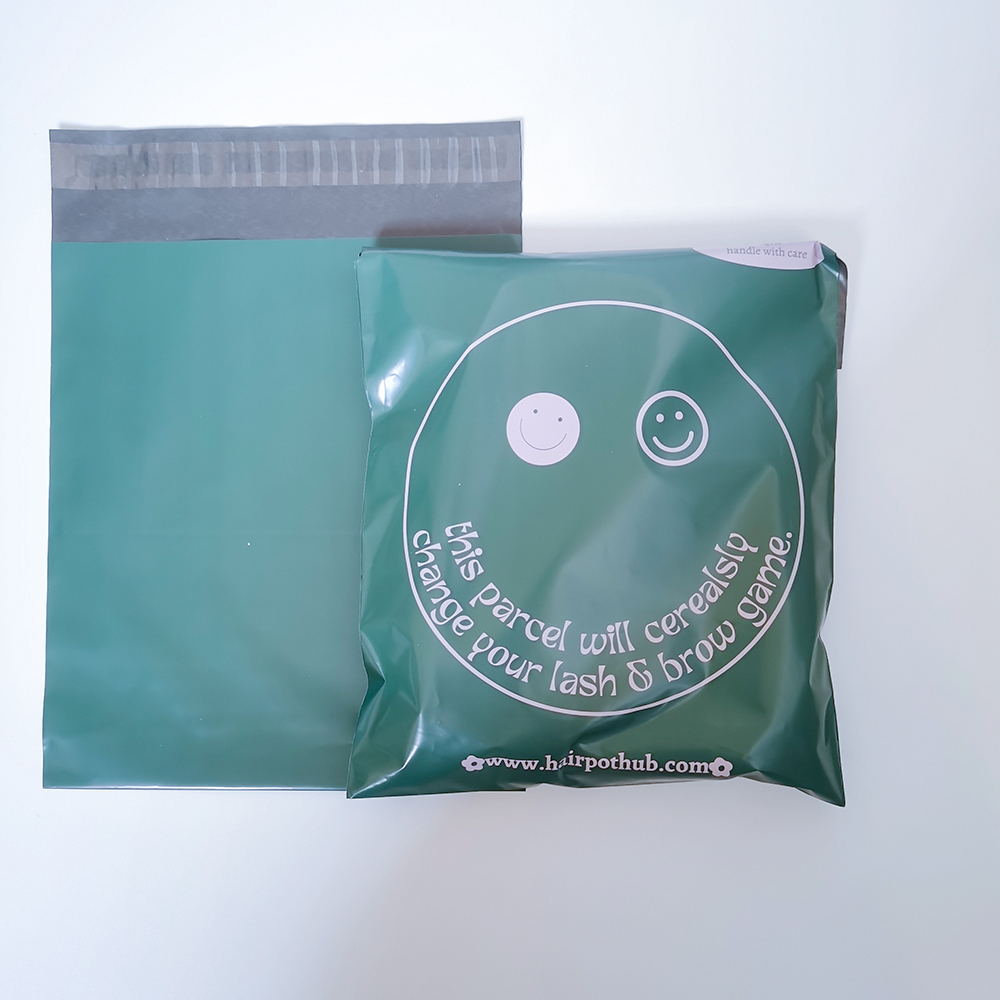
Brands regularly make these missteps: overemphasizing color and undermining protection, or over-engineering protection and undermining unit economics. Another common oversight is ignoring insertion damage: a garment can get snagged during packing if the mailer’s interior is textured or if hang tags catch on seams. Also, assume nothing about closure tolerances — a cheap self-seal may fail under humidity. Finally, sustainability choices intersect with specification: compostable films can be less puncture-resistant, and recyclable films need to match available local streams. Plan for those trade-offs up front.
Quick side-by-side checklist
Use this practical checklist when comparing options:
- Material: single-layer vs. multi-layer barrier film — prioritise moisture/odor control for garments or puncture resistance for fragile items.
- Thickness (mils): 1–3 mil for lightweight apparel; 4–6+ mil or padded for fragile goods.
- Closure: standard self-seal for apparel; reinforced or tamper-evident for valuables.
- Printability: test color fidelity and adhesion on the chosen film; request proofs for brand-critical colors.
- Protective features: bubble lining, foam lamination, or paired inner boxes for high-risk items.
Common tests and a real-world anchor
Practical proofing matters. Run small-scale drop tests and seam pull tests in a local fulfillment bay — I once coordinated a series of three-pack trials at a San Francisco fulfillment center where subtle seam reinforcement reduced breakage by half. Those on-site trials are the real-world anchor that lab sheets can’t replace. Track return rates, damage claims, and customer feedback for the first 1,000 shipments; the patterns will tell you if you guessed right.
Advisory: three golden evaluation metrics
1) Protection-to-cost ratio: measure expected damage claims against added packaging cost per unit. If extra padding reduces claim rates by more than the incremental cost, it’s justified. 2) Brand fidelity score: assess how closely proofs match your intended color and finish under natural light; prioritize this for premium apparel. 3) Operational fit: validate closure speed, insertion ergonomics, and courier size limits by running timed packing trials in your actual fulfillment line.
When you need a partner who understands these trade-offs and can supply consistent stock and specs, WH Packing maps those decisions into inventory and technical guidance. Trust the work, not the labels.
Precision matters.