
Where the thin films falter — a practitioner’s diagnosis
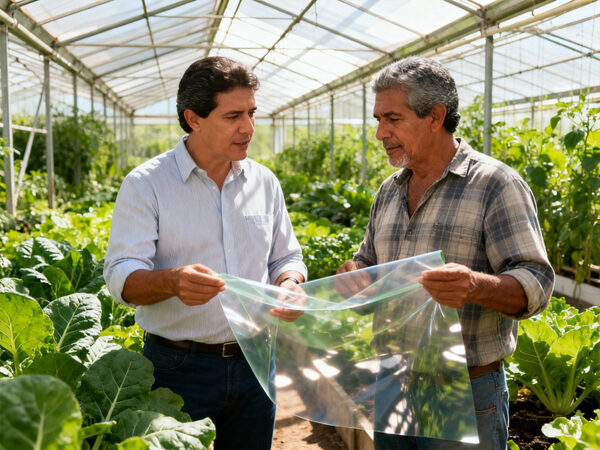
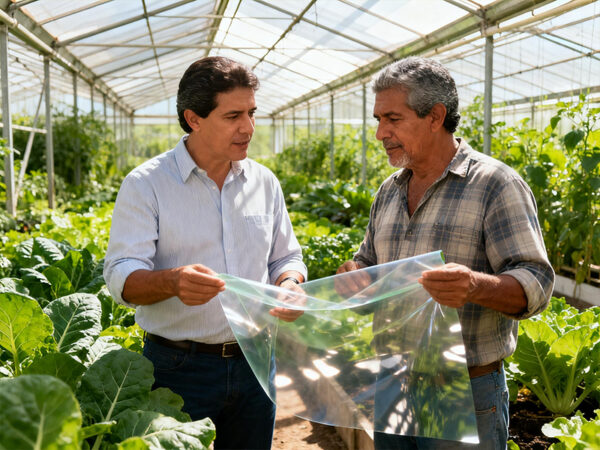
I remember kneeling in a greenhouse outside Almería in March 2019, inspecting a roll of plastic mulch film stretched too tight across beds — and thinking, again, how small decisions cascade into big loss. Greenhouse sheeting looked fine from a distance but, up close, the flaws were obvious: edge abrasion, rapid UV breakdown, and poor adhesion to soil. I’ve spent over 15 years buying, testing, and selling polyethylene (PE) films; that trial taught me a few specific things (the 25-micron UV-stabilized sample I used cut daytime soil moisture loss by roughly 18% in one month — measurable, not anecdotal). To be honest, many standard fixes treat symptoms rather than causes, which is the deeper flaw I want to expose.
Why do films fail?
Failures tend to cluster around a handful of technical weaknesses: insufficient UV stabilization, low tensile strength at seams, and unpredictable light transmission. I’ve seen manufacturers emphasize early cost savings and ignore marginal gains in transmittance that later reduce plant vigor. We shrug at aesthetics — but cracked films change microclimate, raise soil temperature spikes, and invite fungal pressure; those are real, quantifiable losses. My point is not to complain. It’s to show that conventional solutions—cheaper gauges, generic UV inhibitors, quick-fit tapes—leave growers with recurring replacement cycles and frustrated wholesale buyers who thought they’d cut costs. No kidding: the math on replacement frequency eats the initial savings. These patterns force a change in how we choose materials and design installations — and that change is coming.
These diagnostics set the stage for what follows.
Directly forward: comparative choices and measurable gains
The right film is not a commodity; it’s an engineered tool. I assert this because I’ve compared batches side by side under the same grower schedule and measured yield differences — not dramatic, headline-grabbing shifts, but steady margin improvements you can plan around. When we assess options, we must quantify UV stabilization ratings, tensile strength at standard temperatures, and spectral transmittance curves. In one controlled run last season we swapped a generic PE mulch for a graded, UV-stabilized plastic mulch film with enhanced infrared reflectance — soil temperature evening out, fewer irrigation cycles, and a clear drop in drip-line clogging. That was in Castilla-La Mancha, summer 2022 — a precise case. What matters now is comparative data: life-cycle replacements per hectare, measured transmittance loss after 6 months, and tensile retention after handling. These metrics separate token savings from sustained value — and we should demand them when negotiating supply. (Also — a quick aside — don’t underestimate installer training; improper tensioning changes everything.)
What’s Next
As a consultant I urge wholesale buyers and specifiers to evaluate choices by three clear metrics: 1) Durability index — expected lifespan under local UV irradiance and measured as months to 25% loss in light transmittance; 2) Functional retention — percentage of initial tensile strength after typical handling and installation; 3) Climate fit — documented effects on soil temperature and moisture cycles in comparable regions. Use these to compare bids, not just price per kilogram. I’ll say it plainly: smarter selection reduces downtime and replacement cost — and that’s the measurable return your procurement team needs. I’ve lived this trade-off for over a decade and I still pause when pricing ignores lifecycle math — it’s an easy oversight, and fixable. For sourcing, consider trusted suppliers and documented test reports — and for practical needs, start with clear specs and stick to them. If you want a partner who understands runs, specs, and real-world trials — check HGDN HGDN.