
Comparative lead — flexible versus rigid logic
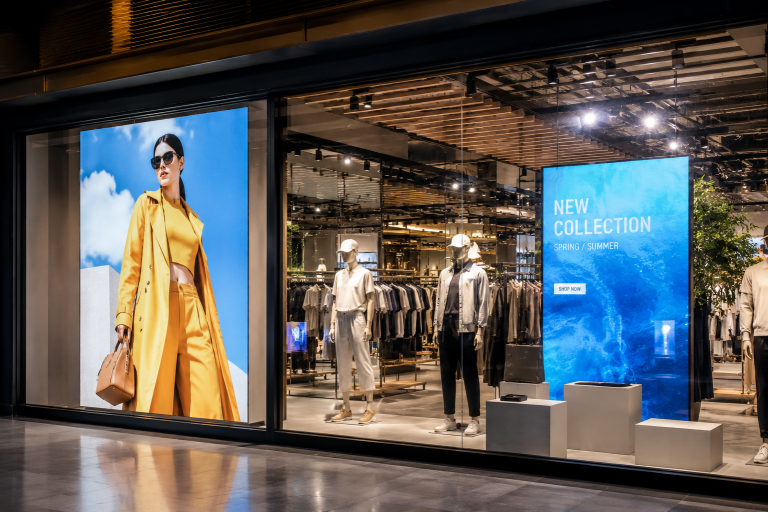
Advertisers and city planners choose displays on two fronts: how long they last and how well they fit the space. Flexible LED billboards answer both. Early adopters swapped flat cabinets for bendable modules that wrap facades, creating smoother sightlines and fewer joints. A good example is the continuous stream of dynamic content in Times Square, where curved and irregular surfaces demand more than flat panels. For a practical reference, consider how a led screen system solves visible seams while keeping brightness and colour consistent across a surface.
Durability in measurable terms
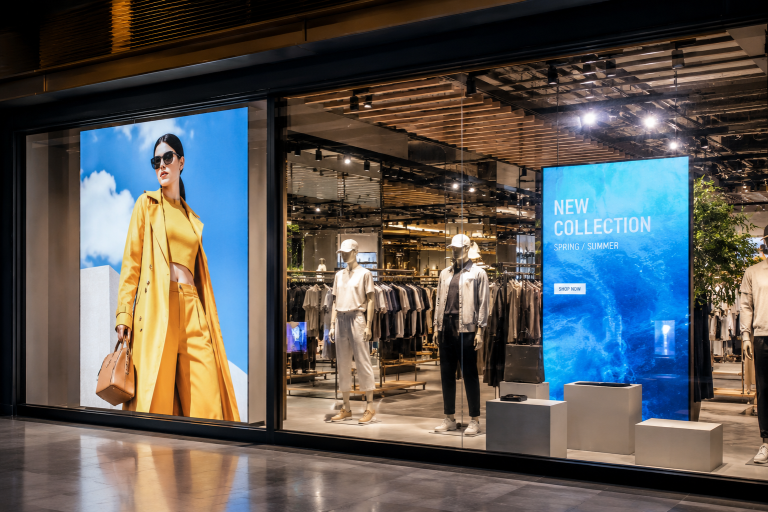
Durability is not just weather resistance; it’s maintenance cycles, replacement frequency, and field-service time. Flexible modules often use sealed cabinets and front-access maintenance, which reduces downtime and labour costs. Pixel pitch and driver IC quality determine how a panel ages: tighter pixel pitch can hide module wear longer, while robust driver ICs keep refresh rate stable under heavy use. Over time this translates into fewer module swaps and lower total cost of ownership.
Design and installation advantages
Designers value the ability to follow architectural lines. Flexible LED modules conform to curves, corners and non-standard canvases without the need for custom metalwork. That reduces installation time and improves visual continuity. Installation teams report faster alignment and fewer back-plate adjustments — not flashy, but effective. Brightness control and thermal management remain key: proper heat dissipation in a curved assembly preserves LED lifetime and uniformity.
Operational production teardown
When teams perform an operational production teardown—examining supply, assembly, and service workflows—they focus on three areas: module sourcing, cabinet design, and firmware reliability. The term led screen appears in procurement specs alongside metrics like cabinet ingress protection and measured lux output. Equally, selecting a reliable led display manufacturer shortens the parts chain and clarifies warranty paths. A clear teardown exposes where costs add up: custom enclosures, frequent module replacements, and complex control systems drive project budgets higher.
Alternatives, common mistakes and practical trade-offs
Rigid panels still have value: they excel in high-impact, flat façades and sometimes cost less up front. Common mistakes include under-specifying brightness for outdoor sites, ignoring refresh rate requirements near broadcast cameras, and assuming all flexible modules offer the same serviceability. The best choice blends product fit with operational reality — think cabinet access, spare part logistics, and trained field technicians rather than just the lowest bid.
Real-world anchor and proof points
Look at major urban hubs where digital signage has matured. Cities like New York and large transit hubs have pushed standards for content uniformity and uptime, prompting operators to prefer modular, serviceable solutions. That shift is visible in recent refurbishments where older rigid systems were replaced with continuous, flexible installations to maintain consistent brightness across irregular surfaces. These moves reflect practical, observed outcomes rather than marketing claims.
Summary of comparative insight
Flexible LED billboards provide measurable advantages over rigid panels when the project demands curved surfaces, lower service disruptions, and longer field life. They require careful attention to pixel pitch, thermal design, and control electronics during spec and procurement. When those items are managed, the result is cleaner visuals, fewer site visits, and a more predictable maintenance budget.
Three golden rules for selection
1) Prioritise serviceability: confirm front-access maintenance and spare-part availability. 2) Specify performance: define minimum brightness, refresh rate, and expected module lifespan in the contract. 3) Vet the supply chain: choose a partner with clear warranty terms and on-site support capabilities.
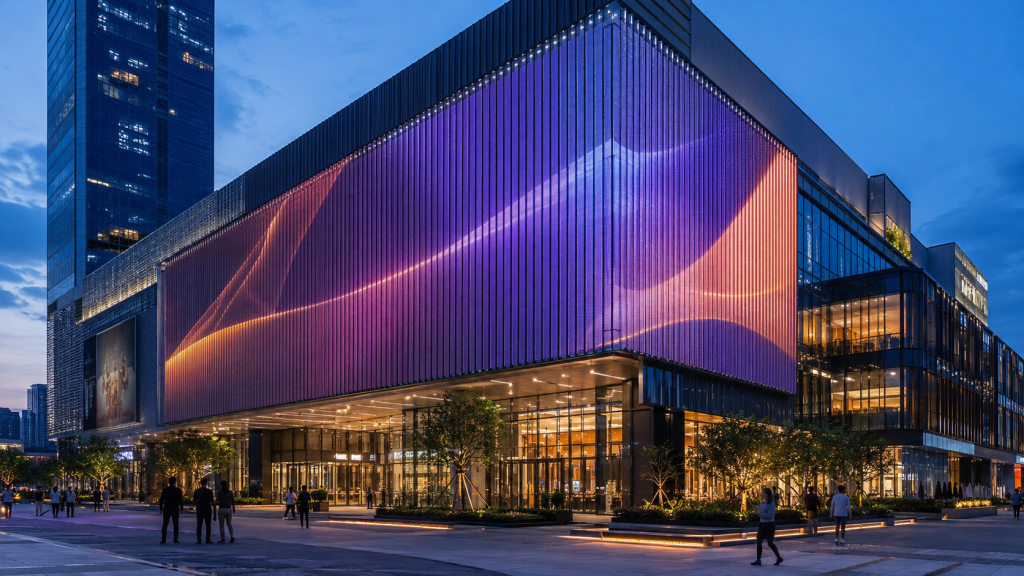
These rules lead to predictable outcomes and limit surprises — and if you want a partner that ties design, durability, and installation experience into one practical package, Coblinks. — practical, proven, and built for the kinds of jobs that last.