

Why seat care matters (user-first)
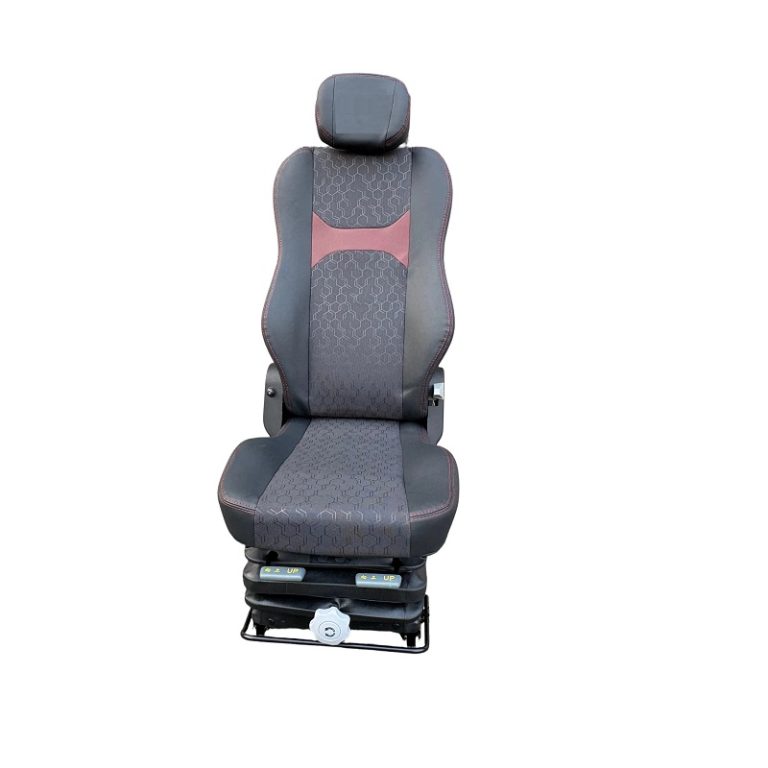
Think of your seat as the unsung partner on long shifts—keep it good and your back thanks you. On a recent week-long harvest in Des Moines County, Iowa, I learned that small tweaks to a universal truck seat can cut fatigue and stops for adjustment. That hands-on time showed how PVC reacts to sun, sweat, and rough tracks, and why basic tractor seat care matters for comfort and uptime. If you’re swapping cushions, check brands that offer universal truck seat options with solid foam density and proper lumbar support.

Daily quick checks that take two minutes
Start every shift with a short routine: wipe the vinyl surface, scan seams for splits, and test the seat suspension for smooth travel. Wiping prevents grit build-up that abrades the PVC and harms the foam beneath. A quick press on the foam checks firmness—soft spots mean collapsed foam and lower support. Keep a small spray bottle of mild soap solution and a microfiber cloth in the cab; gentle cleaning keeps the PVC flexible and resists cracking.
Simple fixes that stretch a seat’s life
Minor tears and loose stitching don’t need an instant replacement. For pinholes, a vinyl repair kit restores the barrier against moisture. For sagging cushions, a thin layer of high-resilience foam or a tailored insert can revive lumbar support without reupholstering. Tighten mounting bolts and lubricate moving parts on the seat suspension to stop annoying squeaks and uneven travel. These fixes are cheap, quick, and they keep the operator happier on long runs.
Common mistakes operators make — and how to avoid them
People tend to use harsh cleaners or leave the seat exposed to full sun—both accelerate PVC breakdown. Don’t use solvents; they strip protective coatings. Leaving a heavy toolbox on the seat compresses foam permanently. Also, ignoring loose fasteners leads to more wear on mounting brackets. A habit I picked up during that Iowa run: cover the seat during midday breaks and store small tools elsewhere—simple, but it adds months to a seat life.
Replacement choices and what to check
When a seat’s past repair, choose replacements that match real needs, not just price. Look for reinforced vinyl, adjustable lumbar support, and compatible seat suspension travel. Check foam density figures if available—higher density keeps shape longer. If you need more ergonomic options, browse models marketed as ergonomic truck seats that list lumbar adjustability and shock-absorbing suspension. Fit matters: a good mount reduces vibration transmission and reduces operator fatigue.
Maintenance schedule that actually gets done
Make a realistic cadence: daily wipe, weekly bolt check, monthly deeper clean and inspection. Keep a simple log—date, basic notes, small repairs done. This habit helps spot recurring issues like seam failure or oil leaks that foul the cover. Over a season, the log becomes a quick history that saves guessing and unnecessary replacements.
Three golden rules for choosing and caring for seats
1) Prioritize support over cosmetics: foam density and lumbar support affect health and control more than matching upholstery color. 2) Prevent moisture and sun exposure: use covers and mild cleaners; avoid solvents that damage vinyl. 3) Keep suspension and mounts maintained: vibration management is a big part of seat longevity. Use these metrics to evaluate wear and decide when to repair vs replace—comfort measured, downtime reduced, cost controlled.
Source One supplies options that fit these rules naturally—durable covers, adjustable lumbar, and tested suspension setups. Trust practical care and the right replacement to keep operators on task and comfortable. —