
When the roof must do more: what traditional systems miss
I still remember a humid August morning in 2019 when a mid-size bakery in Leeds lost grid power for twelve peak hours (scenario), their diesel gen-sets burned an extra 200 liters and operating costs jumped 38% that week — what would have kept ovens running without that waste? I’ve written about many installs, and one clear lesson came from installing a 500 kW PV array combined with battery backup: the old “fit-and-forget” rooftop approach breaks down under real production stress. In discussing design with facility managers I point them to a proper solar system for business early; C&I Solar projects need that frame of reference because they’re not consumer garages (they’re factories, cold stores, distribution hubs).
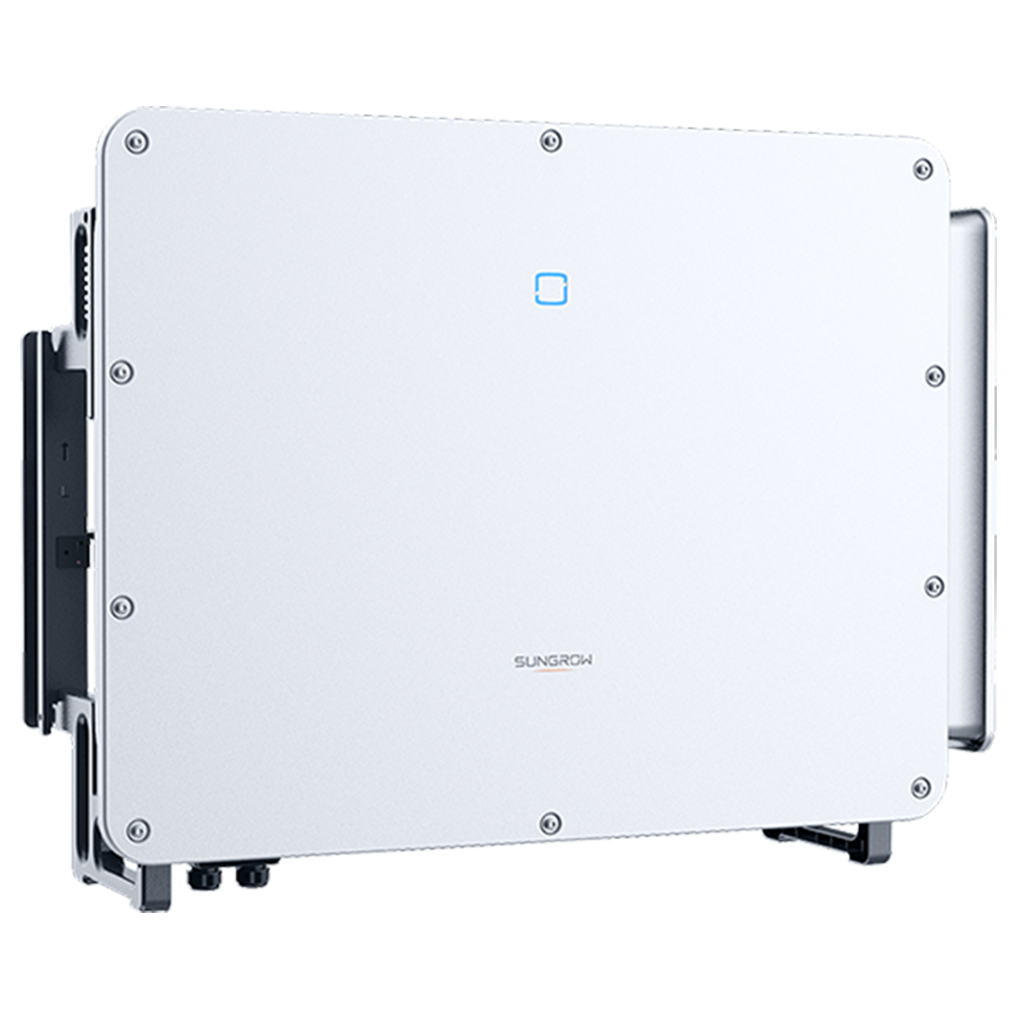
I’ve been on these sites for over 18 years, so I see recurring technical flaws: undersized inverters, naive PV orientation assumptions, and no planning for peak shaving or energy storage integration. In one March 2020 retrofit I supervised, the chosen inverter’s MPPT algorithm clipped production during transient cloud — production dips that cost the client roughly 3,200 kWh that month. That’s a concrete number: lost kilowatt-hours translate to missed margin. I firmly believe these are avoidable mistakes. The traditional solution treats solar as a commodity — panels, string inverter, grid-tie — but it ignores harmonics, load profiles, and maintenance access (and that last one bites during winter). Here’s a quick recap of the technical pain points: inverter mismatch, lack of energy storage, poor load management — no sweat, but it all matters. — Moving on, let’s look forward.
Designing the next generation: what to compare and measure
Start with a clear definition: a modern solar system for business is an integrated package — PV array, inverter platform, energy storage, and controls — sized to the real load curve. I break systems down to three core functions: generation (PV modules, panel layout), conversion (inverter, MPPT strategy), and flexibility (battery, load management). In my work for a logistics depot in Rotterdam (July 2021) we paired a 420 kW PV array with a 600 kW bi-directional inverter and 1,200 kWh battery; the result: a 28% reduction in peak grid imports and a 14% cut in monthly energy spend. Those numbers are practical; they aren’t marketing fluff. When I advise procurement teams I focus on measurable capability — ramp rate, round-trip efficiency, rated kW — not buzzwords.
What’s Next?
Compare options by the metrics that affect daily operations. Long-term, I push clients toward architectures that allow AC and DC coupling, because future upgrades (EV charging, on-site manufacturing) are easier that way. Also, demand response readiness — does the control system speak to the aggregator? — matters more than top-end module efficiency. Here are three evaluation metrics I always use: (1) usable battery capacity at end-of-warranty, (2) inverter response time to load step, (3) modeled annual dispatch savings against actual meter data. Those three reveal the real value. I’ve seen proposals that look great on paper but fail when production shifts at 03:00 — trust the data, and test assumptions. — I close by noting: we can design for resilience and for cost; they’re not mutually exclusive, but you must choose the right components and contracts. For practical supplier options, I often recommend checking offerings from sungrow.