
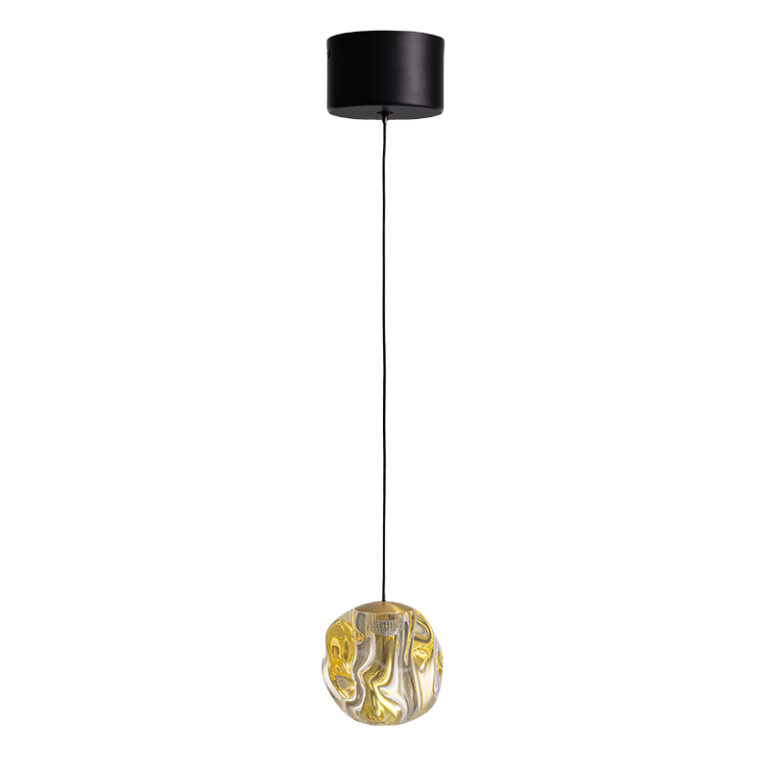
Set the Scene: City Spaces, Clear Choices
Lighting makes or breaks a room, period. In this city, your pendant light company either elevates the vibe or leaves it flat, like week-old seltzer. Picture the scene: a tight studio trying to feel bigger, or a café that wants to glow, not glare. Data backs it up—first impressions shift fast when the lumen output hits right, and lighting can pull 30% of a small business’s energy use. So here’s the punchline: are you picking fixtures for the style, or partners who know wiring, safety, and those power converters tucked in the canopy? You want light that lands soft on faces, clean on tables, and true on color. You want a brand that solves, not sells. Because when a lobby hums or a kitchen pops, nobody asks why—it just works (New Yorkers clock it without looking). Which begs the question: what matters more, catalog looks or real performance when the switch flips? Let’s break this down and keep it street-smart—no fluff, just the facts you need—to get from pretty pictures to reliable glow. Next up, the hidden snags no one puts on the spec sheet.
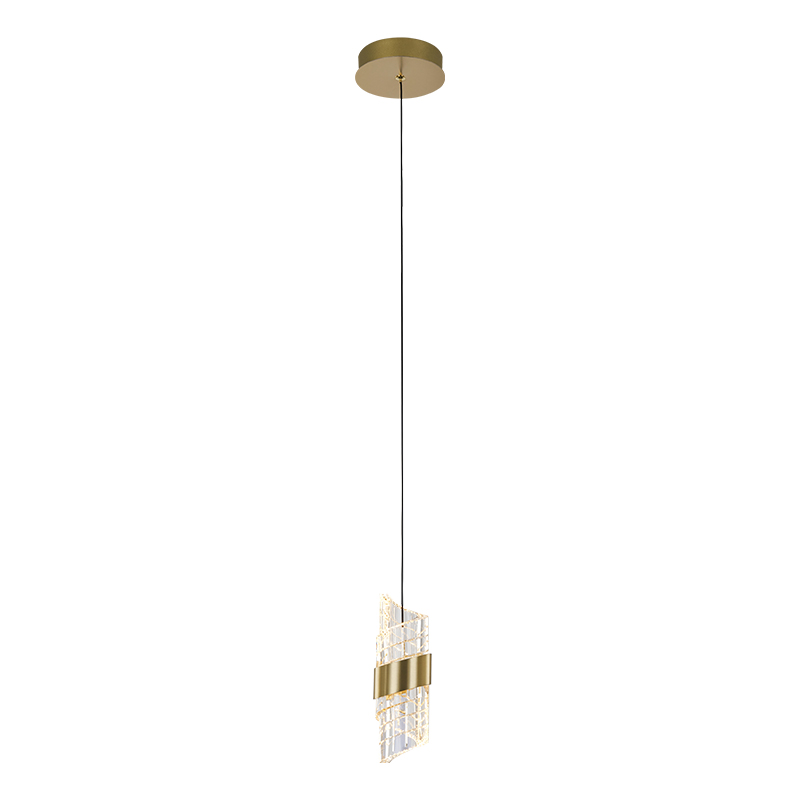
Under the Shade: The Pain Points No One Mentions
Why do pretty fixtures still fail?
Start with the basics. A decorative pendant light is more than a shell and a bulb. It’s optics, drivers, and heat flow working together. When the CRI is low, food looks dull and skin tones go gray. Too narrow a beam angle, and you get hot spots on the counter with shadows everywhere else. Poor thermal management? Now your LEDs run hot and fade fast. Look, it’s simpler than you think: bad parts and sloppy design create flicker, color shift, and early failure. Pretty shade, ugly performance—funny how that works, right?
Then come the quiet killers. Cheap drivers with weak tolerances cause micro-flicker that tires eyes over time. Mismatch the dimmer, and your dimming curve stutters near the bottom. A heavy canopy without proper anchors? That’s a long-term safety issue, not a vibe. Even the diffuser matters: the wrong material yellows fast under heat. Customers think style, but the pain sits in specs—wattage-to-lumen efficiency, consistent CCT, and stable connectors that don’t loosen when a ceiling flexes. Fix the root, not the symptom, and the fixture stops being a question mark every time you hit the switch.
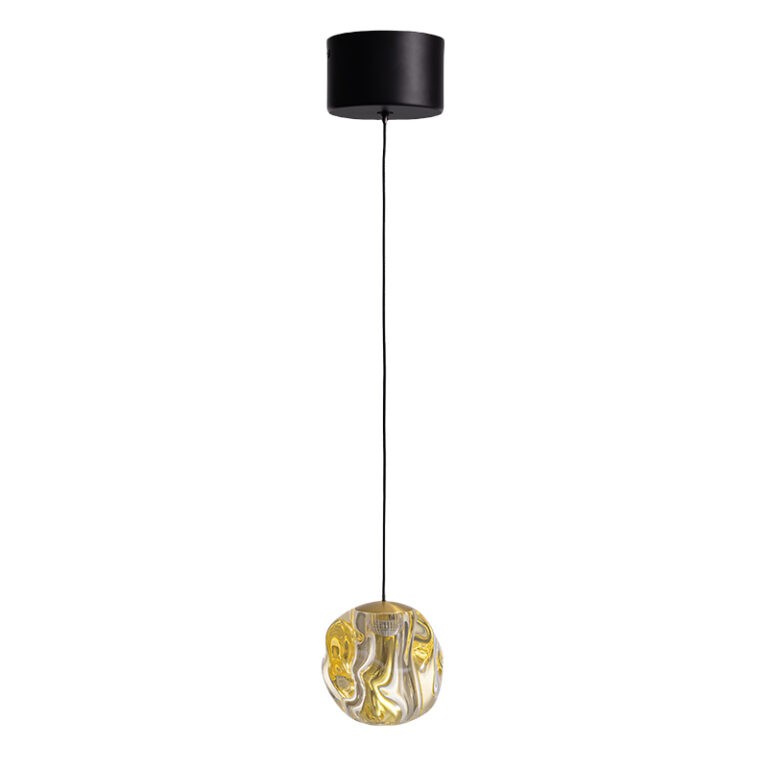
Looking Ahead: Smarter Picks and Real-World Gains
What’s Next
New tech is cleaning up the mess. Think constant-current drivers that smooth out low-end dimming, improved optics that spread light evenly, and better heat sinks that keep LEDs in the comfort zone. When you stack these against yesterday’s quick-fix kits, the difference shows in uptime, not just looks. Pair that with solid wiring harnesses and you cut install time in half—contractors love that. And when you spec interior pendant lights with tight color tolerance, your space reads coherent across the room. No weird blips from fixture to fixture. Less guesswork, more glow—no drama.
So how do you choose with a clear head? Three quick metrics matter. One: performance integrity—ask for verified CRI and lumen maintenance at 6,000 hours, plus a stable dimming curve down to 1%. Two: build quality—check driver brand, thermal path materials, and an IP rating that matches your environment (bar, kitchen, lobby). Three: serviceability—field-replaceable drivers and clear labeling inside the canopy. Compare those side by side, and you’ll see which vendor stands up when the ceiling height changes or the finish needs to match the millwork—fast. That’s the real city test. You want light that keeps pace and keeps quiet. The rest is just noise—and we’ve got enough of that already. Learn the specs, trust the process, and pick partners who show their work. For steady results, keep your eyes on the details and your ceiling game tight with kinglong.