
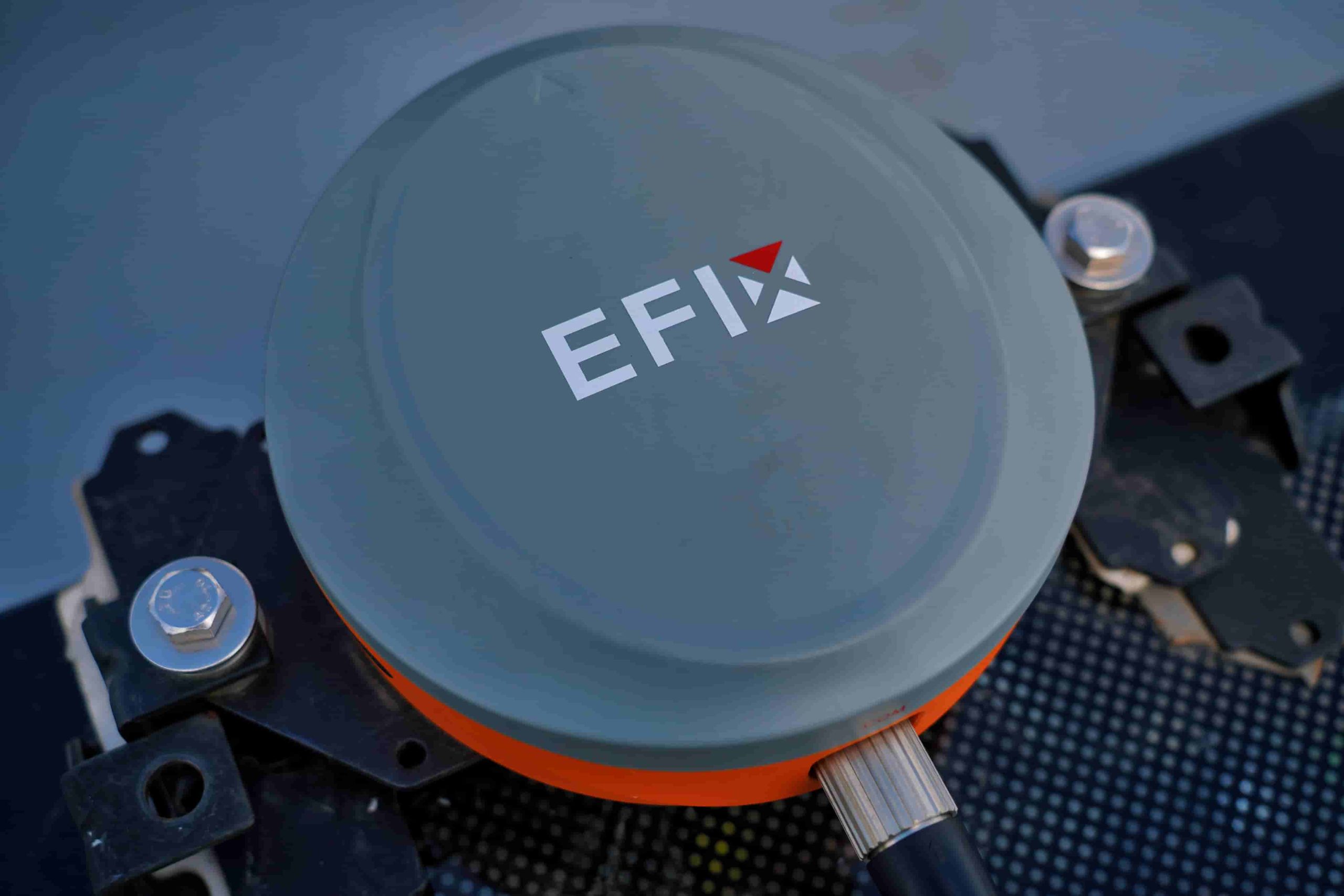
An Agricultural Dilemma
Picture a sprawling field at dawn, the mist hanging delicately over the earth, and a farmer, hands on the wheel, squinting against the rising sun. It’s a scene that echoes through generations, but it’s also the stage for a pressing question: How do I enhance productivity and yield with the ever-increasing pressures of market demands? According to recent studies, those employing modern tech—including autosteer for tractors—see up to a 25% boost in efficiency. Yet, do we fully grasp the hidden pain points of implementing such innovations? The shift from classic methods to technology is like trading a familiar scarf for an avant-garde shawl—exciting yet daunting.
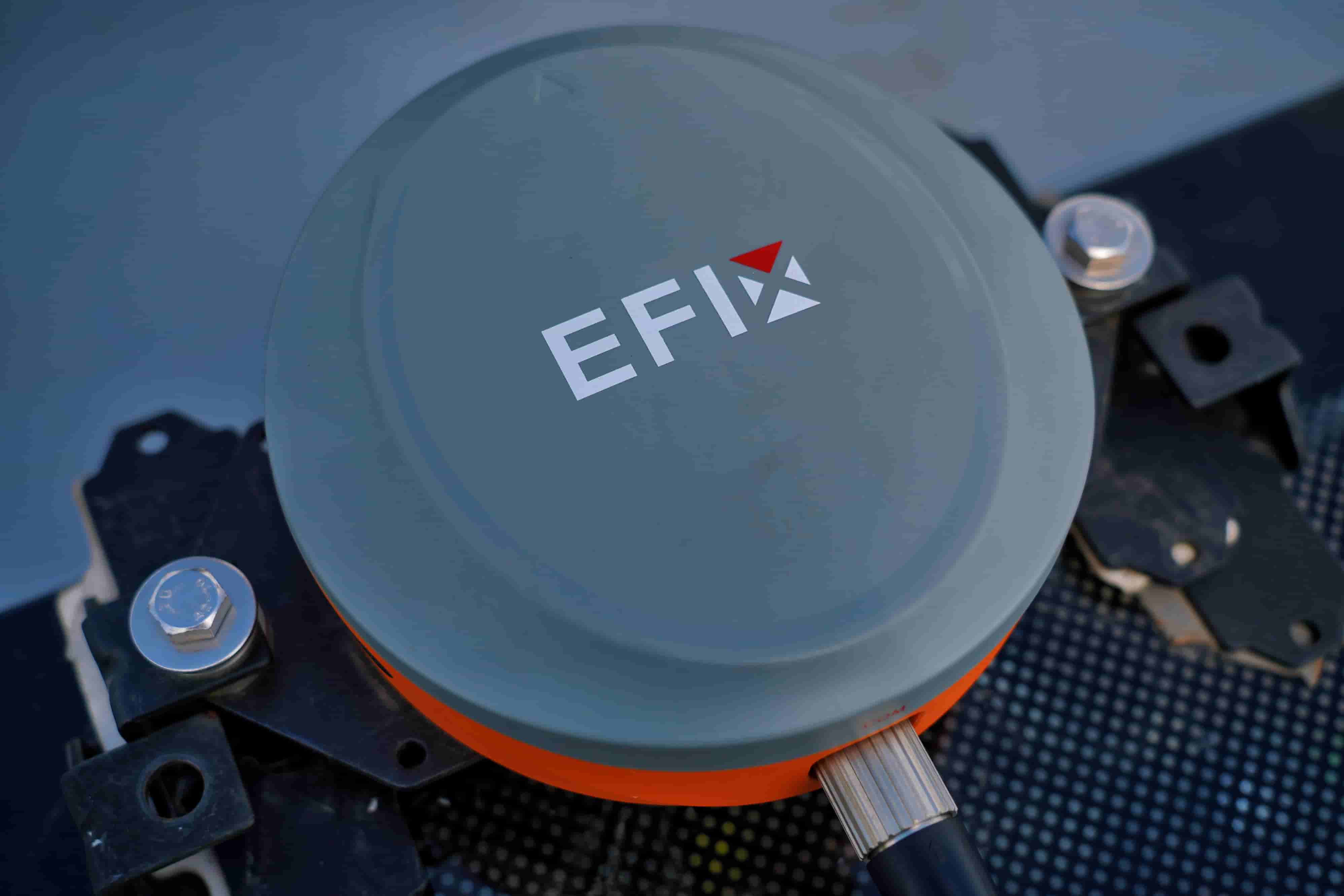
Understanding Autosteer: A Deeper Dive
Let’s strip it down, shall we? Autosteer for tractors allows vehicles to guide themselves, relying on GPS and sensor technology. It’s poetry in motion, an intricate dance of machinery and precision. However, not everything is as seamless as it sounds. Many farmers struggle with the initial learning curve and the idea that “modern means automatic.” Mistakes made early in implementation can lead to misalignments and wasted resources—an all-too-common frustration. I remember a client in Iowa who faced a season of misconfigured settings, resulting in tragic crop loss. Their experience taught me that thorough training is as crucial as the technology itself.
So, What’s the Hidden Cost?
It’s rarely just about the gadgetry. There’s a psychological barrier—change can be intimidating. Transitioning to an autosteer system is not just about acquiring a tool; it’s about altering how an operator thinks and works. Farmers must grapple with mistrust in technology, fearing it may underperform or complicate matters more than improve them. This often leads to a reluctance to adopt advancements that could ultimately benefit them.
Looking Ahead: Adapting Traditions with Technology
Fast forward to the landscape of farming today, where the integration of autosteer for tractors has become a beacon of innovation. The implications of this technology extend beyond efficiency into realms of sustainability and resource management. Imagine using less fuel and fewer inputs while maximizing yield—a farmer’s dream, right? I envision a future where such systems not only enhance productivity but also contribute to preserving our environment, a balance that seems almost poetic.
Real-world Impact
During my years in the industry, I’ve seen farms of all sizes harness these tools effectively. One local farmer switched to autosteer last season and reported a remarkable reduction in operational costs alongside a 30% increase in crop accuracy! It’s exhilarating to witness such transformations, and it reminds me that the heart of agriculture beats strongest at the intersection of tradition and innovation.
Bringing this technology into the fold requires not only a financial investment but a mental shift. Farmers must embrace educated risk-taking. Engaging with user-friendly platforms and seeking advice from those who’ve trodden this path can illuminate the way forward. A little fear is natural, but it shouldn’t hold you back—it shouldn’t stop you from evolving.
Lessons Learned and Final Thoughts
In summarizing the journey to incorporate autosteer systems, a few truths stand out. First, you need to weigh the learning curve against the potential return on investment. Second, continuous support and education are invaluable to ensure smooth transitions. Lastly, remember that technology doesn’t replace the human element; it enhances it, positioning operators for success in a rapidly evolving landscape.
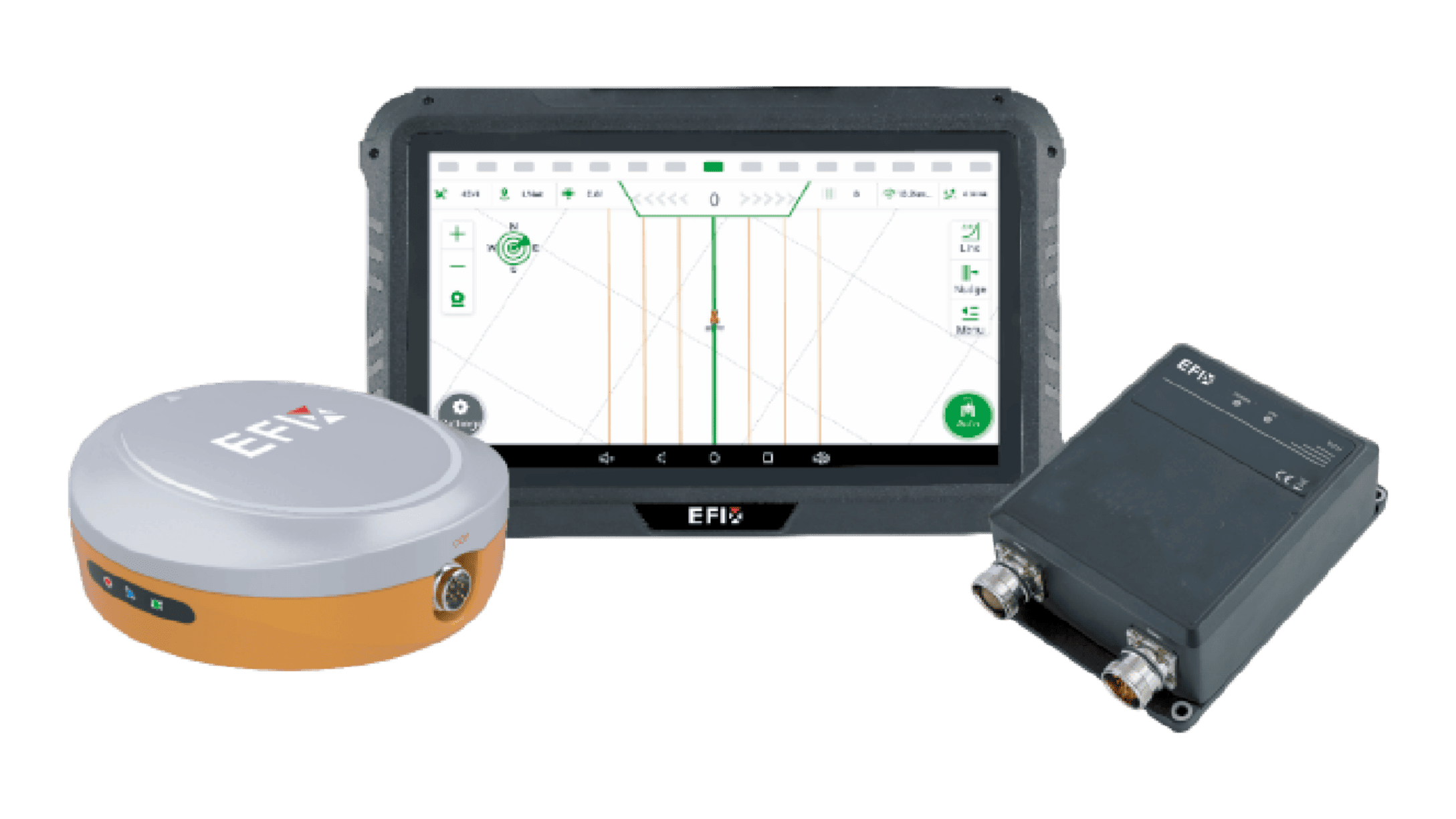
As I wrap this up, I’m reminded of a farmer newly empowered by these advancements. They used to toil endlessly over straight rows and precise turns. Now, with proper integration of systems like EFIX, they operate with optimism, threads of past experiences woven into a tapestry of modernization. It’s a transition I am proud to witness, as through technology, the spirit of farming remains beautifully unbroken.